Articles

Targeting the Pillars of State: United States-Israel's Strikes on Iranian Police Stations, Border Guards, and the Tehran Bazaar

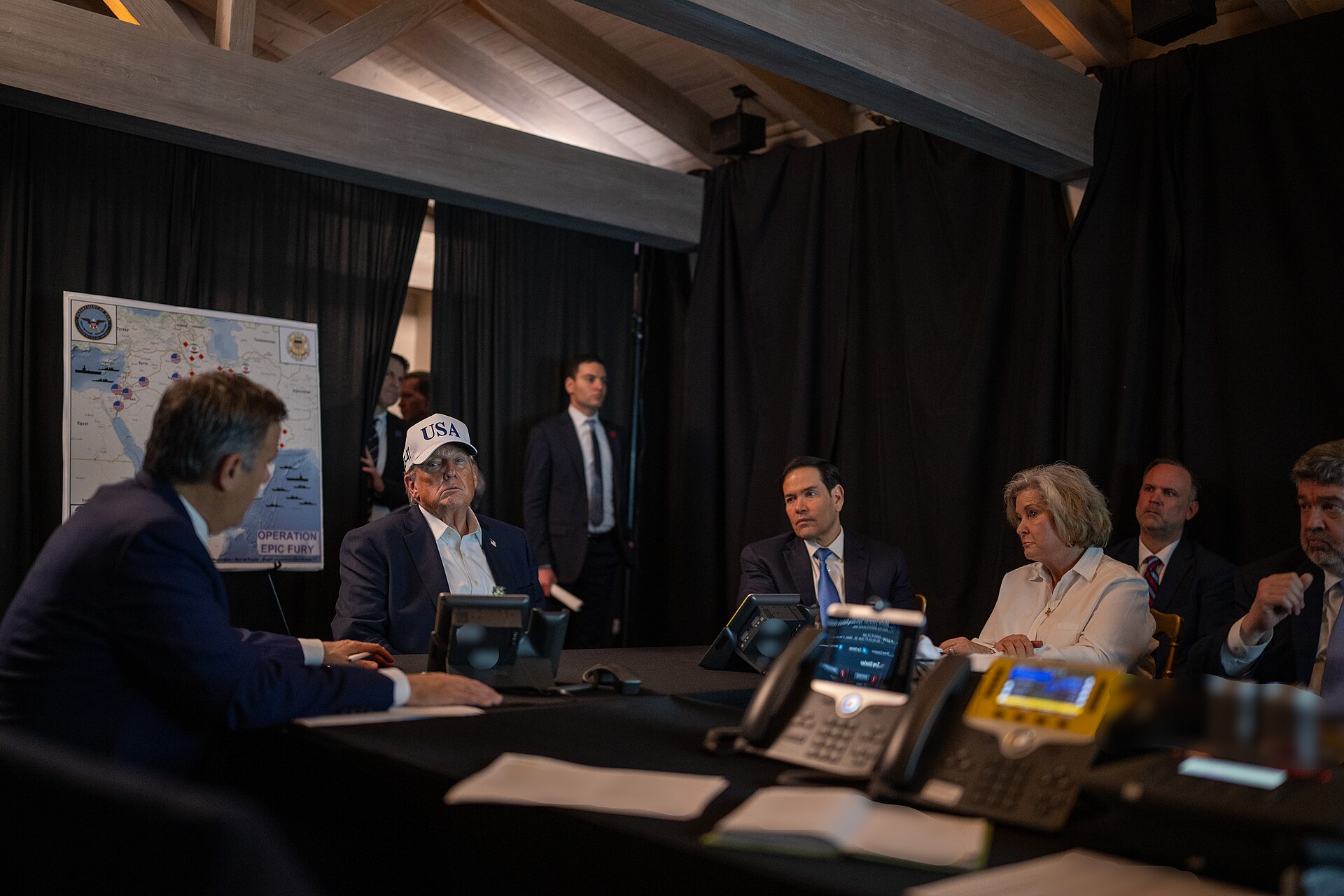
EISMENA’s correspondent in Iran - The military operations conducted by Israel against Iran beginning on February 28, 2026 departed in significant ways from the targeting logic of previous strikes. Rather than confining itself to nuclear facilities and missile infrastructure, Israel systematically attacked the coercive apparatus of the Iranian state police stations, border guard posts, and the commercial heartland of the Tehran Bazaar. This article argues that these strikes were not collateral errors but constituted a coherent three-dimensional strategy aimed at dismantling the regime’s capacity for internal suppression, fracturing its territorial sovereignty along ethno-national lines, and severing the economic networks that have historically sustained clerical authority. Drawing on Robert Kaplan’s framework of civilizational realism and his concept of geography as a determinant of political behavior, the analysis further contends that this strategy, however tactically sophisticated, misreads the deep structure of Iranian political culture and risks generating precisely the nationalist consolidation it seeks to prevent.


Roxana Niknami

4th March 2026

CFRI Analysis

The Aorta of the World Economy: The 2026 Strait of Hormuz Crisis

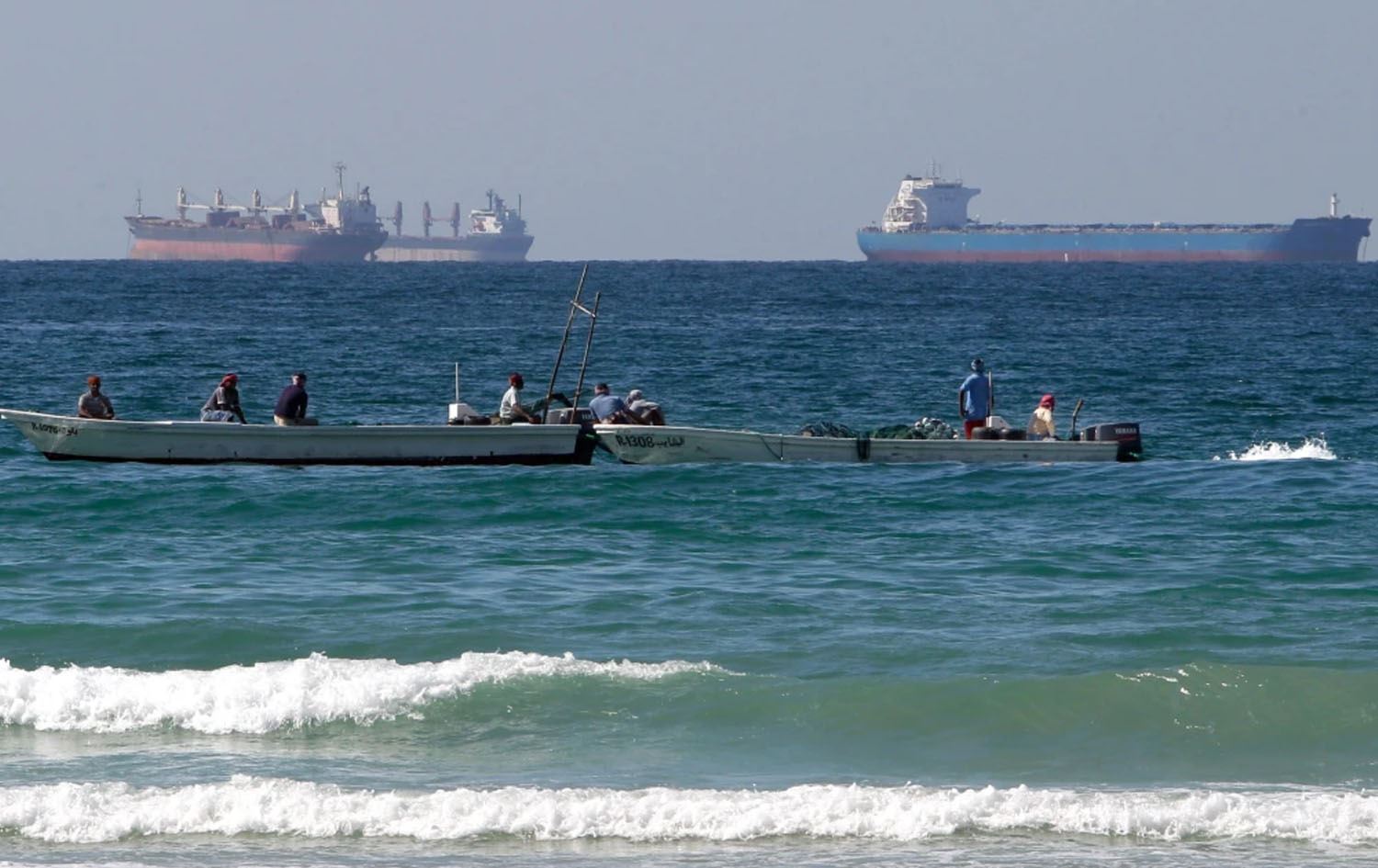
Article from our correspondent in Iran - The effective closure of the Strait of Hormuz following Operation Epic Fury on February 28, 2026 constitutes the most consequential disruption to the global energy order since the 1973 Arab oil embargo. This article examines the crisis through five interlocking analytical lenses: the historical parallel with the 1980s Tanker War and its divergences from the current conflict; a systematic assessment of Iran’s strategic strengths and vulnerabilities in the maritime domain; a parallel assessment of American strategic capabilities and constraints; the macroeconomic consequences of the closure for the global economy; and the geopolitical implications for the balance of power under Robert Gilpin’s framework of hegemonic stability theory. The central argument is that the Hormuz closure represents not merely a tactical military development but a structural stress test of the post-1945 liberal economic order one whose resolution will determine whether American hegemonic leadership can be restored after an unprecedented self-inflicted wound, or whether the crisis accelerates the power transition to a multipolar world that Gilpin’s theory predicts.


Roxana Niknami

5th March 2026

News

Î