
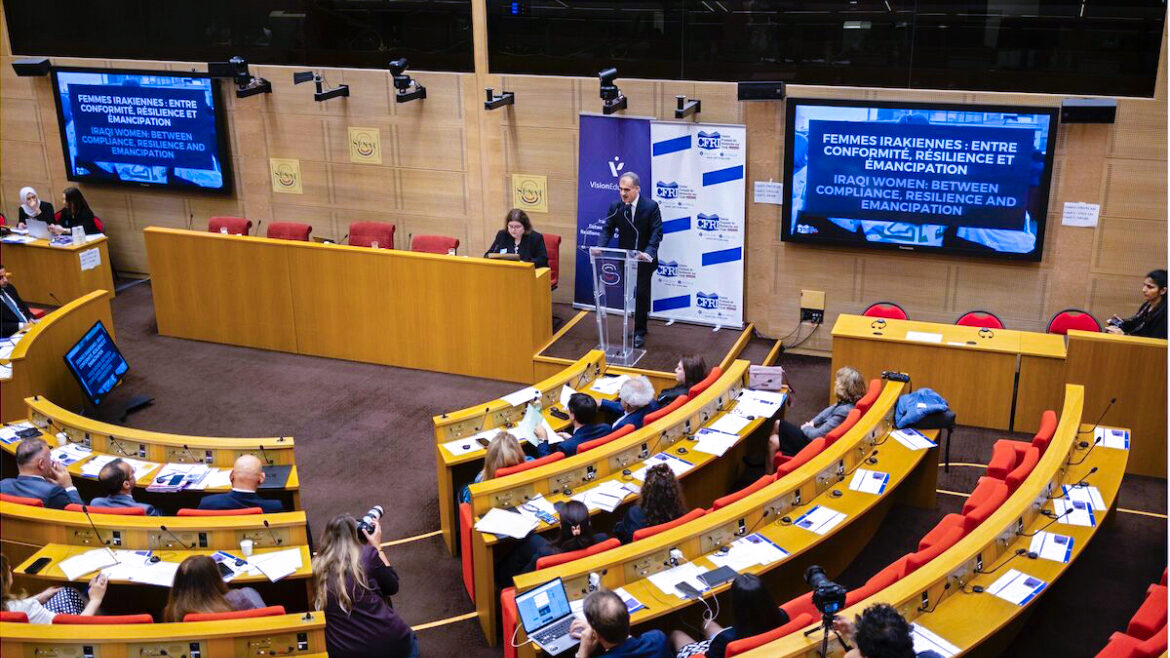
The conference is based on a report undertaken by the French Centre for Research on Iraq and funded by Vision Education that analyzed women’s conditions of life in Federal Iraq and the Kurdistan Region. It explored the multifaced challenges women in these regions are confronted with, as well as the advancements they have made in terms of empowerment, civil society engagement, and everyday living conditions post-2003. This includes evaluating legislative reforms, economic opportunities, and security measures impacting women’s lives amidst ongoing political and social transformations. The focus of the present conference is to bridge gaps and foster inclusive dialogue to enhance women’s roles and rights in both regions.
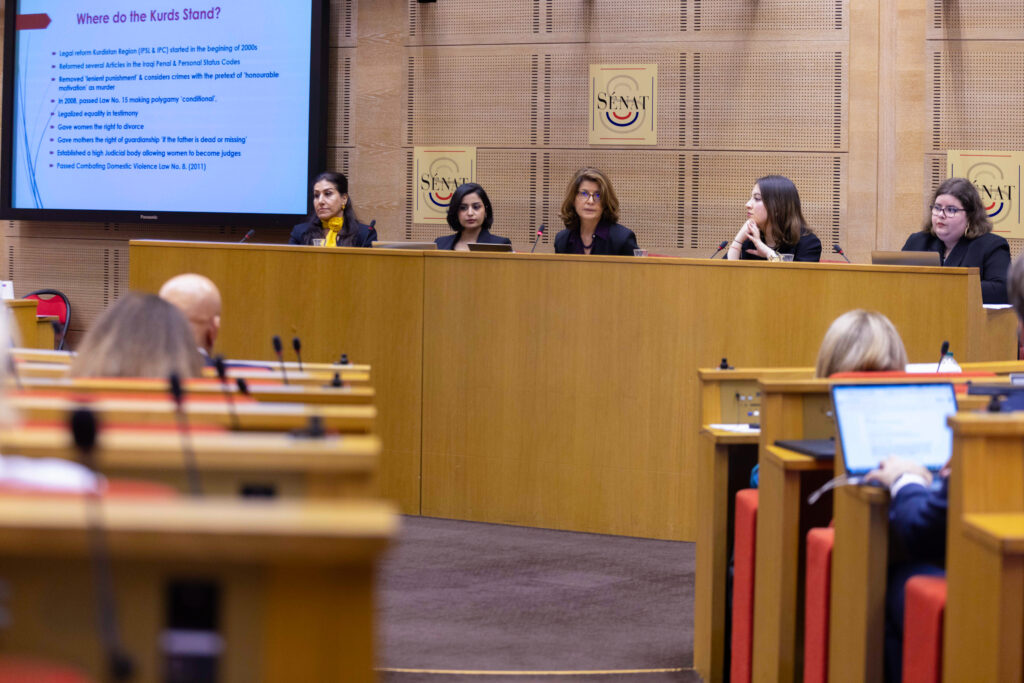
The first panel entitled « Enhancing the legal and law enforcement framework in Iraq and the Kurdistan Region », was presented by Lyna Ouandjeli, Head of the Administrative Affairs, Finances and Collaborative Projects at the CFRI. The session focused on the legal and policy systems impacting women’s rights and equality in Iraq and the Kurdistan Region, featuring the following speakers: Nahrawan Alwan Al-Janabe, Counselor, Head of the Economic and Organisations Department at the Embassy of the Republic of Iraq in France , Dr. Nazand Begikhani, Vincent Wright Visiting Professor, Sciences Po Paris and Senior Advisor to KRI President on Equality between Men and Women and Higher Education, et Hiyam Ali A. Al-Mirhij, CFRI researcher and the Al-Bayan Center for Studies, specialising in the role of women in Iraqi politics. She was the primary researcher for Southern Iraq in the project. The panel aimed to assess the effectiveness of existing laws in promoting women’s rights, political participation, and representation while identifying obstacles and challenges in law enforcement.
In her opening remarks, Nahrawan Alwan Al-Janabe provided an initial analysis of the situation in Iraq. She highlighted ongoing reform strategies adopted to strengthen human rights, aligning with Articles 14 and 16 of the Iraqi Constitution. Efforts are underway to modernise legislation on women’s rights to comply with international standards. Laws addressing domestic violence protection, social support measures such as the right to work, maternity leave, and access to official documentation for displaced women are being implemented. Raising awareness of women’s rights and providing economic support to women are also prioritised.
However, she nuanced her remarks by emphasising that further progress is needed to expand women’s influence beyond quotas, particularly through professional and economic empowerment programs. In the legal domain, collaborations with the United Nations and civil society organisations aim to protect women’s rights. Specialised centers provide psychological support to victims of violence, and reporting mechanisms are established to ensure their safety. Initiatives in education, reproductive health, and mental health for displaced women complement these efforts. Nevertheless, these measures require increased support from the government and the international community to be fully effective.
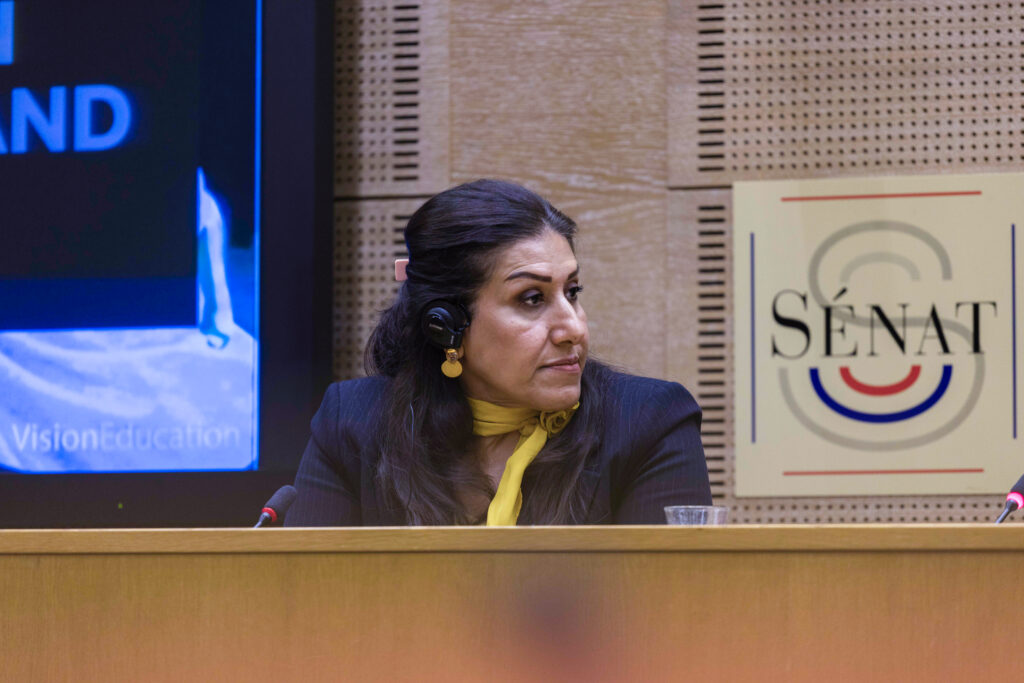
Dr. Nazand Begikhani offered her own analysis of the country’s situation, focusing on the threats posed by proposed amendments to the Personal Status Law (PSL) to the legislative achievements of the Kurdistan Regional Government (KRG). The 1959 Personal Status Law, considered one of the most progressive in the region, criminalises marriages conducted outside of courts, sets the legal marriage age at 18, ensures child custody and alimony rights, and provides better protection and equity. Additionally, following the fall of the Baath regime in 2003, Shia groups sought to repeal the law and reinstate Shia-specific laws. They succeeded in amending the law in 2005 by adding a constitutional provision, under Article 41, allowing individuals to refer to their religious beliefs to govern personal and family status. In 2013, Iraq’s Minister of Justice, Hassan Al-Shammari, introduced a bill known as the Jaafari Law, aimed at implementing Jaafari jurisprudence for Shia and Hanafi jurisprudence for Sunni Iraqis. This proposal triggered widespread protests from activists and civil society groups.
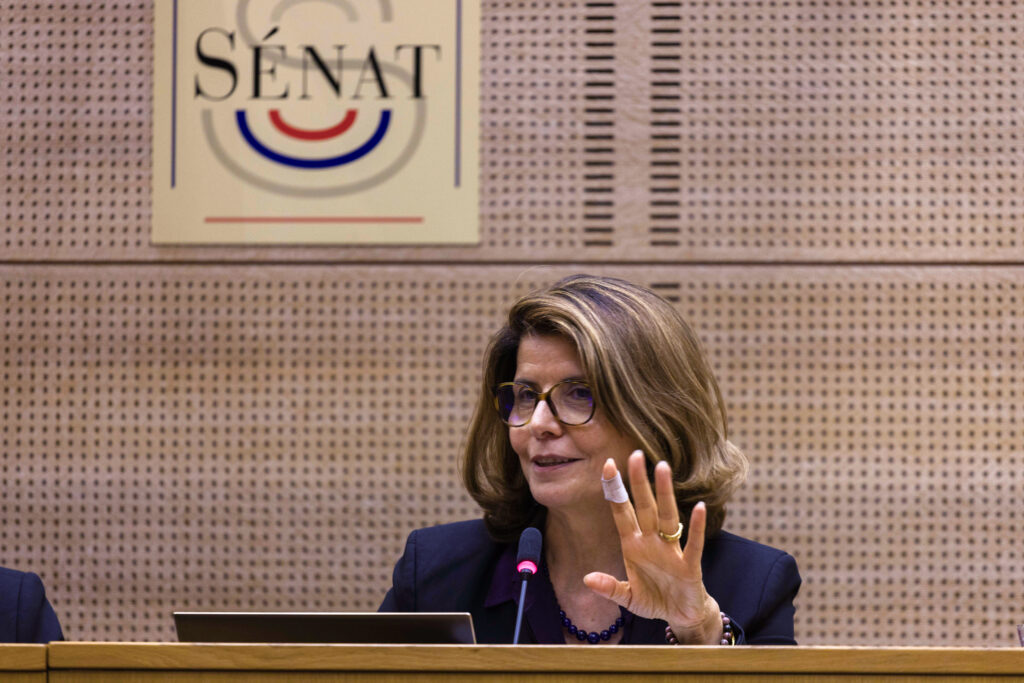
Indeed, since the 1990s and 2000s, the KRG has undertaken significant reforms to improve women’s rights and social justice, including a major one in 2008. That year, under the directive of then-Prime Minister Nechirvan Barzani, a High Commission was formed to review the Iraqi Personal Status Law, resulting in the adoption of Law No. 15. This law made polygamy conditional, granted women equal testimony rights and guardianship in cases where the father is absent or deceased, and enshrined their right to divorce within marriage contracts. However, Dr. Begikhani concluded her presentation by noting that these achievements are now under threat. The Iraqi Federal Court has ruled Law No. 15 illegal, citing its incompatibility with Sharia law. If the amendment is enforced, the KRG could be compelled to align with directives from Baghdad, jeopardising these advancements.
Finally, Hiyam Ali highlighted that these amendments, supported by groups favoring governance based on religious law, risk exacerbating sectarian divisions, curtailing the civil rights of women and children, and undermining the balance between civil and religious authority in Iraq. Despite opposition from the Kurdistan Regional Government and women’s rights activists, tensions persist between progressive and conservative forces. In the wake of Iraq’s political transformations post-2003, the Constitution marked a step forward by guaranteeing women’s right to vote, political expression, and participation in political parties. However, their influence in decision-making remains limited, with representation largely reliant on institutional quotas. Political parties maintain significant control over the process, hindering substantial progress toward genuine equality. Women’s participation in decision-making positions and their economic empowerment remain major challenges to achieving full gender equality in both public and private spheres.
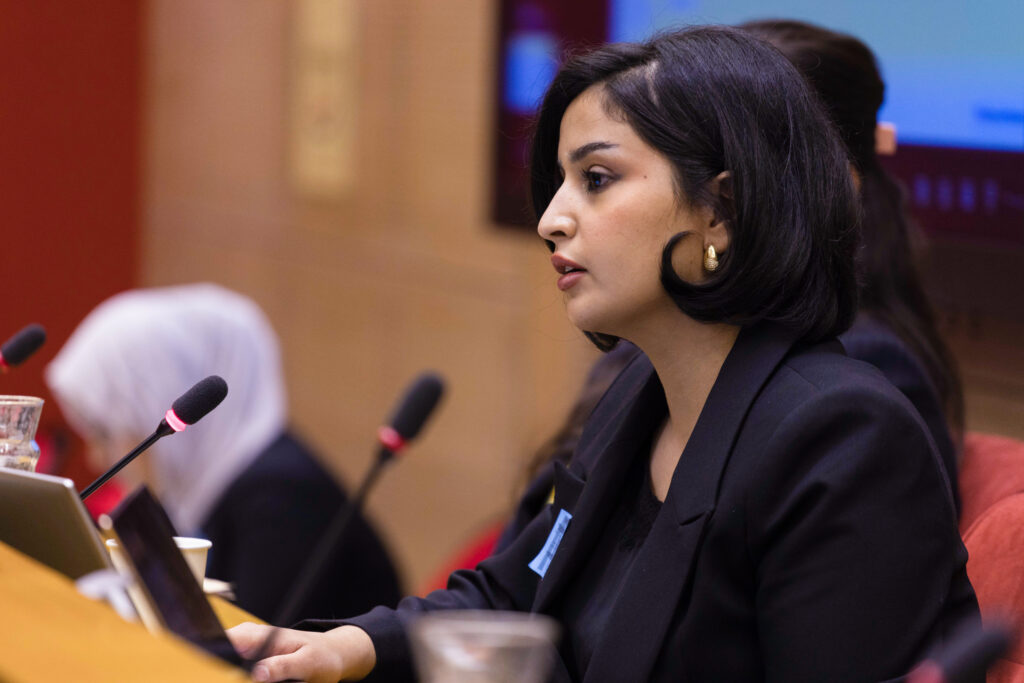
In conclusion, the panel emphasised the importance of strengthening legal frameworks and public policies in support of women’s rights while resisting conservative pressures. The support of international institutions and civil society is essential to promote sustainable and inclusive reforms.
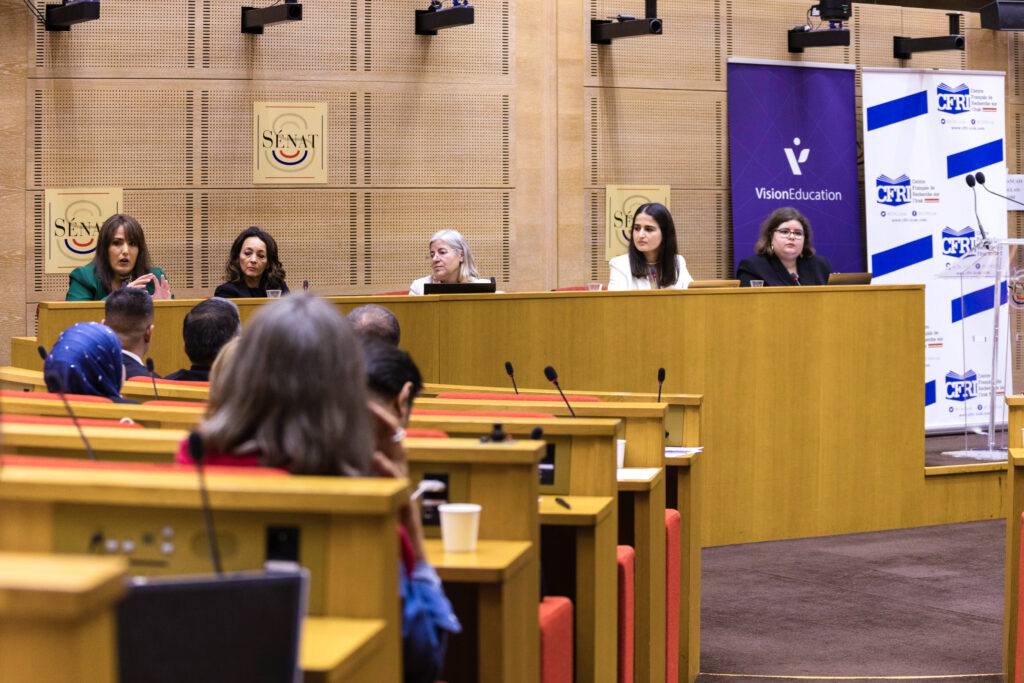
In this second panel, presented by Shanya Akram Ari, a Kurdish researcher and sociology student, the focus was on the empowerment and economic development of women in Iraq. Three experts on the subject—Bahar Ali, CEO of Emma Organisation for Human Development; Meriem Amellal Lalmas, journalist and presenter at France24; and Ashna Qader, researcher and member of the project Iraqi Women: Between Compliance, Resilience and Emancipation—shared their experiences on women’s issues in the Arab world. They also proposed various pathways toward women’s empowerment and economic independence.
Meriem Amellal Lalmas began with an emotionally powerful speech, drawing on her personal experience as a girl and young woman growing up in Algeria. She highlighted the contradictions and paradoxes in how boys and girls are raised within Arab-Muslim culture. On one hand, girls are often brought up with narratives that glorify women. She referred to iconic figures like Hassiba Ben Bouali, who died at 17 during the Battle of Algiers, and the renowned Djamila Bouhired, both symbols of Algeria’s fight for independence. Through this lens, women and girls are made to believe they can achieve anything.
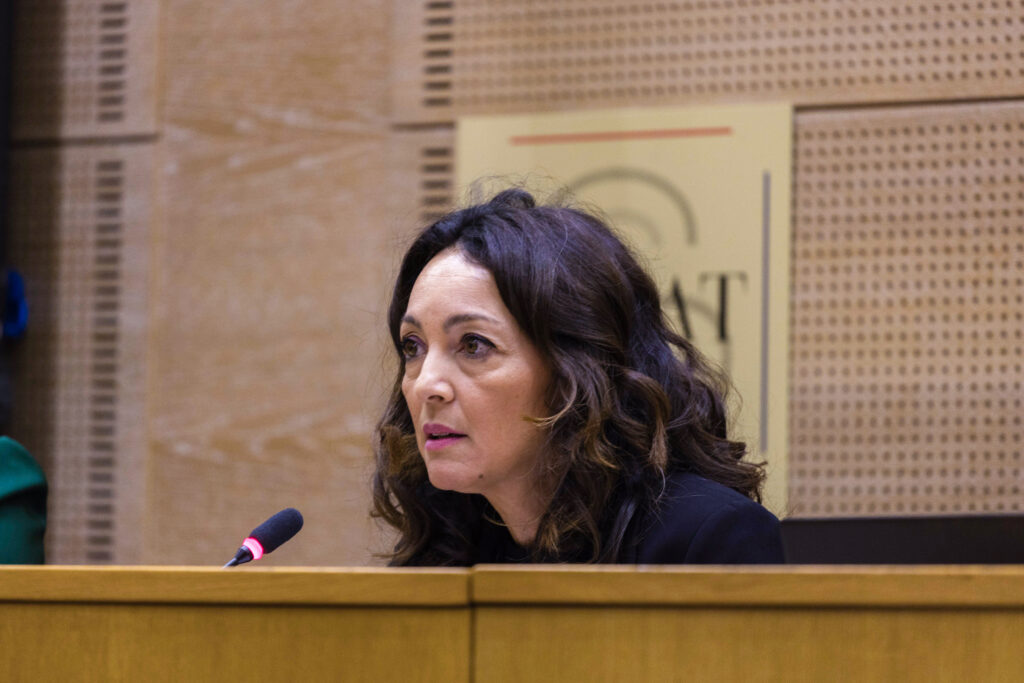
Boys, she explained, are often overprotected by their parents but are then abruptly thrown into adulthood, left to fend for themselves. This creates a profound imbalance, as many young men are unprepared to face life’s challenges, leading to conflicts and a noticeable power dynamic imbalance between men and women. Drawing from her experience and understanding of this paradox, Meriem advocated for an approach based on education and awareness as a path to improving women’s place in society. While national policies and governmental programs are essential to ensure legal equality between men and women, she emphasised that real, lasting change can only be achieved through education within the family unit, which can help transform mindsets in a more sustainable and positive way.
In complement to Meriem’s perspective, Bahar Ali shifted the debate to the Kurdistan region of Iraq and emphasised the importance of global strategies to increase women’s decision-making power and their political and economic influence in society. First, by providing an overview of the current situation of women, Bahar Ali reminded us:
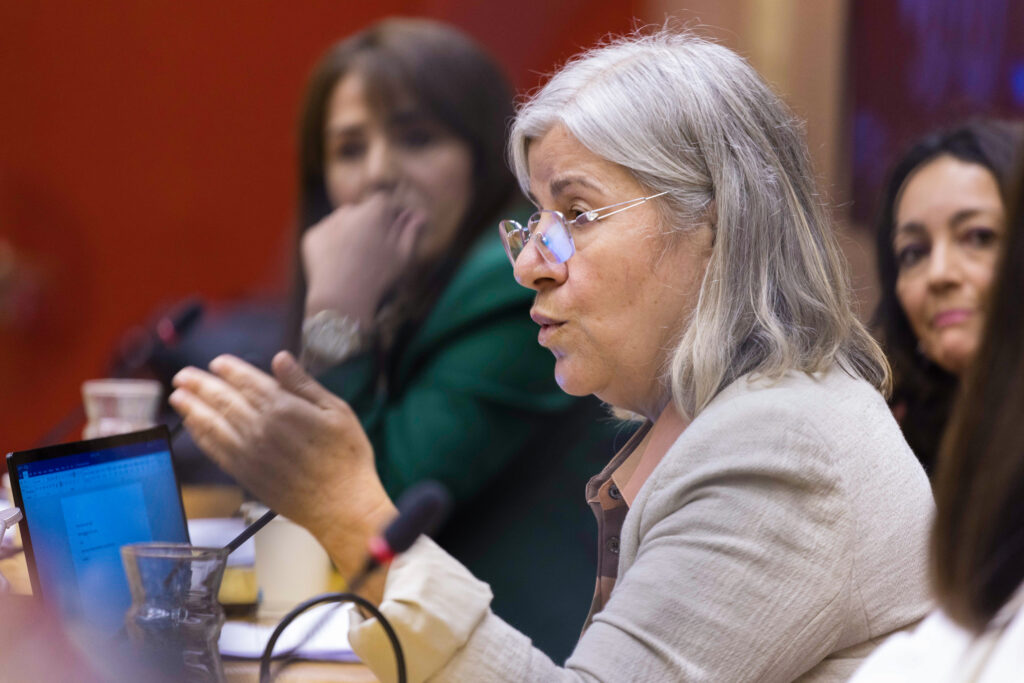
In addition to making a comparison in terms of education, Bahar also highlighted the difference between the public and private sectors. While women have professional opportunities within the public sphere (although these need to continue improving), gender inequality is particularly pronounced in the private sector. According to her, this is due to the lack of support from institutions, which are not strong or stable enough to protect women’s status and enhance their economic empowerment. Beyond micro-level policies and projects (such as microloans and localised financial support), a global strategy is needed to directly address the institutional and general issues that affect women. Bahar advocates for the establishment of “gender-sensitive budgets,” strengthening an inclusive economic environment, and ensuring that the role of women is embedded as a “philosophy” behind public policies and government projects, such as Vision 2030.
Finally, to complement what her colleagues had shared earlier, Ashna Qader focused her argument and presentation on the legal framework and the necessity of integrating women into the labor market, education, and legal protection.
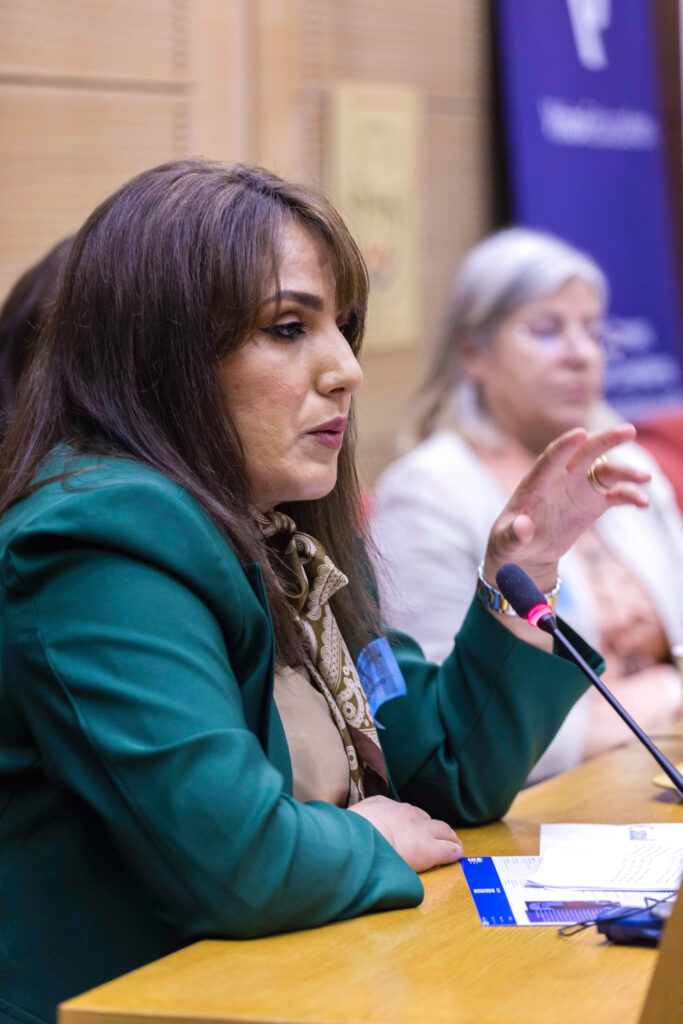
To achieve this goal, Ashna Qader proposes several solutions. First, it is crucial to enforce laws on gender equality and strengthen the legal framework to ensure equal rights for women. Additionally, access to financial resources, particularly in areas such as employment opportunities, property rights, inheritance rights, and the elimination of discriminatory practices against women, is essential. As Bahar Ali previously emphasized, this can partly be achieved through the creation of a regional budget that takes into account the condition and emancipation of women, as well as the development of policies that ensure women are fairly and justly represented in decision-making processes related to economic development. According to Ashna, this could be achieved by expanding access to digital financial services, banking platforms, and mobile money services. These new technologies can help Kurdish and Iraqi women overcome geographical and logistical barriers that prevent them from accessing financial services.
Ashna Qader also stressed the importance of integrating women further into the labor market, particularly through the creation of inclusive jobs and the establishment of quotas in high-growth sectors such as renewable energy, healthcare, and education. Due to the domestic and household responsibilities often imposed on women, Ashna also proposed the introduction of flexible working conditions to allow women to balance professional life and family responsibilities. Finally, she expressed hope for a legislative project presented to the Kurdish parliament aimed at reforming these issues. She hopes that the recent Kurdish elections, which took place in October 2024, will make women’s issues the most important project of the new parliament and lead to their adoption as law.
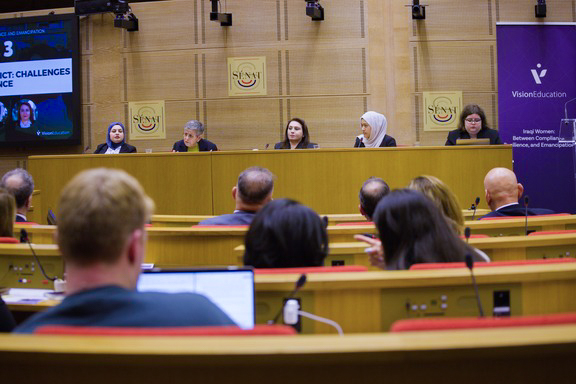
The third panel of the day, titled “Iraqi women amid conflict: challenges and resilience“, brought together three speakers to share their unique experiences and expertise. Through their testimonies, they highlighted the challenges Iraqi women face, as well as the forms of resistance they have developed in a context of structural violence, exacerbated by decades of war. The moderator of this panel, Taheera Sarker, opened the session by emphasizing the extent of the violence women in Iraq face: harassment, honor crimes, forced marriages, sexual assaults, and domestic violence. She pointed out that these violences transcend ethnic and religious divides, stating, “These ills affect all aspects of society, impacting Yazidi, Kurdish, Christian, and Arab women alike.” She then introduced the three panelists, who, through their fight for women’s rights, are striving to strengthen protective structures: Haneen Marwan Ali, a humanitarian worker and researcher; Hanaa Edwar Busha, President of the Iraqi Women’s Network; and Hana Emmanuel Georgees, Director General of Women’s Affairs within the Iraqi Presidency.
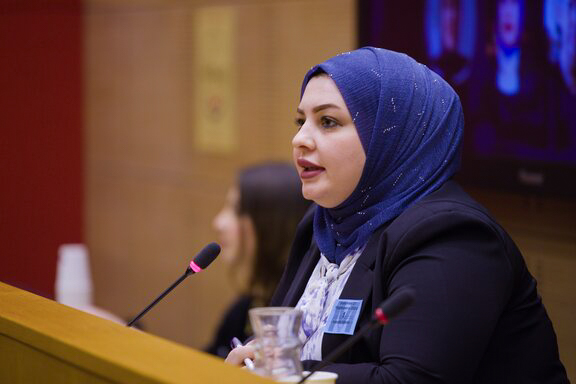
Following her experience, Haneen Marwan Ali decided to establish the Women of Nineveh association to support marginalised women in the region and give them a voice. Although the area was liberated in July 2017, the trauma and impacts of ISIS’s occupation continue to affect women. She provides several examples, beginning with the lack of legal recognition of marriages contracted under the Caliphate. This non-recognition creates an administrative and legal void for children born of these unions, leaving them without documentation and unable to access education. Additionally, the bombings and battles fought within the cities have had profound impacts on urban life and daily living. Haneen Marwan Ali reports that “many women still live in camps or abandoned housing, with no access to medical care or aid.” These living conditions pose an increased risk for women, as they are even more vulnerable to domestic violence and social marginalisation. According to Haneen Marwan Ali, part of the solution to these issues lies in education and awareness campaigns targeting both men and women, aiming to combat persistent patriarchal ideologies and hate rhetoric from certain Islamist groups. She also advocates for the establishment of legal and psychological services tailored to survivors of the Caliphate. These measures, along with the initiatives she pursues through her association, should lead to better integration of populations into a more inclusive Iraqi society, which would in turn foster the economic development of women and the region.
Next, Hanaa Edwar Busha, an activist and president of the Iraqi Women’s Network, took the floor. She provided an analysis of the structural roots of instability and violence affecting women. She describes Iraq’s recent history as an uninterrupted succession of crises:
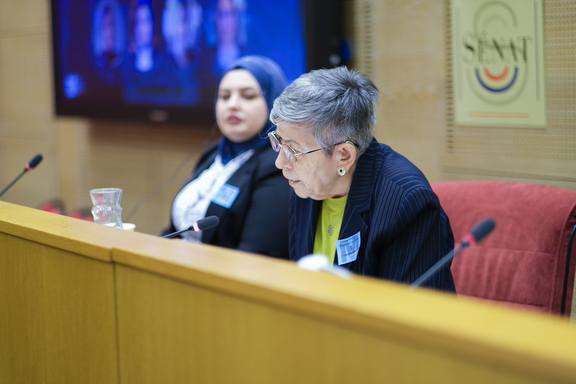
Hanaa Edwar Busha highlights the weakening of the rule of law as a disastrous consequence of this situation. According to her, this fragility is accompanied by the reinforcement of tribal and religious norms, which gravely endanger Iraqi women and girls. She specifically points to the significant rise in child marriages in the country: “In 2011, they represented 4.5% of unions. By 2023, this number had doubled to 9.4%.”These figures raise serious concerns about the limits of legal protection for women under Iraqi law and the Constitution. While Hanaa Edwar Busha and many other women have mobilised for better legal protection, Iraqi authorities have failed to pass a law against domestic violence. She also addresses a major concern of the day—the recent amendment proposed in the Iraqi Parliament, which challenges the 1959 Personal Status Code and could legitimize the application of “sharia” law. Despite these challenges, Hanaa Edwar Busha emphasised the mobilization efforts she leads alongside Iraqi women parliamentarians, particularly with the creation of the Coalition 28, which advocates with political bodies to preserve women’s rights. She stresses the importance of fighting against all forms of sectarianism and the erosion of rights:
“As civil society, we resist: this amendment is dangerous, not only for women but also for Iraq’s multicultural, multireligious, and multiethnic identity.”
Finally, Hana Emmanuel Georgees discussed the institutional and cultural obstacles that hinder women’s access to political spheres. As the Director General of Women’s Affairs, she denounces the systemic marginalisation of women within institutions:
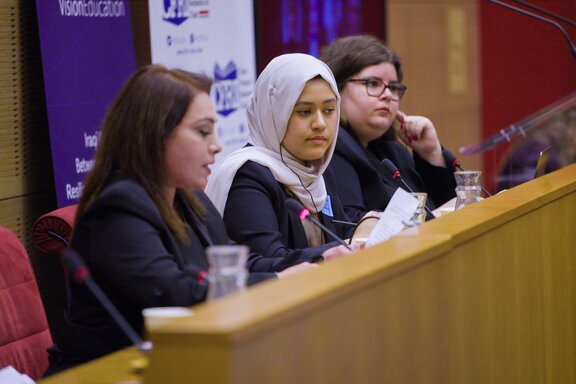
She reminded the audience that, while the quota system is meant to guarantee, according to the Constitution, 25% female representation in Parliament, it is often manipulated to limit the effective impact and decision-making power of women. Despite women making up nearly 50% of the population, their presence in decision-making positions is minimal, and they lack the power to act. She added that “many of these women who have become parliament members have not actually participated in politics or decision-making.” In other words, this patriarchal institutional system applies the quotas while marginalising the real role of women. Hana Emmanuel Georgees emphasised that this sidelining of women in key decision-making processes is also reflected in government formation, where they are relegated to a purely peripheral role in political negotiations. Drawing from the example of women in the military or police, she demonstrated the need to fight against tribal societal traditions that do not support the emancipation and empowerment of women. Hana Emmanuel Georgees presented initiatives within the country, such as the National Strategy for Iraqi Women 2023/2030, which aims to promote women’s autonomy and full integration into society. Indeed, societal changes must be deep before enabling true inclusion of women in political life, in other words:
“A meaningful participation of women means not only increasing the number of women participating in political elections but also working to change social norms and practices.”
In conclusion, this panel provided an opportunity to explore the numerous challenges faced by Iraqi women after decades of conflict and violence. Through their interventions, Haneen Marwan Ali, Hanaa Edwar Busha, and Hana Emmanuel Georgees highlighted the consequences of chronic instability and traditional norms on the marginalisation of women. Furthermore, they emphasised the many initiatives led by Iraqi women to strengthen legal frameworks protecting women’s rights, combat sectarian mechanisms, and support women directly affected by conflict. They demonstrated the need to continue the fight for women’s rights, their empowerment, and to build a more equitable and inclusive society in Iraq.
Susan Arif Maaroof, founder and director of the Women’s Empowerment Organisation, introduced panel 4 by highlighting the complex challenges faced by women in Iraq, including the Kurdistan region, and across the Arab world. She emphasised the progress made by civil society, particularly the women’s movement, in the fight against inequalities rooted in cultural norms and exacerbated by conflict, displacement, and economic instability. According to her, women and girls in the region continue to navigate through complex social, cultural, and legal barriers, but the growing role of women in decision-making offers tangible hope for the future. To help address this topic, Susan Arif Maaroof invited Dr. Khanzad Ahmed, Secretary General of the High Council for Women and Development, Sarah Anne Rennick, Deputy Director of the Arab Reform Initiative, and Nadia Enesco, Teaching Manager at the Institute for Research and Studies on the Mediterranean and Middle East (iReMMO).
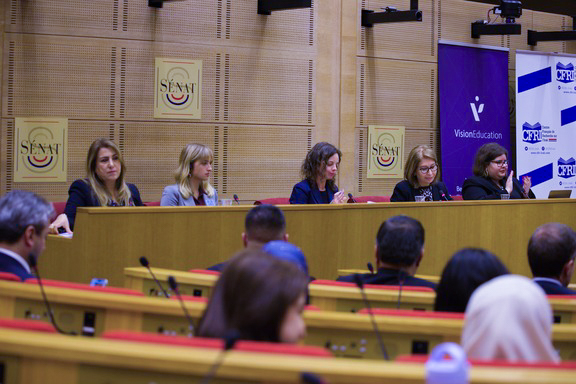
For this final panel, Dr. Khanzad Ahmed, Secretary General of the High Council for Women and Development in Kurdistan, expressed her profound gratitude to the French for their crucial support to the Kurds and for the French government’s contribution to the democratisation of Iraq.
In her presentation, she first emphasised the importance of data and information, and their role in serving women, families, and communities. She continued by stating that today, the development of evidence-based policies is essential to establish programs grounded in concrete facts. In this regard, the Kurdistan Regional Government (GRK) collaborates with UN Women to create a data center to ensure that its policies and programs are built on solid foundations. This initiative would allow for the development of more robust policies, interventions, and responses to combat existing inequalities. While acknowledging the efforts and dedication of the research team, she hopes that their work takes into account the contextual, social, linguistic, religious, and geographical specificities between the Kurdistan Region of Iraq and the rest of Iraq. Furthermore, the legislative and judicial distinctions between these two entities affect women, families, and communities in different ways.
She also highlighted that their historical and social neighborhood relations have both positive and negative impacts. She hopes that the results of this research will contribute to strengthening the GRK’s approach to policy. Additionally, the GRK’s vision and objectives regarding gender equality are clear, with a focus on integrating gender across all levels of governance according to four priority axes: women’s political participation, combating violence, women’s economic empowerment, and peace and security for women. This approach is accepted and adopted in the Kurdistan Region of Iraq, despite a regional context marked by major challenges, including religious, political, and economic instability, as well as wars and conflicts.
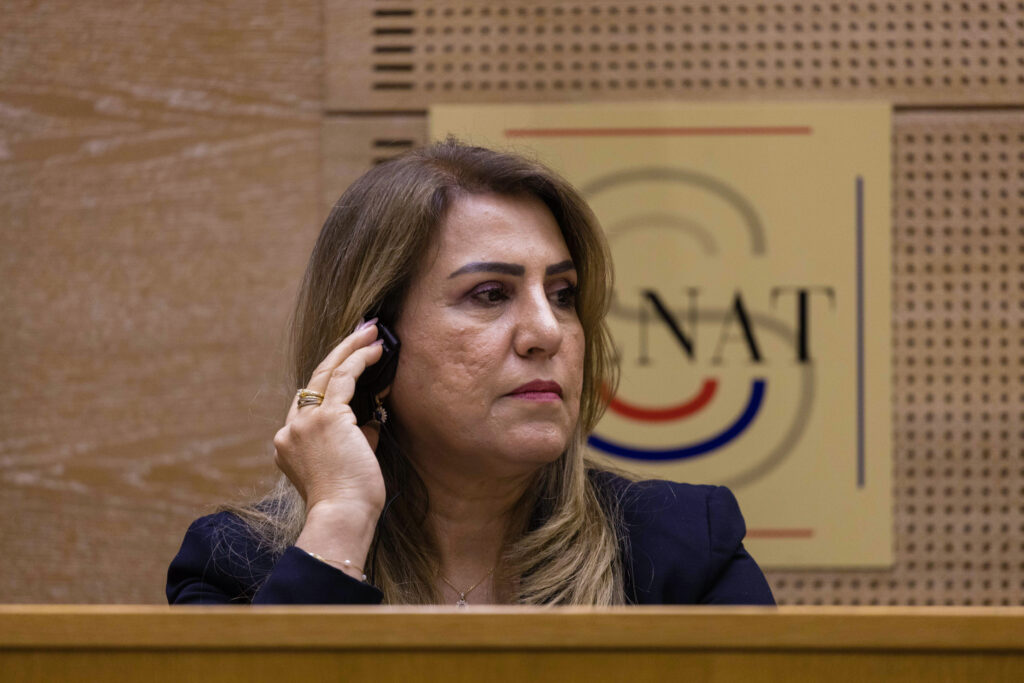
Sarah Anne Rennick provided an academic and new perspective on the role of research and knowledge production in significantly promoting women’s participation in politics and peacebuilding processes. In particular, by distinguishing herself from traditional research methods or the conventional academic field, she introduced the concept of engaged scholarship. This method, which facilitates the production of knowledge prioritising co-creation between researchers and participants, removes the traditional hierarchy between them and allows for a more comprehensive and community-oriented approach to results and interpretations.
She added that this approach fosters mutual learning, enriched both by the theoretical perspective of researchers and the lived experience of participants. The ultimate goal of this approach is to bring about concrete social and political change by making research accessible not only to academics but also to activists, policymakers, and local actors.
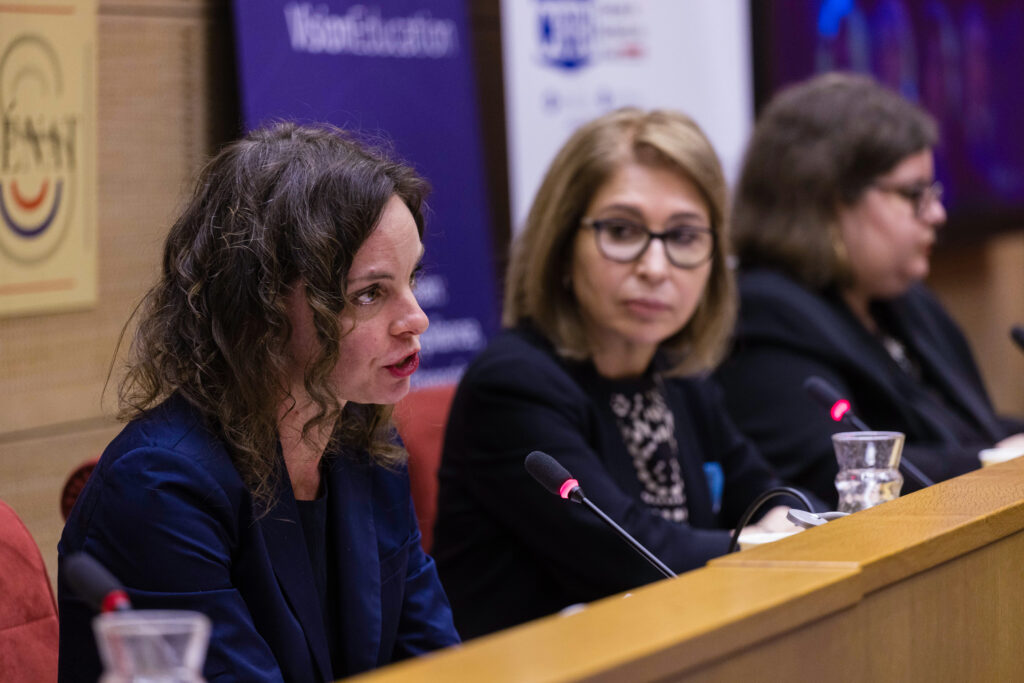
Nadia Enesco emphasised the crucial role of academic research, particularly the involvement of iReMMO in this process. Beyond knowledge creation and academic analysis of the social, economic, and political dynamics of the region, she stressed the importance of deconstructing stereotypes and redefining the codes of legitimacy in research. According to her, women can reclaim their own history and become full participants in the production of knowledge only by redefining their role in society, especially in academic circles.
She highlighted that the ultimate goal is not merely to produce sophisticated articles locked behind paywalls, but to create knowledge that is accessible to all, thus democratising knowledge itself. By doing so, women will have the power to actively shape the narratives and contribute to the broader discourse surrounding their own rights and roles in society.
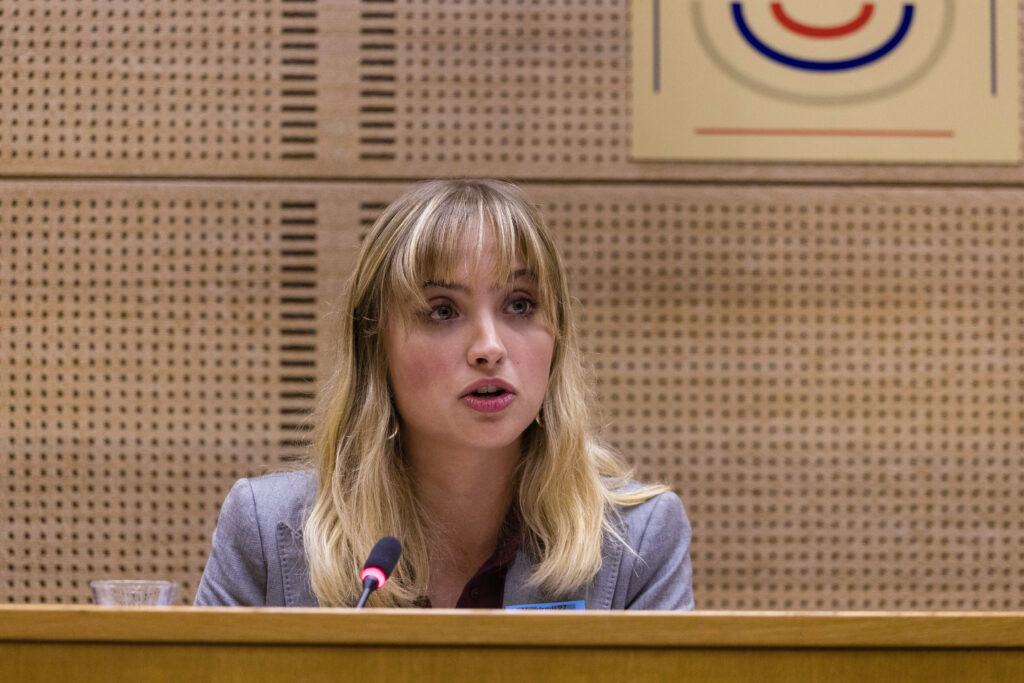
She emphasised the need to promote a space where women can contribute authentically without having to conform to male norms in order to be legitimised.
This report was prepared based on the discussions and contributions of the participants at the conference. The statements were listened to, transcribed, and summarized to accurately present the key points discussed.