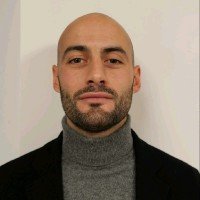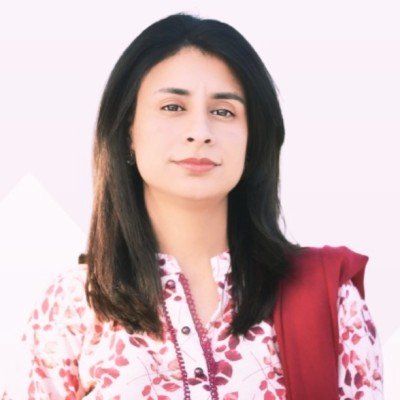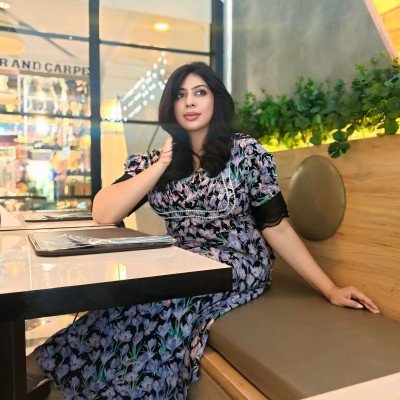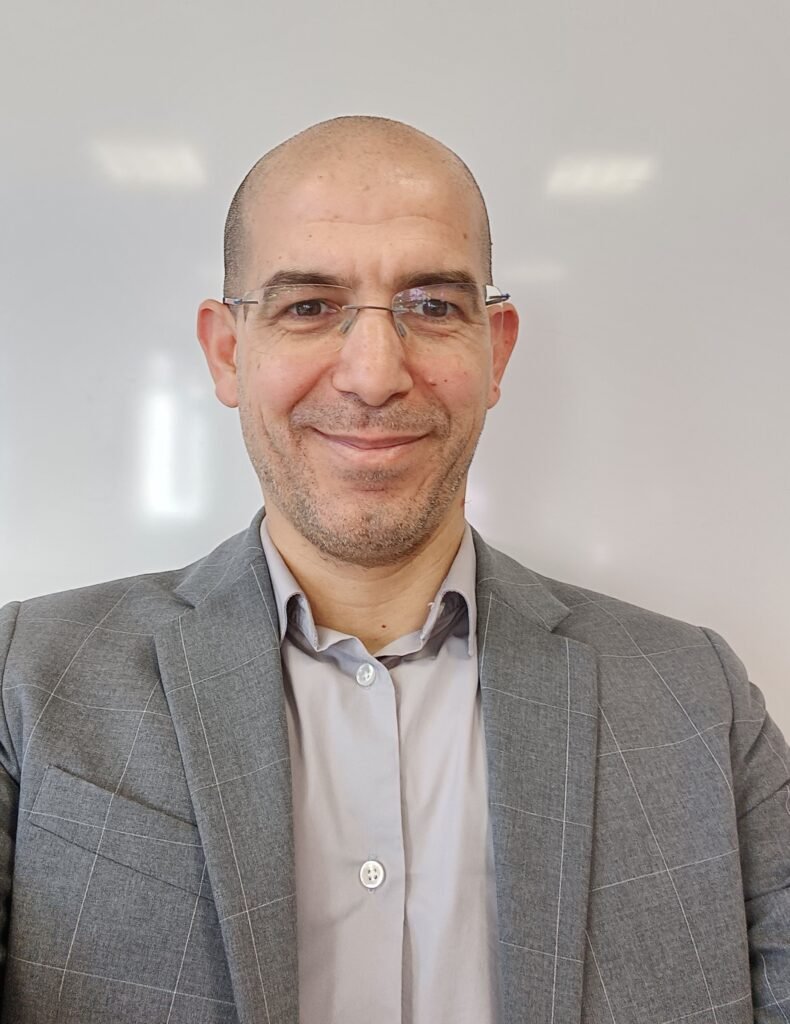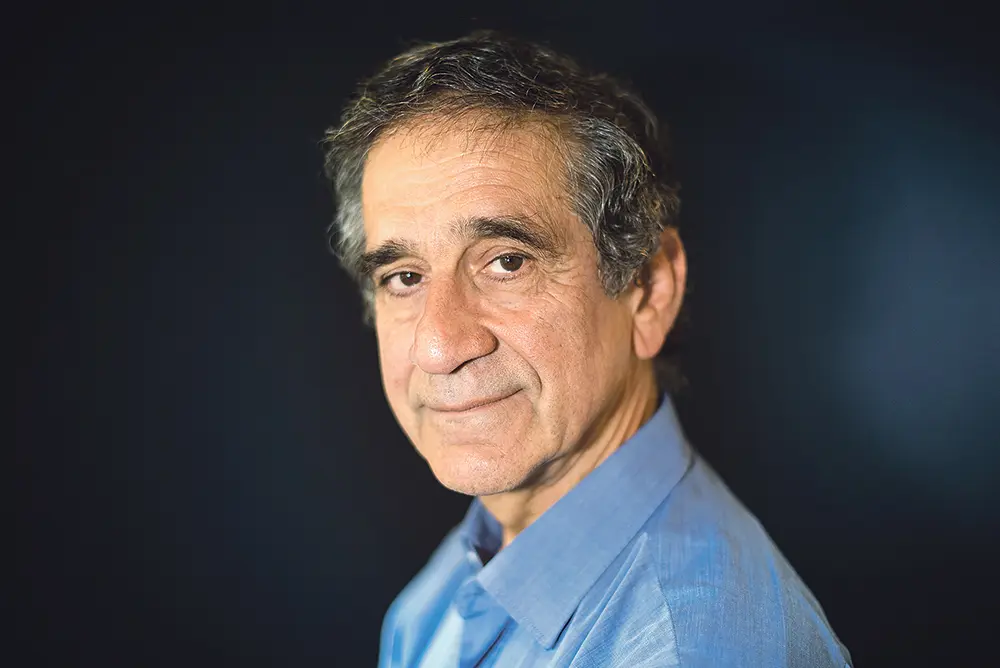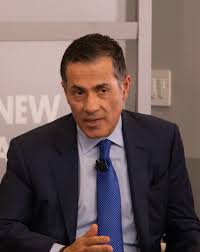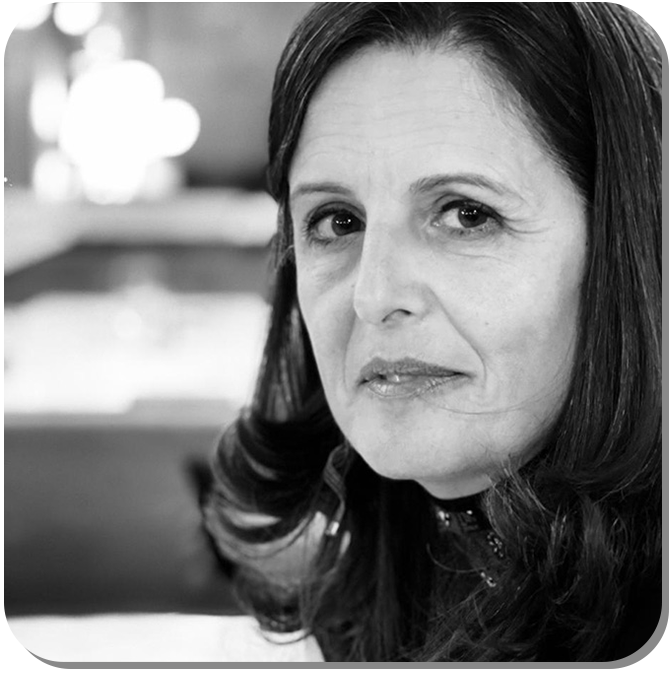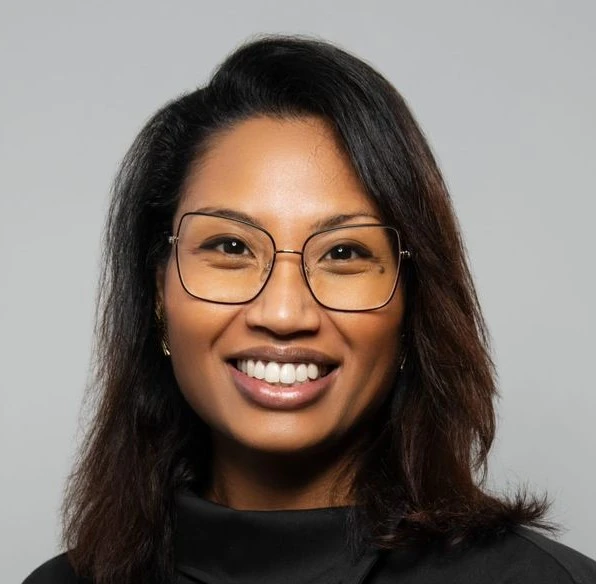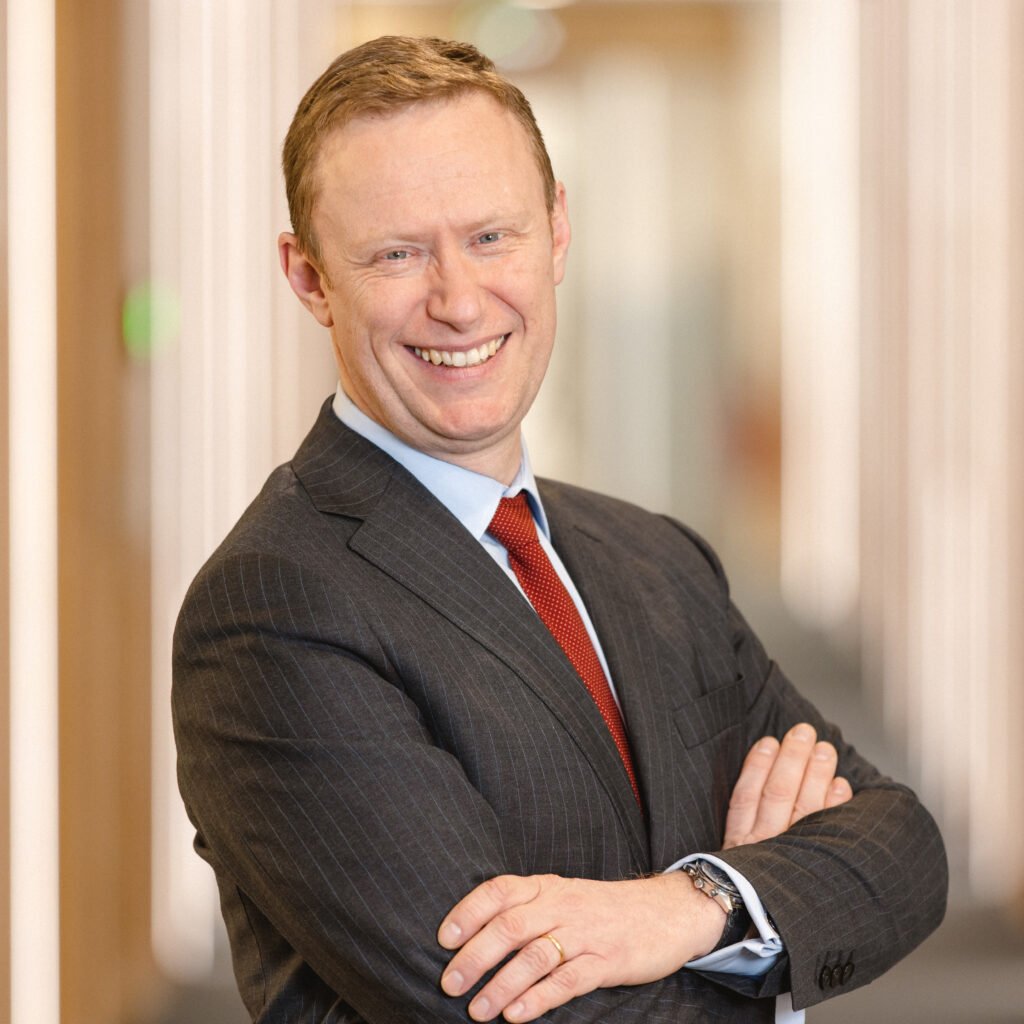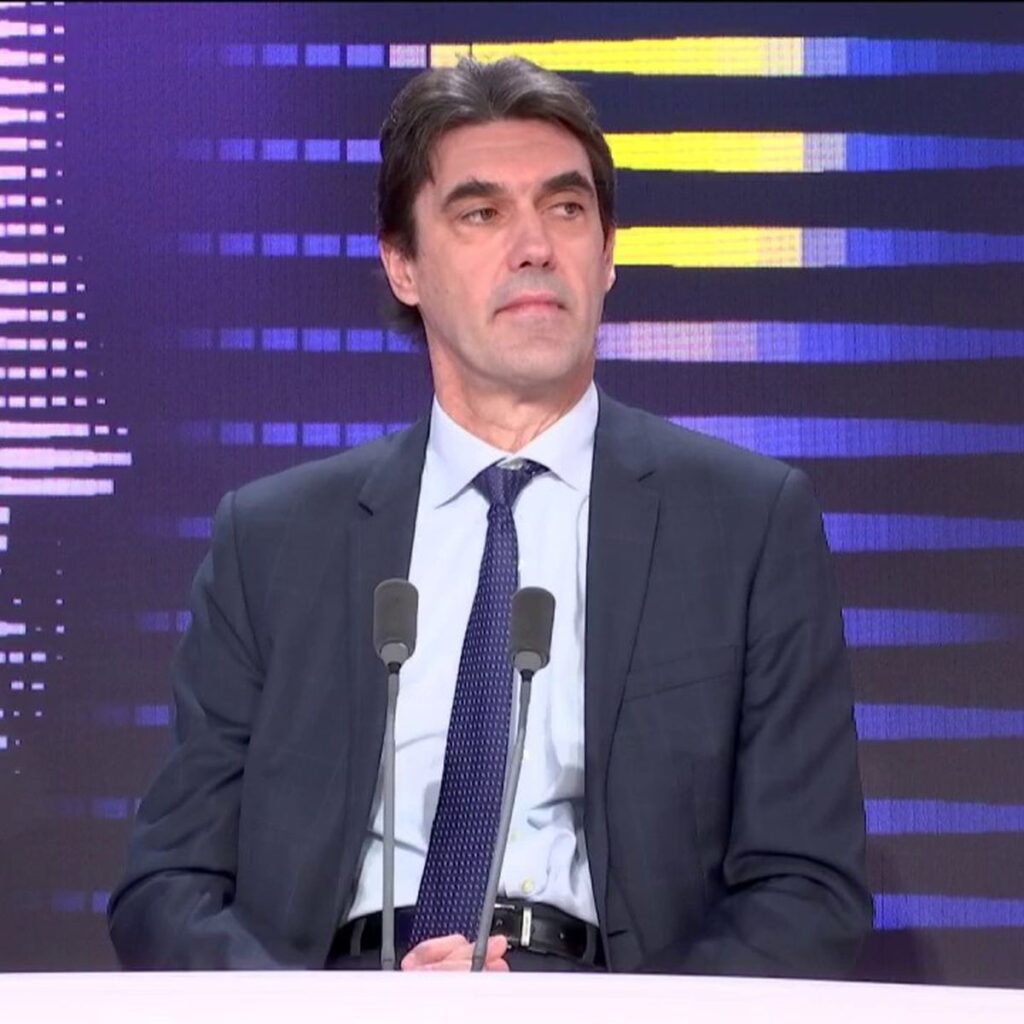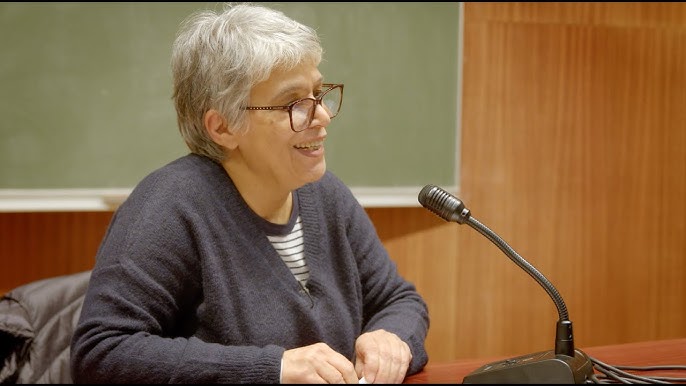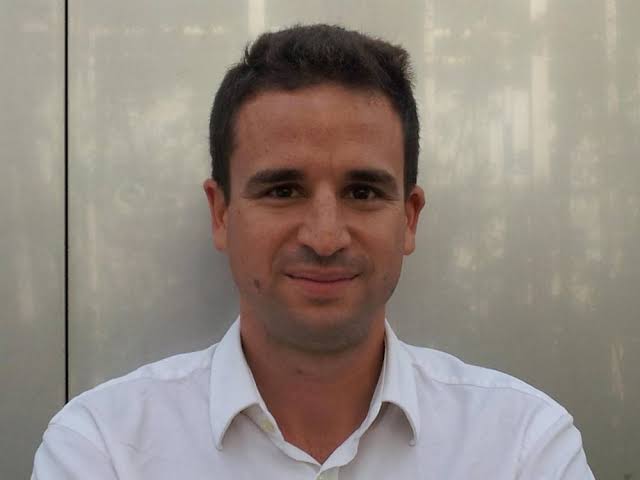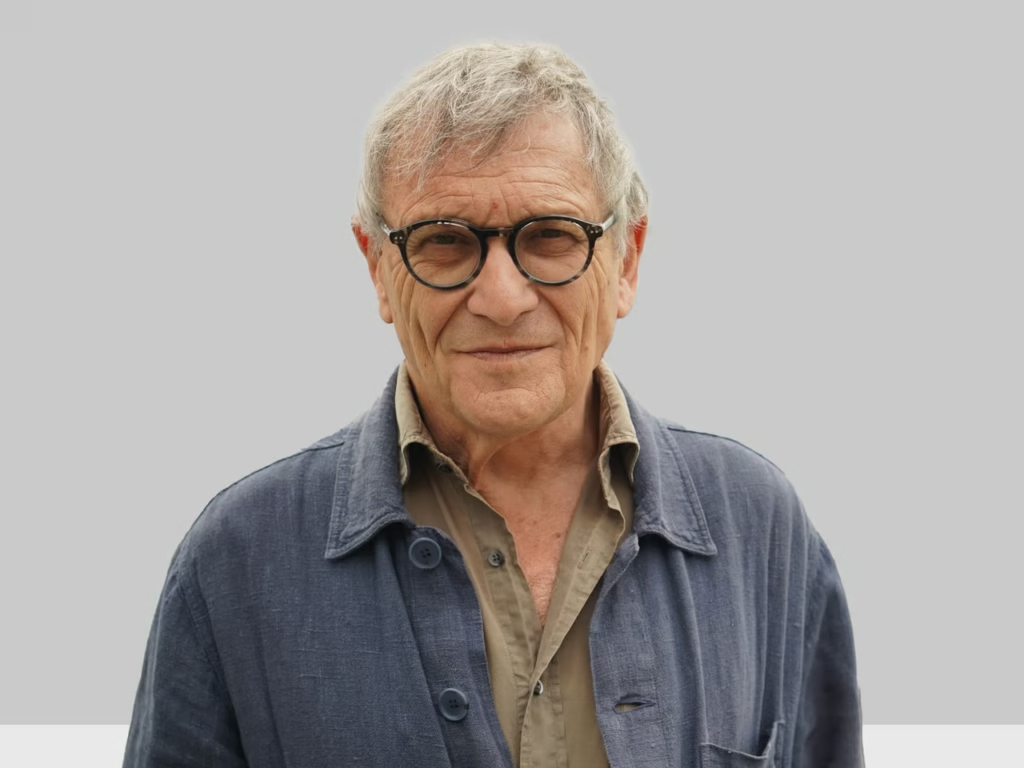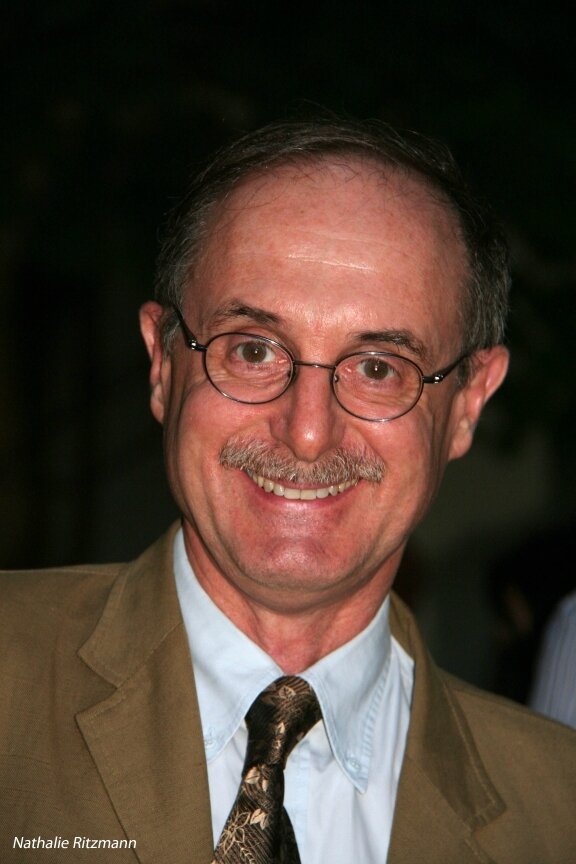
Majid Khadduri Professor of International Affairs & Middle East Studies at Johns Hopkins University SAIS
Think tanks focused on the Middle East and North Africa typically employ a diverse range of experts specialising in various fields related to the region’s unique political, social, and economic dynamics. These experts contribute to developing nuanced insights into the complex issues that shape Middle Eastern geopolitics, security, culture, and more.
1. Geopolitics
2. Diplomacy
3. Politics
4. Western and Regional Influence
5. Security
6. Military
7. Terrorism
8. Sectarianism
9. Militias
10. Kurdistan
1. Economy
2. Energy
3. Water
4. Social
5. Identity
6. Youth
7. Anthropology
8. Education
9. Sociology
1. Human Rights
2. Women’s Rights
3. Gender
4. Minorities
5. Religion
6. Political Islam
7. Journalism
Majid Khadduri Professor of International Affairs & Middle East Studies at Johns Hopkins University SAIS
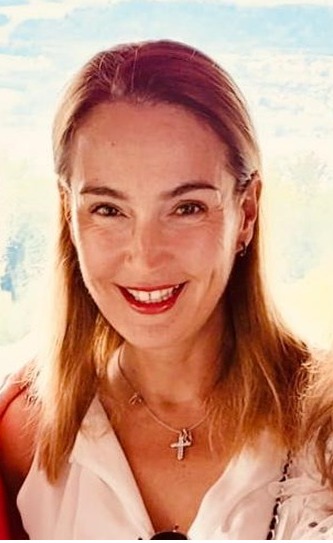
A Palestinian political economist and full Professor of Political Science at the University of Massachusetts Boston. Her research focuses on the Middle East and the Arab-Palestinian conflict.
Associate Researcher at the Foundation for Strategic Research (FRS). She worked for several years in Madagascar with the President of the National Assembly and then the President of the Republic, in particular on energy issues, defense and security.
David Rigoulet-Roze is a research fellow at the Institute for International and Strategic Relations (IRIS), specializing in the Middle East and, more specifically, the Arabian Peninsula.
Marie Ladier-Fouladi is a sociologist and demographer, and she serves as an Honorary Director of Research at the CNRS. The principal focus of her research throughout her academic career has been on Iran, particularly Iran following the rise to power of the Islamists in 1979.
Clément Therme is a lecturer at Sciences Po Paris and Paul Valéry University in Montpellier. He is also an associate member of CETOBAC at EHESS and a non-resident researcher at the International Institute for Iranian Studies (Rasanah).
She is a distinguished sociologist renowned for her extensive research on issues related to migration, ethnicity, and gender, particularly focusing on Muslim communities in Europe. She is Professor Emeritus in the Department of Sociology at the University of Warwick and holds associate researcher positions at several institutions in Paris, including the Collège d’études mondiales (MSH-Paris), CADIS-EHESS, and IFRI. She also serves as Vice-President at EISMENA.
Rony Brauman began working in international aid in the mid-1970s, serving as a ship’s doctor along West Africa’s coasts (1975–1978), followed by field missions in Benin, Djibouti, Asia, Africa, and Central America, particularly in armed conflict zones and refugee camps. As one of the earliest members of MSF, he was appointed President of Doctors Without Borders France, serving from 1982 to 1994. Under his leadership, the organization saw a tenfold increase in both budget and operations, and expanded significantly globally.
Thierry Vircoulon is an independent consultant and has been affiliated with Ifri since 2006. He coordinates Ifri’s Observatory on Central and Southern Africa and collaborates with the Global Initiative against Transnational Organized Crime (South Africa). For the past 20 years, his work has focused on conflicts, security, and governance issues in Africa. He is the author of several books on South Africa and the Democratic Republic of the Congo.
After a career in financial auditing and corporate finance, she is currently pursuing a PhD in Geostrategy and Geopolitics at the Academy of Geopolitics of Paris, where her research focuses on Iran–Iraq relations. She also serves as coordinator of the “West Asia and Arab World” watch unit and as a member of the editorial board of EurasiaPeace. Her interest in international relations and geopolitics primarily centers on this region, with particular attention to the interplay between the domestic and foreign policies of Iraq and Iran, as well as their regional implications. She became in 2025 an associate researcher to EISMENA.
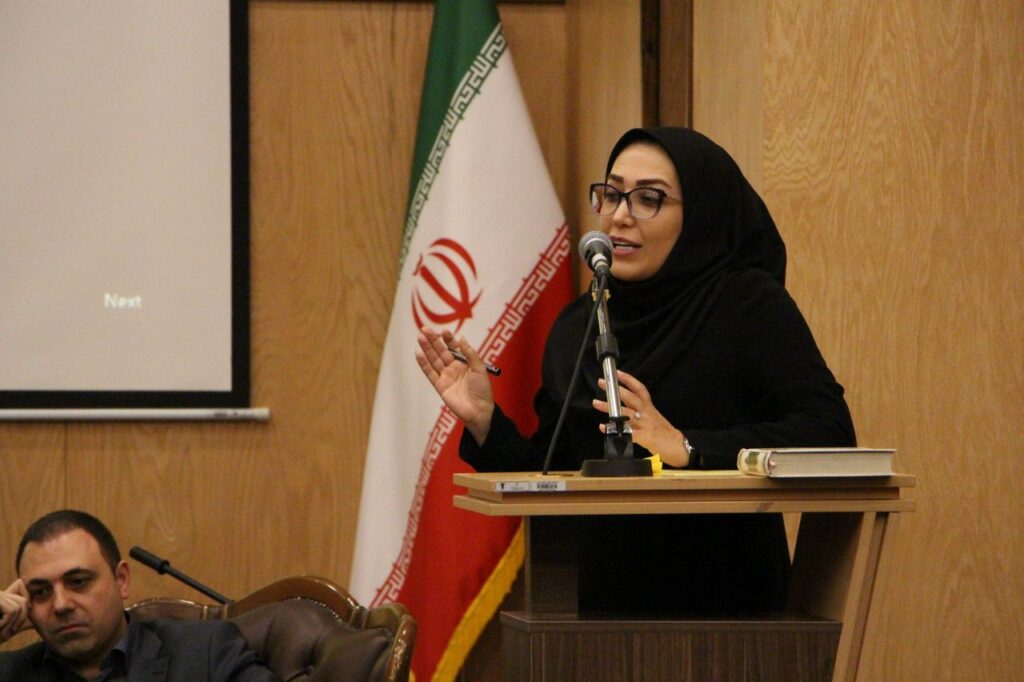
Roxana Niknami, Professor of Regional Studies at University of Tehran & director of Center for Graduate International Studies of University of Tehran
Roxana Niknami is an Assistant Professor in European Studies at the University of Tehran and member of the Faculty of Law & Political Science. She is also director of the Center for Graduate International Studies of University of Tehran. Her areas of interest and research are in Geopolitics matters and her main research area is foreign policy.
Hamit Bozarslan is a distinguished historian and political scientist specializing in the sociology, history, and political dynamics of the Middle East—particularly Turkey and the Kurdish issue.
He is a French sociologist. He is renowned for his work on violence, terrorism, racism, social movements, and theories of social change. He was a student of Alain Touraine and has held several prominent academic and institutional positions. He is the current President of EISMENA.
Founder and current director of the European Institute for Studies on the Middle East and North Africa (EISMENA), he pays particular attention to Middle Eastern issues within the fields of the social sciences and geopolitics. He specializes in the five areas that make up the MENA region: the Arab, Turkish, Persian, Israeli, and Kurdish spheres. He has published several works, including his latest work, The Disintegration of the Middle East, has also just been released by Tallandier and focuses on the three major events that have impacted the region: 9/11, the Arab Spring, and October 7, 2023, or Iraq: A Century of Failure. From 1921 to the Present Day, published by Tallandier.
He is a former diplomat, he served as Country Director for Libya at Expertise France between 2016-2021. Since 2023, he serves as Founder and Managing Director of SuperNovae, a French humanitarian NGO active in conflict zones such as Gaza, Libya, Sudan, Mayotte, Yemen. The objective is to provide aid to displaced women (and not only) through employment training, psychological support, child-focused programs, and awareness campaigns on gender-based violence.
Professor Emeritus at Sciences Po Grenoble-UGA, researcher at CERDAP2, and associate researcher at EISMENA (Paris), IFEA (Istanbul), and FMES (Toulon). He is also part of EISMENA’s board committee as its secretary.
F. Gregory Gause III is a distinguished scholar specializing in Middle Eastern international relations, particularly focusing on the Arabian Peninsula and the Persian Gulf. He is currently a Visiting Scholar at the Middle East Institute in Washington, D.C., and serves as Professor Emeritus of International Affairs at the Bush School of Government and Public Service at Texas A&M University, where he held the John H. Lindsey ’44 Chair until his retirement in January 2025.
He earned a PhD in Economics from University of Paris 1 Panthéon-Sorbonne, where he later became a lecturer and served as Vice-President (1994-1999). Later he was appointed Professor and Head of Economics Department at Galatasaray University in Istanbul from 2002 onward; now Professor Emeritus at Galatasaray University and Sciences Po Paris. He is the Co-Founder and Editorial Director of Turkey’s publishing house, İletişim Yayınları (founded 1982), and editorial board member of the sociopolitical journal Birikim.
Dr. Abbas Kadhim is a prominent Iraqi-American scholar and policy expert specializing in Middle Eastern affairs, particularly Iraq, Iran, and the Gulf region. He currently serves as a Resident Senior Fellow and Director of the Iraq Initiative at the Atlantic Council, a role he has held since 2015.
Dr. Akeel Abbas is an Iraqi academic and journalist specializing in cultural studies, identity politics, and democratization in the Middle East. He holds a Ph.D. in Cultural Studies from Purdue University. His academic focus encompasses modernity, democratization, the politics of identity, and human rights, with a particular emphasis on Iraqi and regional dynamics.
He is a renowned French political scientist, widely recognized for his groundbreaking work on political Islam, secularism, and the evolving relationship between religion and culture in both the Middle East and the West.
Michael Knights is the Jill and Jay Bernstein Senior Fellow at The Washington Institute, specializing in the military and security affairs of Iraq, Iran, and the Gulf states. He is cofounder of the Militia Spotlight platform, which offers in-depth analysis of developments related to Iran-backed militias in Iraq and Syria. Knights has traveled widely in Iraq, Yemen, and the Gulf states, and regularly briefs U.S. government policymakers, congressional committees, and U.S. military officers on regional security affairs. He has worked extensively with local military and security agencies on the ground in Iraq, the Gulf states, and Yemen.
He is a French geographer renowned for his extensive research on Iran’s social political, and urban landscapes. Hourcade is an Emeritus Research Director at the French CNRS, and is affiliated with the Centre de Recherche sur le Monde Iranien (CERMI). He previously served as the Director of IFRI from 1978 to 1993 and led the research groupe “Monde iranien” ar CNRS from 1993 to 2005.
Academic, Doctor in Geopolitics from Paris 8 University, authorized to supervise research, he is a professor of International Relations (PSB) and a lecturer at Sciences-Po Paris. He has also recently published La Guerre mondiale n’aura pas lieu (The World War Will Not Take Place), published by Odile Jacob.
Dr. Majid Rafizadeh is an Iranian-American political scientist, scholar, and human rights activist specializing in Middle Eastern affairs and U.S. foreign policy. He is the president of the International American Council and serves on the advisory board of the Harvard International Review. Dr. Rafizadeh has taught at several universities, including the University of California, Santa Barbara, and the University of South Florida, and has conducted research at the Woodrow Wilson International Center for Scholars.
Lyna Ouandjeli is a researcher at the European Institute for Studies on the Middle East and North Africa (EISMENA). A consultant specializing in conflict analysis, international law, and geopolitics in the Middle East, North Africa, and the Sahel, she has led research projects and facilitated dialogues in France and Iraq. Holding degrees in European law, international relations, and conflict resolution/arbitration, her work combines academic rigor with applied practice. Trilingual in French, English, and Spanish, and currently improving her Arabic, she brings together strong analytical depth with the ability to produce accessible, high-quality policy and research analyses and narratives.