


Introduction: When War Tests Economic Diversification
Over the past decade, Gulf countries have sought to transform their economic structures. Dependence on oil and gas has increasingly been complemented by tourism, investment, Islamic finance, trade, technology, logistics, and the halal industry. These sectors are central to efforts to create employment, attract foreign capital, and establish more sustainable sources of economic growth.
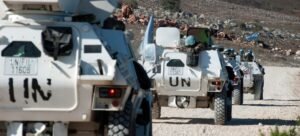
However, the regional conflict that escalated in 2026 has tested the strength of this transformation. The consequences extend beyond energy production and exports. Aviation, tourism, hospitality, logistics, investment, and cross-border mobility have also come under pressure, affecting sectors that are becoming increasingly important to Gulf economies.
The International Monetary Fund’s October 2026 World Economic Outlook projects significant economic contractions in several Gulf economies. Real GDP is forecast to decline by 15.6 percent in Qatar, 16.7 percent in Kuwait, 11.3 percent in Bahrain, 3.3 percent in Saudi Arabia, and 3.9 percent in the United Arab Emirates. Oman, by contrast, is projected to grow by approximately 4.1 percent.[1] These figures are macroeconomic projections, not direct measurements of the halal industry’s performance. Nevertheless, they illustrate the difficult environment in which halal-related businesses must operate. When economic activity contracts, consumer spending, investment, transport, and business confidence can weaken simultaneously.
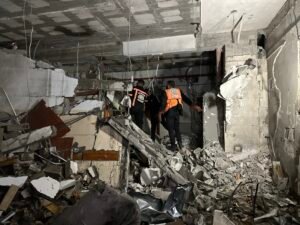
The conflict has also exposed the vulnerability of strategic infrastructure. A Reuters investigation published in October 2026 documented at least 135 drone and missile attacks against 84 critical infrastructure sites across Gulf Arab states since the conflict began. The affected infrastructure included energy facilities, airports, pipelines, and other strategically important assets.[2]
For the halal economy, the implications are substantial. The ability to produce certified products or attract Muslim consumers is insufficient if transport networks are disrupted, essential inputs become expensive, or international investors postpone projects.
The central question is therefore not simply whether the Gulf can continue diversifying. It is whether the emerging economic model can withstand prolonged geopolitical instability.
The Halal Economy Is More Than a Food Industry
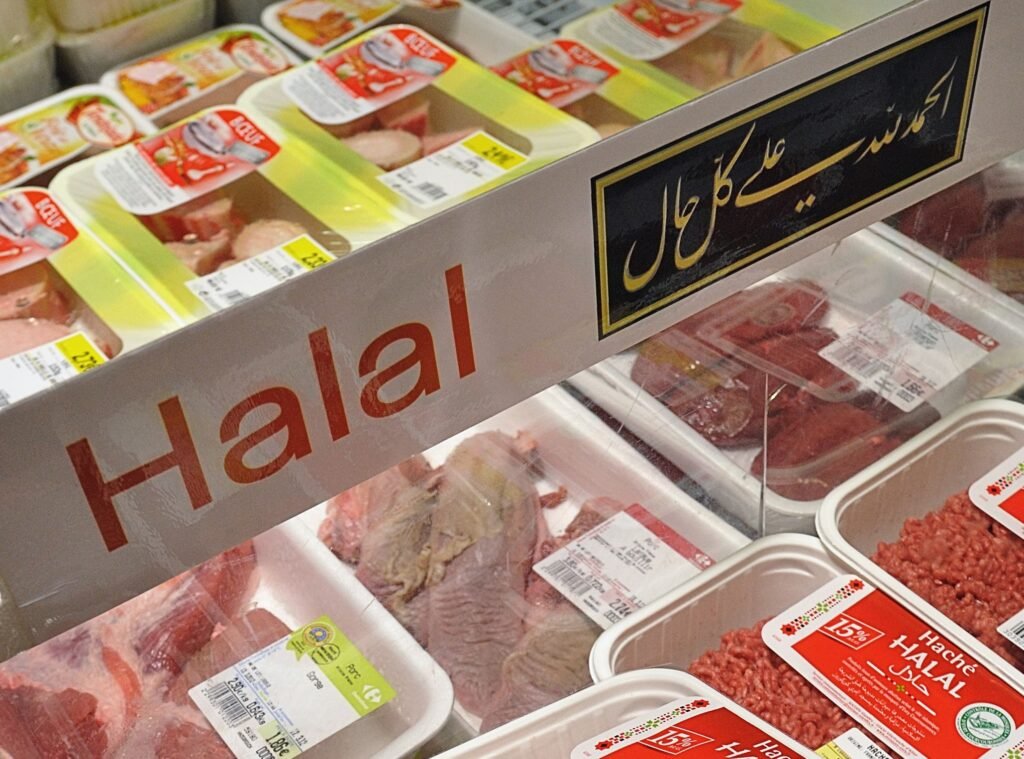
The halal economy is often associated primarily with food products that comply with Islamic dietary requirements. In practice, its economic reach is considerably broader. It encompasses food processing, pharmaceuticals, cosmetics, modest fashion, Islamic finance, Muslim-friendly tourism, logistics, certification services, and digital platforms.
These activities are interconnected. A halal food producer depends on reliable agricultural inputs, processing facilities, certification, packaging, storage, and distribution. A Muslim-friendly tourism business relies on airlines, hotels, restaurants, transportation, payment systems, and dependable access to destinations. Islamic financial institutions, meanwhile, provide capital for businesses and infrastructure across these sectors.
The halal economy should consequently be understood as an ecosystem rather than a collection of separate industries. This distinction matters during a conflict. An airport disruption can affect hotel occupancy, restaurant revenues, retail spending, and employment. A shipping disruption can increase the cost of food ingredients, packaging, medicines, and manufacturing equipment. Uncertainty surrounding security and investment returns can delay the development of commercial facilities and industrial projects.
These effects may not immediately appear in halal-industry statistics. Nevertheless, they influence the operating conditions of businesses throughout the halal value chain. The challenge is particularly important for Gulf economies because diversification projects often depend on international connectivity. Global tourism, logistics, foreign investment, and imported inputs have helped support the expansion of non-oil activities. The same connections can become channels through which geopolitical shocks spread.
Tourism and the Relative Resilience of Religious Travel
Tourism provides a clear example of both the opportunities and vulnerabilities associated with economic diversification. Saudi Arabia’s Ministry of Tourism reported that the Kingdom received approximately 123 million domestic and international tourists in 2025. Total tourism spending reached a record SAR304 billion, representing an increase of around 7 percent from the previous year. Tourism directly contributed approximately 4.9 percent of GDP in 2024, while employment in tourism industries reached nearly 1.03 million jobs in 2025.[3] These figures demonstrate the growing importance of tourism to Saudi Arabia’s economic transformation. They also illustrate why disruption to travel has consequences extending beyond hotels and airlines. According to Reuters, Saudi Arabia’s tourism activity declined by approximately 5–6 percent during the first five months of 2026 compared with the corresponding period in 2025. The tourism minister attributed the decline to the regional conflict, while noting that religious tourism helped limit the damage.[4]
The resilience of religious tourism has an important economic explanation. Makkah and Madinah are not conventional leisure destinations. Hajj and Umrah are religious activities that attract Muslim visitors from across the world. Their significance is rooted in religious obligation and devotion rather than solely in entertainment, discretionary consumption, or seasonal leisure preferences. Consequently, demand for religious travel may respond differently to geopolitical shocks than demand for conventional tourism. However, relative resilience should not be confused with immunity.
Pilgrims still depend on international flights, visas, accommodation, ground transportation, food services, and secure travel arrangements. Higher airfares, flight cancellations, route restrictions, and uncertainty can increase costs for pilgrims and service providers alike.,The economic effects also extend to businesses outside the immediate pilgrimage sites. Airlines, travel agencies, restaurants, transport operators, retailers, and suppliers participate in the value chain surrounding religious journeys. For this reason, religious tourism can serve as a stabilizing component of the Gulf economy, but it cannot fully compensate for disruptions across the wider travel and services sector. The broader lesson is that resilience depends not only on the strength of demand but also on the ability of the supporting infrastructure to continue operating under adverse conditions.
Connectivity and the Transmission of Geopolitical Risk
The conflict has highlighted the strategic importance of transport and energy infrastructure. Gulf economies depend on interconnected networks of airports, seaports, pipelines, roads, telecommunications, and maritime routes. These networks support domestic production as well as international trade. When one critical node becomes unavailable, the consequences can spread across multiple industries. Businesses may need to reroute shipments, find alternative suppliers, pay higher insurance premiums, or hold larger inventories. Such adjustments increase operating costs and may delay production. For halal businesses, the risks can be particularly significant in sectors involving perishable food, pharmaceuticals, temperature-sensitive products, and time-dependent logistics. Certification alone cannot guarantee the availability, affordability, or timely delivery of goods.
The disruption of regional infrastructure also raises questions about the relationship between economic efficiency and security. Concentrating trade through a limited number of transport hubs may reduce costs during normal conditions, but it can create significant vulnerabilities when those hubs are disrupted. Gulf countries therefore need to assess infrastructure not only in terms of capacity and profitability but also in terms of redundancy, geographic diversification, and operational continuity. This does not mean that every country must duplicate all its infrastructure. Such an approach would be costly and inefficient. Instead, governments and businesses should identify critical dependencies and develop practical alternatives, including diversified shipping arrangements, interoperable logistics systems, contingency agreements, and regional emergency coordination. Resilience is not the elimination of all risk. It is the capacity to absorb disruption without allowing a temporary shock to become a prolonged economic crisis.
From Halal Certification to Cross-Border Supply Chains
Developments in the halal industry indicate that institutional cooperation can support a more integrated economic model. At the Makkah Halal Forum 2026, Saudi Arabia introduced the Golden Halal logo and announced the establishment of the Halal Academy. The forum also featured cooperation between the Saudi Food and Drug Authority and Indonesia’s Halal Product Assurance Organizing Body, known as BPJPH, aimed at strengthening halal product quality and cooperation between the two countries.[5]
These initiatives reflect a broader shift in the halal industry: from treating halal primarily as a product attribute toward developing an integrated system of standards, accreditation, professional expertise, and international market access. This shift has economic significance. Different certification requirements can increase compliance costs, delay shipments, and complicate cross-border trade. Greater regulatory cooperation, where appropriate and consistent with national requirements, can reduce unnecessary duplication and improve confidence in certified products.
However, harmonizing standards is only one part of the challenge. A more resilient halal economy also requires reliable suppliers, accessible financing, adequate storage, skilled workers, and efficient transport. Indonesia offers a potentially valuable partner in this process. Its large Muslim population, food-processing industries, manufacturing capacity, and halal certification institutions create opportunities for cooperation with Gulf markets. Malaysia and Türkiye can also contribute through manufacturing, logistics, finance, research, and established commercial networks.
Such partnerships should not be limited to importing finished products. They could include joint ventures, processing facilities, technology transfer, workforce development, research collaboration, and investment in regional distribution networks. The objective should be to establish supply chains that are commercially viable in normal times and sufficiently diversified to withstand disruptions.
Five Priorities for a More Resilient Halal Economy
First, diversify critical transport and logistics networks. Gulf governments should identify the airports, ports, shipping routes, warehouses, and distribution centers whose disruption would cause the greatest economic damage. Contingency planning should involve public authorities, logistics companies, airlines, food distributors, and manufacturers. Alternative routes and facilities need to be commercially and operationally credible before a crisis occurs. Regional cooperation can help reduce dependence on individual transport nodes without requiring every country to build costly duplicate infrastructure.
Second, make digitalization a core component of economic continuity. Digital systems can help halal businesses maintain operations when physical movement becomes difficult. Electronic certification, digital documentation, remote verification, online payments, inventory management, and supply-chain tracking can reduce delays and improve visibility. Digital platforms can also help pilgrims manage bookings, travel documentation, accommodation, and service arrangements. Saudi Arabia’s growing use of technology in pilgrimage services illustrates the potential for digital tools to improve coordination. However, digital resilience requires more than introducing applications. Businesses also need reliable connectivity, cybersecurity, data protection, interoperable systems, and backup arrangements in case of technical disruption.
Third, diversify suppliers of food, medicines, and essential inputs. Food security and access to essential products should not depend excessively on a single supplier or geographic corridor. Gulf countries can strengthen cooperation with agricultural producers, pharmaceutical manufacturers, and food-processing industries in Asia and other regions. Indonesia and Malaysia, for example, offer opportunities for collaboration in processed foods, consumer products, and halal manufacturing. Supplier diversification must be accompanied by transparent standards, adequate quality controls, and realistic assessments of production capacity. A new supplier is useful only if it can meet technical requirements and deliver reliably at commercially sustainable costs.
Fourth, protect strategic investment in non-oil sectors. Sovereign wealth funds and other public investment institutions play an important role in Gulf economic diversification. During a crisis, however, governments may face competing demands for emergency spending, infrastructure repair, economic support, and long-term investment. Investment decisions should distinguish between urgent stabilization needs and projects that can strengthen future productive capacity. Food systems, digital infrastructure, healthcare, logistics, and strategic manufacturing may deserve particular attention where they address demonstrable vulnerabilities. This does not mean that every halal-related project should receive public financing. Projects should be evaluated according to economic viability, measurable benefits, risk exposure, and their contribution to domestic capabilities. The objective is to ensure that short-term pressures do not systematically displace investments needed for long-term resilience.
Fifth, deepen cooperation with major Muslim economies. The Gulf possesses substantial financial resources, international commercial networks, and experience in large-scale infrastructure development. Asian Muslim economies offer complementary strengths in manufacturing, agriculture, labor, technology, and consumer markets. Cooperation with Indonesia, Malaysia, Türkiye, and other partners could connect Gulf investment with Asian production capacity through joint ventures, research programs, trade financing, and industrial partnerships. Such cooperation should be based on mutual economic benefits rather than simply on shared religious identity. It requires clear investment rules, credible dispute-resolution mechanisms, transparent procurement, and measurable commitments to skills development and technology transfer. A stronger network of economic partnerships would give Gulf businesses more options when traditional suppliers or transport routes become unavailable.
Conclusion: From Growth Acceleration to Economic Resilience
The 2026 conflict has exposed a fundamental distinction between economic diversification and economic resilience. Diversification broadens the sources of production, income, and employment. Resilience determines whether those sources can continue functioning when geopolitical conditions deteriorate. The Gulf countries have made substantial investments in tourism, finance, logistics, technology, and the halal industry. These efforts remain important, but their success cannot be measured solely by visitor numbers, investment commitments, or the expansion of non-oil GDP. The ability to maintain essential supplies, protect productive infrastructure, sustain cross-border transactions, and preserve business confidence under stress must also become a central measure of economic performance.
The halal economy is particularly well positioned to contribute to this transformation because it connects food, finance, tourism, manufacturing, certification, and international trade. Yet its potential will remain constrained if these activities operate as isolated sectors with fragile supply chains. A more resilient model requires coordinated infrastructure planning, digital capability, diversified sourcing, strategic investment, and stronger international partnerships. It also requires governments and businesses to treat environmental standards, workforce development, and domestic productive capacity as integral elements of long-term competitiveness.
The future of the Gulf’s halal economy should therefore not be defined merely by its ability to serve a growing Muslim consumer market. It should be understood as an interconnected economic system capable of creating value, supporting employment, and maintaining essential services through periods of uncertainty. War may delay economic transformation and expose the weaknesses of existing strategies. It can also provide a clear reason to strengthen them. The next phase of the Gulf’s development should move beyond the pursuit of faster growth toward a more demanding objective: ensuring that growth remains sustainable when the regional and global environment becomes unstable.
Notes
[1] International Monetary Fund (IMF), World Economic Outlook, October 2026: Resilience Under Strain, Urgent Choices (Washington, DC: IMF, October 2026). Country-level real GDP projections are for 2026. These are macroeconomic forecasts and should not be interpreted as direct estimates of losses in the halal industry.
[2] Reuters, “Iran’s Precision Strikes Picked Apart Gulf Infrastructure, Blunting US War Plans,” October 15, 2026. The investigation reported at least 135 drone and missile attacks against 84 critical infrastructure sites across Gulf Arab states since the conflict began.
[3] Saudi Press Agency, “Ministry of Tourism Releases 2025 Annual Statistical Report, Announcing Record SAR304 Billion in Total Tourism Spending,” June 18, 2026. The report provides the 2025 tourism totals, the 2024 direct GDP contribution, and tourism employment figures for 2025.
[4] Reuters, “Saudi Tourism Down 5%-6% So Far in 2026 Because of Iran War, Minister Says,” June 18, 2026. The report quotes Saudi Arabia’s tourism minister on the sector’s performance during the first five months of 2026 and the stabilizing contribution of religious tourism.
[5] Saudi Press Agency, “Commerce Minister Opens Makkah Halal Forum with International Participation, Agreements,” February 16, 2026. The report documents the launch of the Golden Halal logo and Halal Academy, as well as the cooperation memorandum involving the Saudi Food and Drug Authority and Indonesia’s BPJPH.
Bibliography
International Monetary Fund. World Economic Outlook, October 2026: Resilience Under Strain, Urgent Choices. Washington, DC: International Monetary Fund, October 2026.
Reuters. “Iran’s Precision Strikes Picked Apart Gulf Infrastructure, Blunting US War Plans.” October 15, 2026.
Reuters. “Saudi Tourism Down 5%-6% So Far in 2026 Because of Iran War, Minister Says.” June 18, 2026.
Saudi Press Agency. “Commerce Minister Opens Makkah Halal Forum with International Participation, Agreements.” February 16, 2026.
Saudi Press Agency. “Ministry of Tourism Releases 2025 Annual Statistical Report, Announcing Record SAR304 Billion in Total Tourism Spending.” June 18, 2026.