

The ‘Twelve-Day War’: Initial repercussions on the Gulf
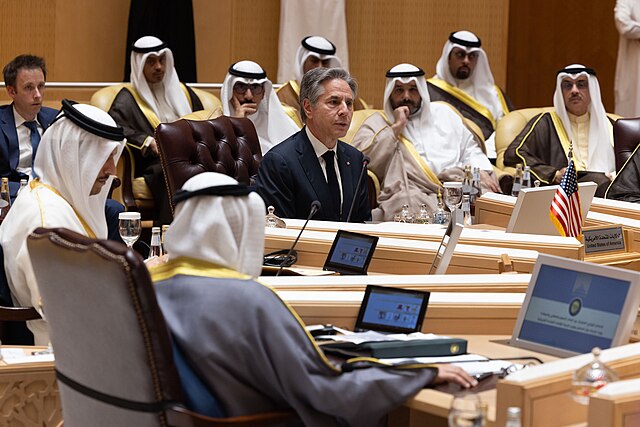
A historic shift The confrontation between the State of Israel and the Islamic Republic of Iran (IRI) in June 2025 marks an acceleration in the reshaping of the Middle Eastern strategic landscape set in motion by the October 7, 2023 attacks, heightening the long-standing concerns of the Arab Gulf states of being drawn into a […]
The Possible Impact of France’s Recognition of the State of Palestine: A Geopolitical and Legal Analysis
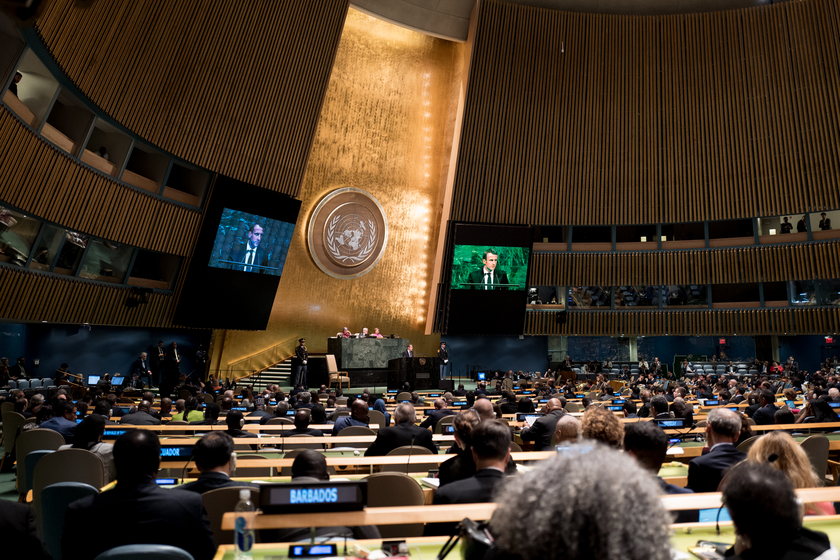
The announced recognition of the State of Palestine by France in September 2025 marks a major diplomatic turning point, at the intersection of international law and geopolitical balances. It responds to an unprecedented collective initiative and could revive the debate on the two-state solution, weakened by the war in Gaza and the expansion of Israeli settlements. Legally, Palestine partially meets the criteria of statehood but remains weakened by its internal divisions. International reactions are divided: categorical rejection by Israel and the United States, but enthusiastic support from the Palestinian side as well as several European and Arab countries. Between symbolic significance and strategic uncertainty, this French decision could reshape diplomatic dynamics without guaranteeing concrete progress on the ground.
The New Syrian Government: Balancing Stabilisation and Democratic Transition
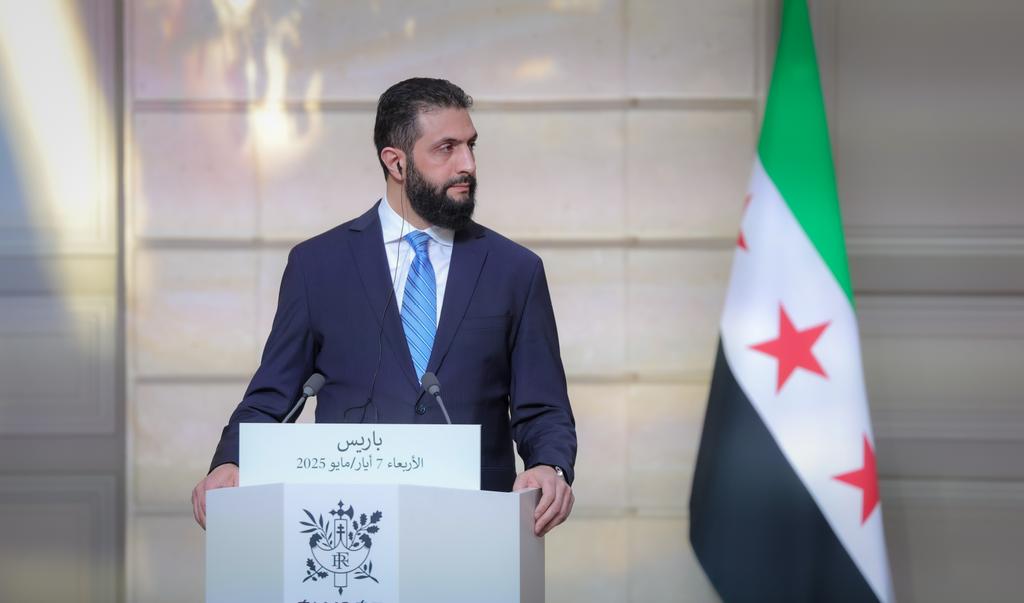
After the fall of the Assad dictatorship, Syria faces a power vacuum marked by sectarian violence and governance challenges, especially in Alawite and Druze regions. President Ahmad Al-Sharaa is pursuing a democratic transition through reforms and dialogue with various factions but struggles with internal conflicts and increasing foreign interference, notably from Israel. The transitional government’s limited inclusivity raises doubts about its true commitment to democratization. Despite these challenges, international support from countries like Qatar and France encourages progress toward stability and reconstruction. To succeed, Al-Sharaa must strengthen inclusive governance and implement economic and social reforms to prevent the country’s fragmentation.
The humanitarian situation in Gaza. Interview with Alexandre Chatillon
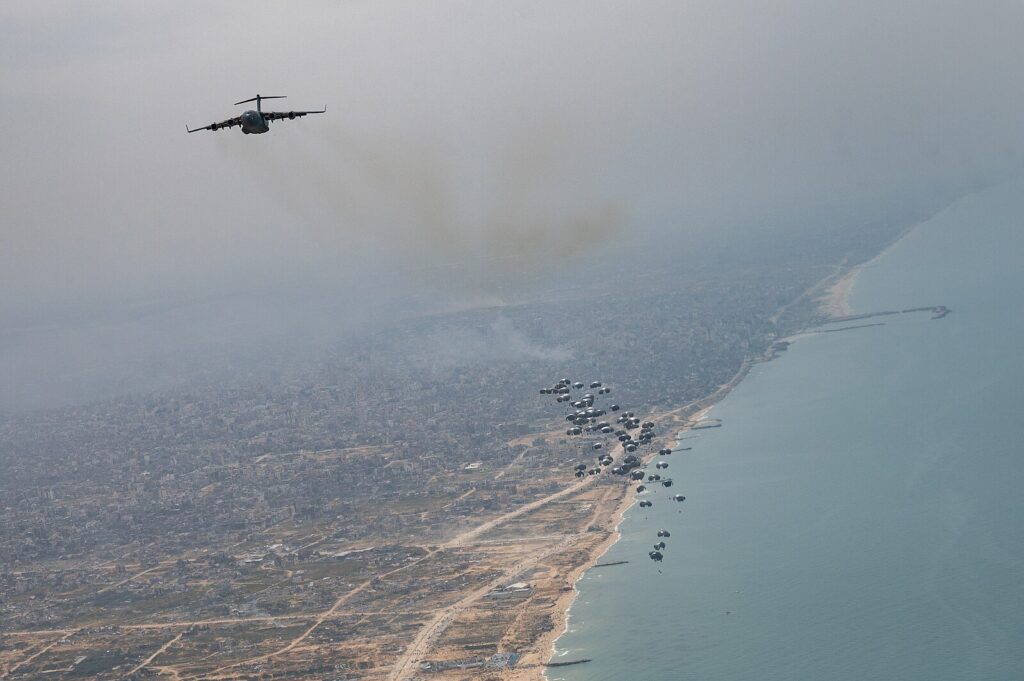
[Alexandre Chatillon] My name is Alexandre Chatillon. Four years ago, I co-founded, along with two others, the French NGO Super-Novae, which operates in crisis-affected areas. Our mission is to support young people living in particularly vulnerable environments. We are active in Libya, Yemen, Syria, Sudan, and Mayotte. Our work is driven by a strong conviction which […]
After the Twelve-Day War, is Iranian carpet diplomacy over?
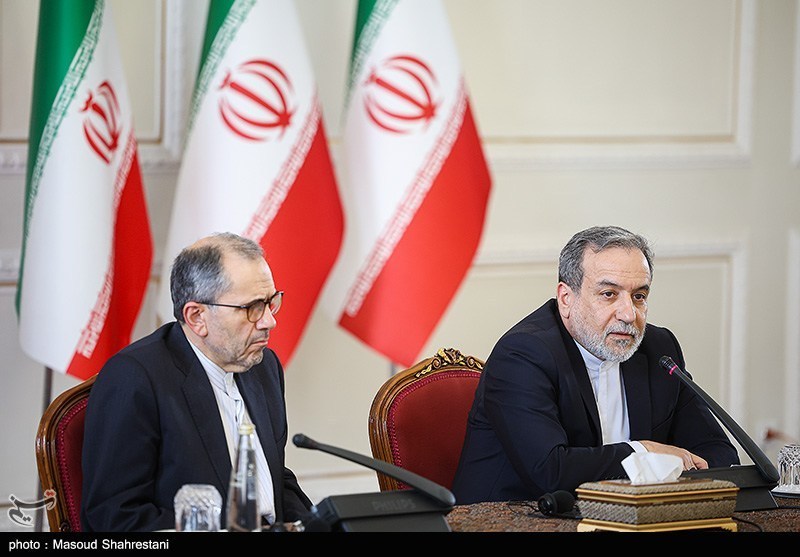
The military conflict between Israel and Iran, known as the Twelve-Day War, marked a major strategic turning point by shattering the illusion of an Iran protected by its deterrence doctrine. This war exposed Tehran’s strategic isolation, weakened its network of regional proxies, and called into question its traditional diplomacy, symbolized by the metaphor of the carpet. The failure to mobilize its allies highlighted the regime’s growing solitude in the face of a new regional architecture dominated by Israel and backed by the United States. This conflict is part of a broader context of proxy empire, where major powers avoid direct intervention. Iran now faces the urgent need to redefine its strategy to remain relevant in a rapidly shifting Middle East.