

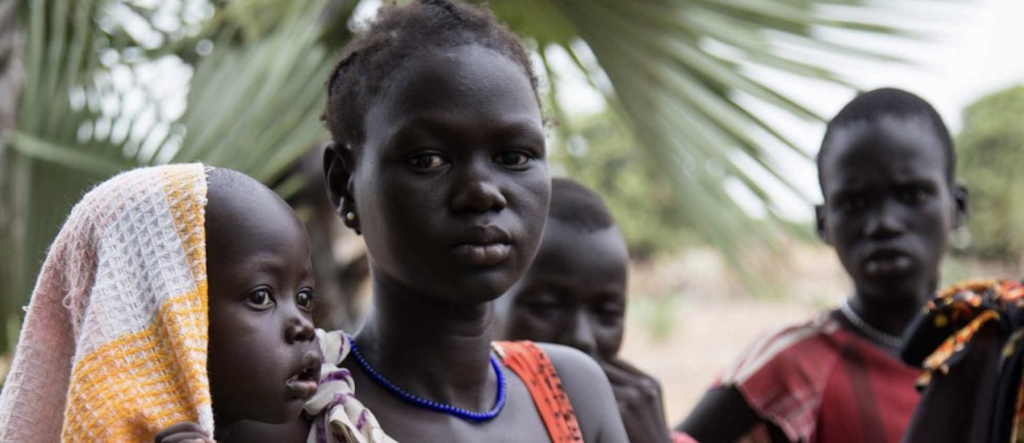

With a population of nearly 52 million, the Republic of Sudan is among the most ethnically and linguistically diverse countries in the world. Its population speaks more than four hundred languages and dialects and consists of approximately six hundred ethnic groups with multiple religious affiliations. While this diversity reflects a multiplicity of influences – from ancient Nubia and Christian kingdoms to the gradual Islamization of the territory and Mahdist Sudan – , Anglo-Egyptian colonial domination (1899–1956) ultimately imposed a heterogeneous cultural landscape. Bordering Egypt, the northern part of the country is today predominantly Muslim, while the south, more strongly shaped by British influence, has historically been home to Christian and animist minorities. While the current war, which erupted in April 2023, is rooted in a power struggle between two Sudanese military rivals, its persistence is largely linked to international support. Attracted by Sudan’s gold resources, foreign actors get involved in the conflict, notably through the supply of weapons in exchange for gold. In order to defend their interests in the region, they side with one of the belligerents, and in some cases, both.
Want to learn more about Sudan?