Actors in the conflict in Iran

Flag of Iran - Amundi

Author

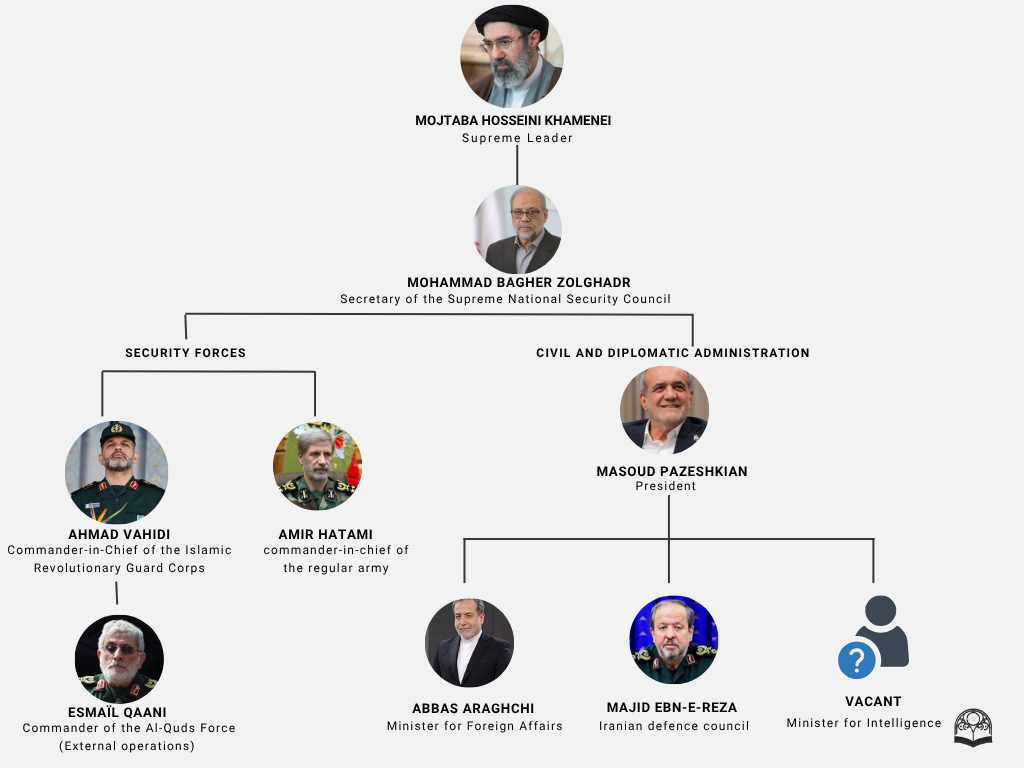
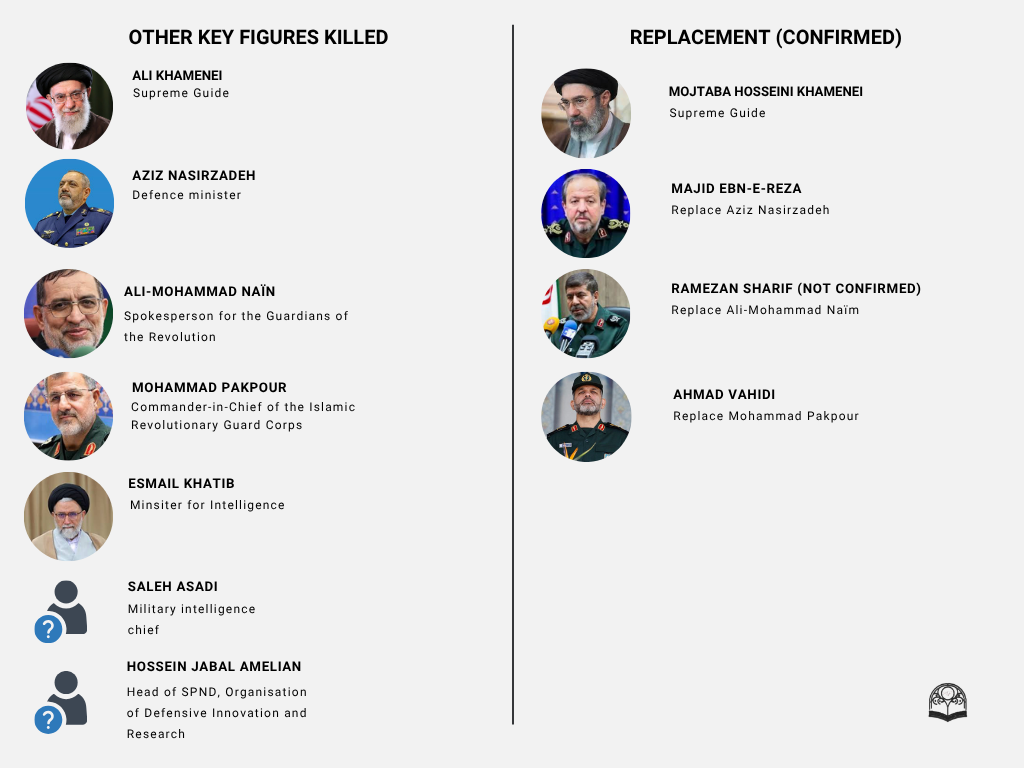
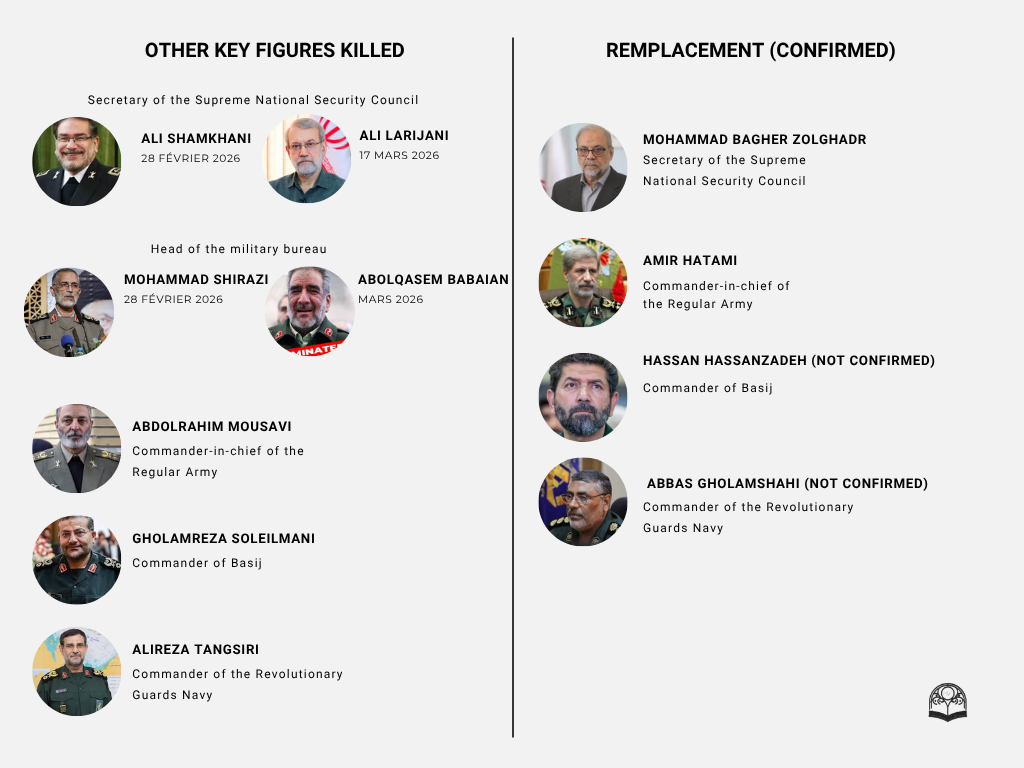
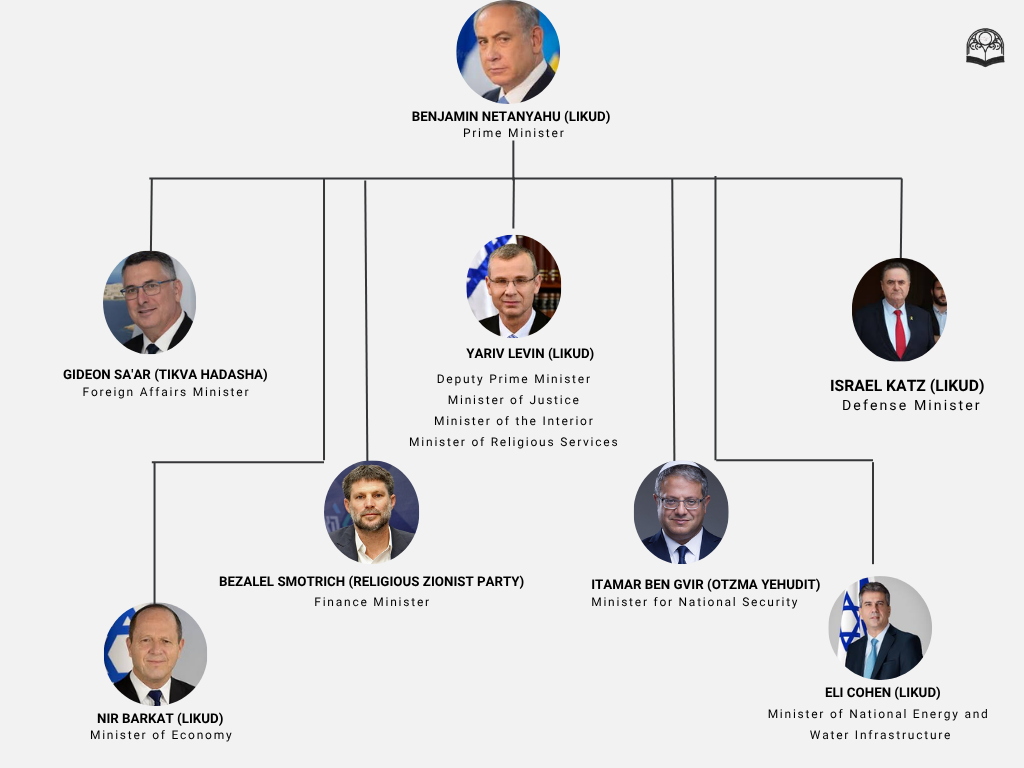
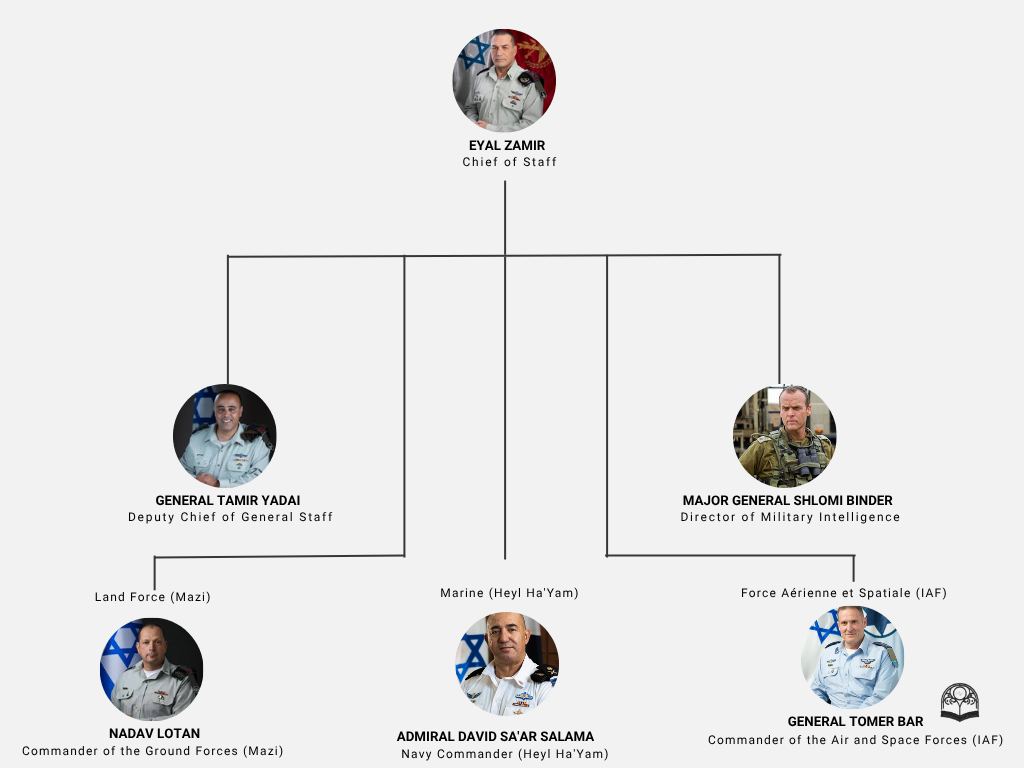
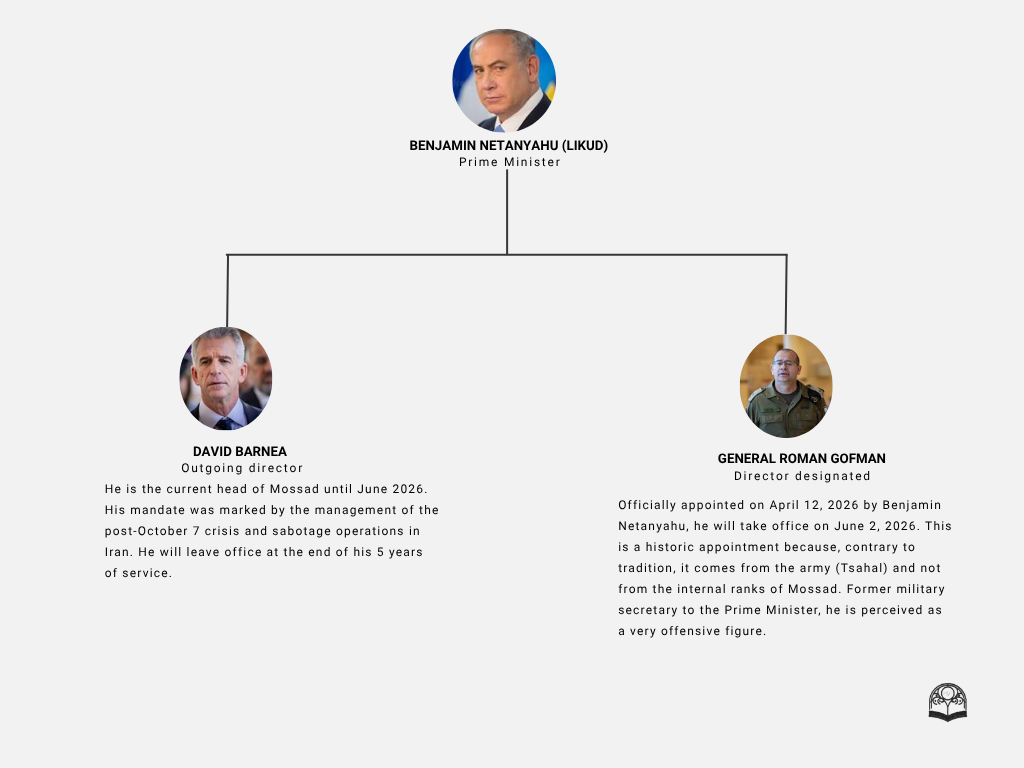
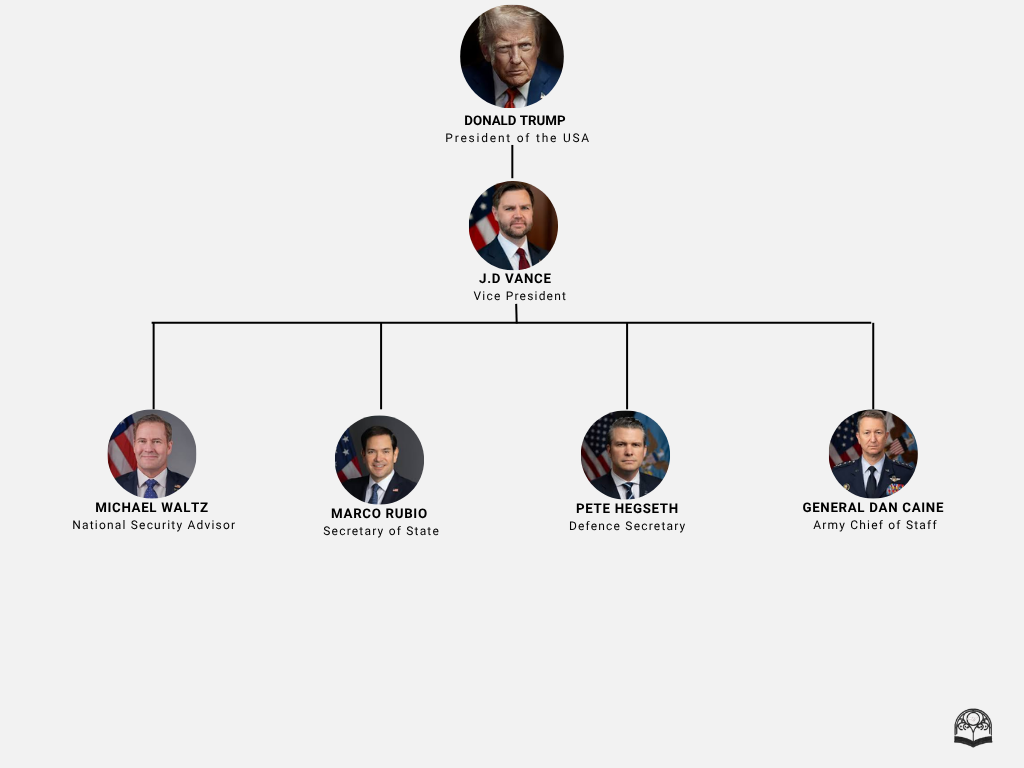
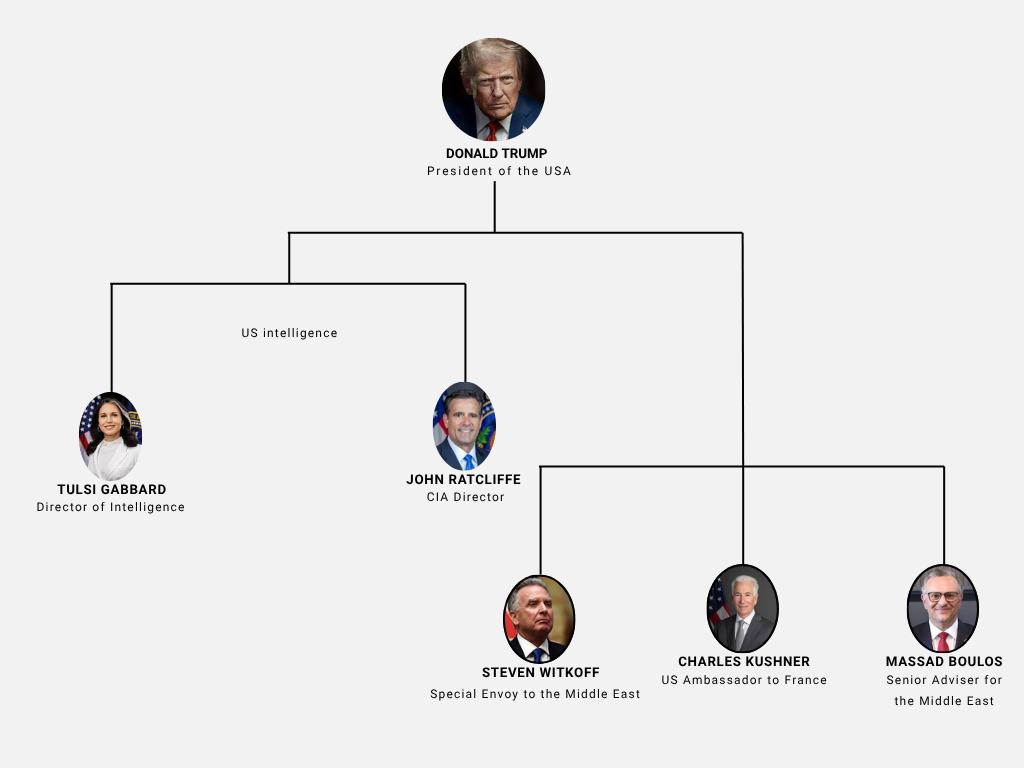
Given the ongoing regional and international deadlock, this overview is intended to help clarify the main actors involved in the conflict. 

Our team has compiled a list of key figures from the Iranian, American, and Israeli governments and regimes. (Be aware that with the ongoing dynamics, some information can change over time.)

Iran

Israel

United States of America

To cite this article: “Actors in the conflict in Iran” by Edgar de Barbeyrac, Maxime Lechat, EISMENA, 05/05/2026, [https://eismena.com/news/actors-in-the-conflict-in-iran/].

The information and opinion contained in the articles on the EISMENA website are solely those of the author(s) and do not engage the responsibility of the institute.

Share this article

“A Highly Symbolic Withdrawal”: What Changes as the Anti-ISIS Coalition’s Military Mission in Iraq Ends

INTERVIEW. As the international coalition’s military mission against Islamic State in Iraq officially comes to an end on September 30, Adel Bakawan, director of the European Institute for Middle East and North Africa Studies, examines the announced departure of American troops. Interview by Julie Malo. Published on September 30, 2026, at 5:00 p.m. in Le Point.

Read More »

Who is defending the Gulf region? Military integration and national sovereignty in the US-Israeli-Iranian war of 2026

On 28 February 2026, the United States and Israel launched a joint military campaign against Iran, whose subsequent strikes targeted all GCC states. While US commanders considered the regional air and missile defence network validated in combat, the GCC continued to call for greater military integration and completion of its joint ballistic missile alert system. This apparent gap reflects the architecture’s hybrid nature: national capabilities coexist with GCC mechanisms, bilateral agreements and US functions. Although information-sharing and operational coordination have improved, authority over forces and resources remains largely national. The system enhances immediate protection but creates dependencies on shared alerts, data, command, interceptors and maintenance. Its resilience therefore depends on sustaining these functions under prolonged, high-intensity consumption.

Read More »

Related Articles

“A Highly Symbolic Withdrawal”: What Changes as the Anti-ISIS Coalition’s Military Mission in Iraq Ends

EISMENA Staff

Iraq: The Difficult Task of Bringing Weapons Under State Control

Carole Massalsky

Who is defending the Gulf region? Military integration and national sovereignty in the US-Israeli-Iranian war of 2026

Tewfik Hamel

The Makkah Agreement for Joint Defence: Why Now, Why these Three, and What It Means for Pakistan?

Tehseen Fatima Syed, Aamira Bibi

Coercive Stabilisation and Sovereignty under Constraint: Egypt’s Strategy towards the War in Sudan

Yassine El Yattioui

The Houthi Presence in Iraq: From a Support Network to Operational Depth

Firas Elias