News

Follow key political, diplomatic and security developments across the Middle East and North Africa. Through articles, explainers and media commentary, EISMENA puts the news in context: what’s changed and why it matters.

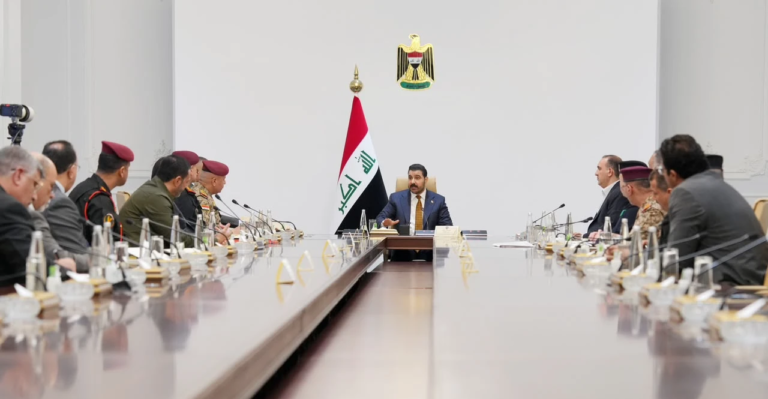
Jurf al-Sakhar: Ali al-Zaidi faces the military and economic power of Kata’ib Hezbollah

November 16, 2026

Adel Bakawan

In an interview with Kurdistan 24, on November 16, 2026, Dr. Adel Bakawan, Director of the European Institute for Studies on the Middle East and North Africa (EISMENA), described Jurf al-Sakhar as one of the first tests of credibility facing Iraqi Prime Minister Ali al-Zaidi’s gouvernement. Beyond the question of the return of approximately 129,000 people displaced since 2014, the research portrays a territory under the effective control of Kata’ib Hezbollah, where military infrastructure, clandestine prisons and parallel economic activities would constitute major obstacles to the exercise of state authority. His analysis highlights the gap between the Prime Minister’s constitutional powers and the balance of power underpinning Iraq’s political system.

Could Coalition Withdrawal Increase or Reduce Threats to Iraqi Kurdistan?

November 5, 2026

Wladimir van Wilgenburg

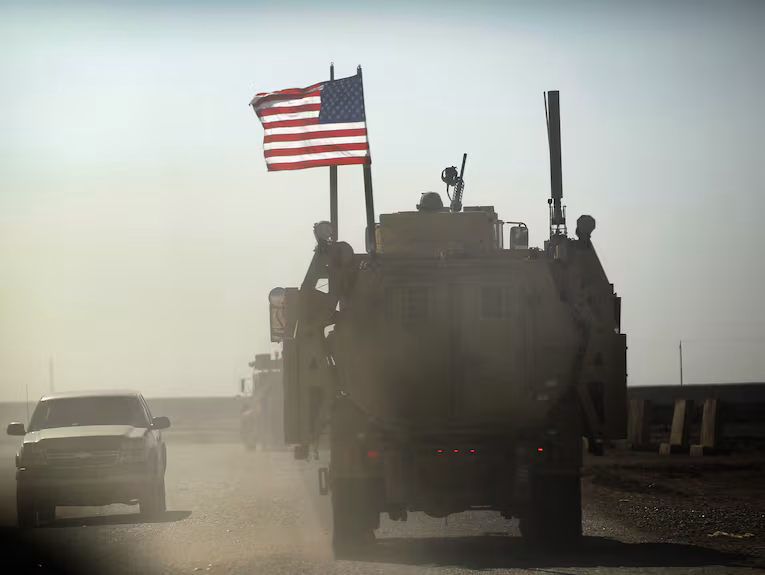
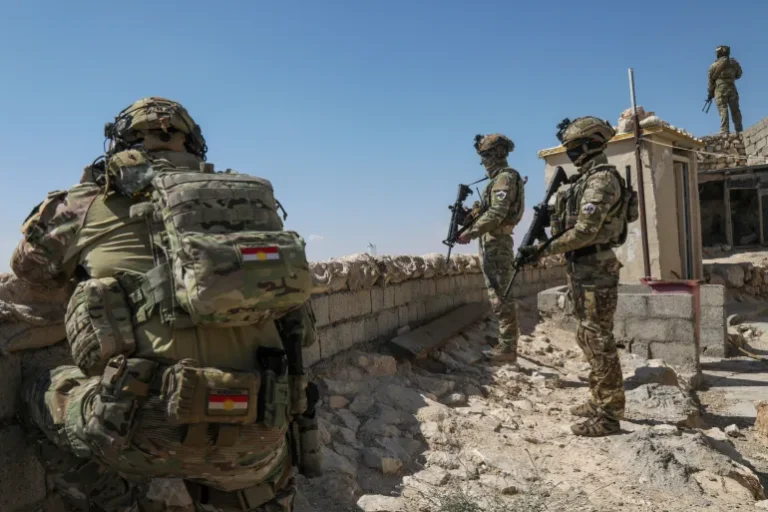
The full withdrawal of the U.S.-led Coalition on September 30 poses risks and new possibilities for the Kurdistan Region to improve relations with Iran. Until today, Iran has continued drone strikes in the Kurdistan Region, targeting Iranian Kurdish parties. The lack of air defenses and the failure by Baghdad so far to disarm Iranian-backed Iraqi armed factions, as previously promised by Baghdad, also expose the Kurdistan Region to risks. At the same time, the Coalition withdrawal gives Iran less excuses to attack the Kurdistan Region, and the Iraqi Kurds have also suggested to Iran to launch a peace process with Iranian Kurds to reduce Iranian attacks. The Coalition withdrawal makes Erbil more dependent on its relation with Baghdad and on its neighbours.

Can Israel’s Opposition Overcome Its Divisions to Oust Netanyahu?

October 30, 2026

Adel Bakawan

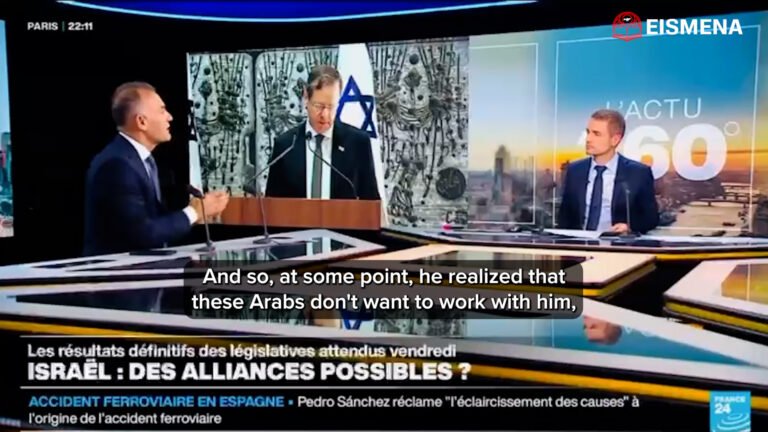
Speaking on France 24 on the 29th of October 2026, EISMENA Director Adel Bakawan examines the growing political influence of Arab citizens of Israel and their potential role in determining the next government.

Netanyahu or Eisenkot: Different Leaders, Same Strategy?

October 29, 2026

Adel Bakawan

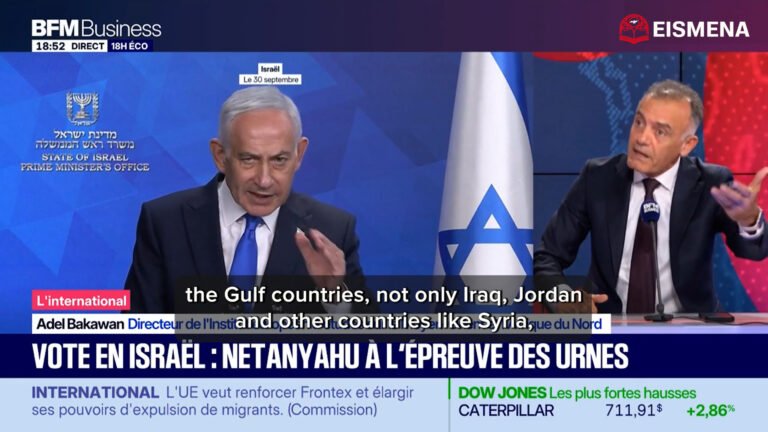
Speaking on BFM Business on 27 October 2026, EISMENA Director Adel Bakawan examines what Israel’s elections could mean for the wider Middle East.

What Keeps the US and Israel Together?

October 26, 2026

Adel Bakawan

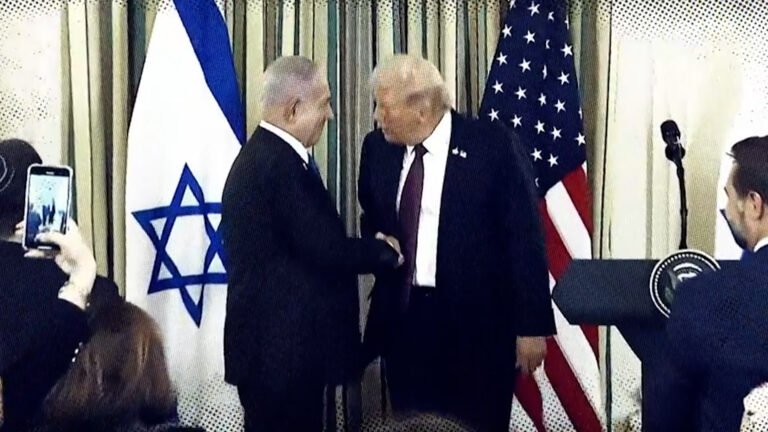
Speaking on ARTE, EISMENA Director Adel Bakawan examines Israeli distrust of Donald Trump’s handling of the war with Iran. Despite changing political calculations, he argues that the military, intelligence and diplomatic ties binding the US and Israel make a rupture unaffordable for both sides.

What Does the Gulf Want From France in Return for Its Energy?

October 22, 2026

Adel Bakawan

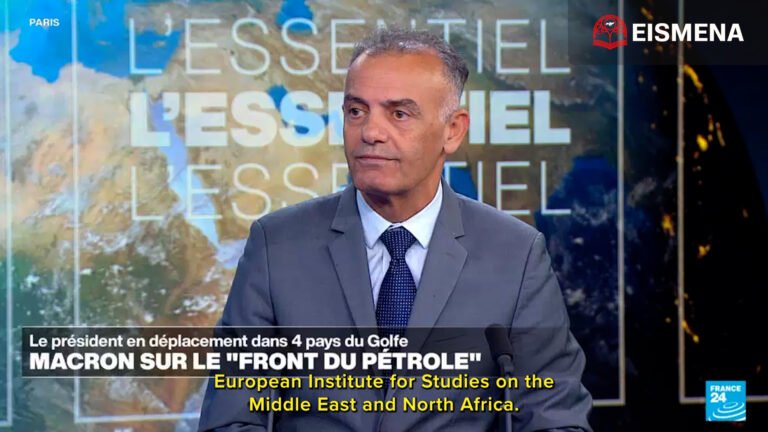
Speaking on France 24 on 19 October 2026, EISMENA Director Adel Bakawan explains the Gulf states’ demand for reciprocity: Europe may seek their oil and gas, but it must help secure the Strait of Hormuz and Bab el-Mandeb. He argues that France and the EU possess significant diplomatic and economic leverage—yet have failed to translate it into concrete action.

Yemen and Saudi Arabia: Renewed Strikes and the Risk of Regional Escalation

October 15, 2026

Lyna Ouandjeli

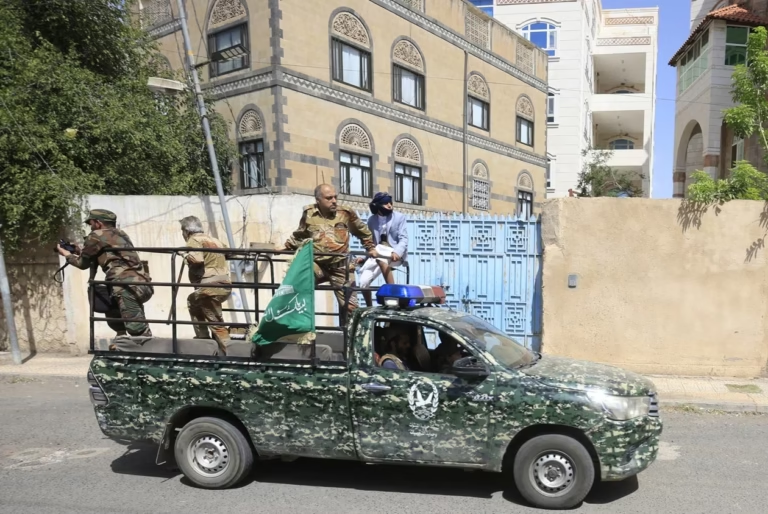
The expansion of attacks to Saudi civilian, aviation and energy infrastructure demonstrates the Houthis’ ability to exert direct pressure on Saudi territory, despite the Kingdom’s military capabilities and air defence systems. For Riyadh, the stakes now extend beyond the security of its southern border. They encompass the protection of energy infrastructure, freedom of navigation in the Red Sea and the Bab el-Mandeb Strait, and the credibility of the economic diversification strategy championed by Mohammed bin Salman. However, international support remains primarily defensive. American reluctance to participate directly in operations against the Houthis, combined with the limitations of its partners’ commitments, leaves Saudi Arabia facing a dilemma: intensify its response at the risk of widening the conflict, or prioritise de-escalation, which could be interpreted as a strategic retreat.
Hormuz, the Houthis and Iran’s Global Economic Leverage

October 13, 2026

Adel Bakawan

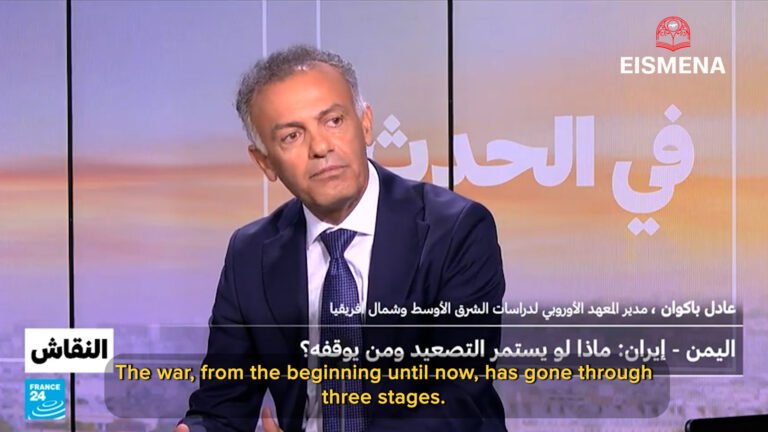
EISMENA Director, Adel Bakawan invited to speak on France 24 to share his analysis that failed military action and diplomacy have pushed the US–Iran conflict into a third phase: economic warfare. As Washington increases pressure on Tehran and Iran leverages strategic maritime chokepoints, the consequences are being felt worldwide—with no clear winner in sight.

“A Highly Symbolic Withdrawal”: What Changes as the Anti-ISIS Coalition’s Military Mission in Iraq Ends

October 2, 2026

INTERVIEW. As the international coalition’s military mission against Islamic State in Iraq officially comes to an end on September 30, Adel Bakawan, director of the European Institute for Middle East and North Africa Studies, examines the announced departure of American troops. Interview by Julie Malo. Published on September 30, 2026, at 5:00 p.m. in Le Point.

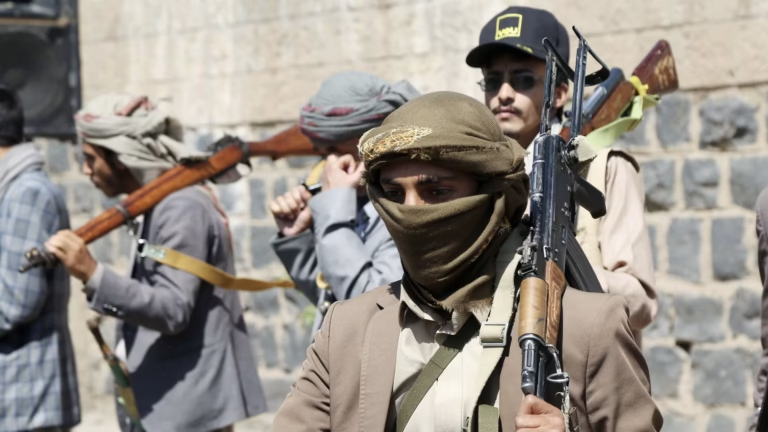
Houthis Take Control of the Bab el-Mandeb Strait: 5 Questions to Understand the Situation in Yemen 

September 16, 2026

Jérémy Breton

Following the Houthis’ seizure of the Bab el-Mandeb Strait on 11 September 2026, with the support of the Islamic Republic of Iran, the region and the global economy are facing renewed upheaval. Dr Adel Bakawan answers five questions to shed light on the current situation in Yemen. This interview for Ouest-France was conducted by journalist Jérémy Breton.