

Iraq: The Difficult Task of Bringing Weapons Under State Control
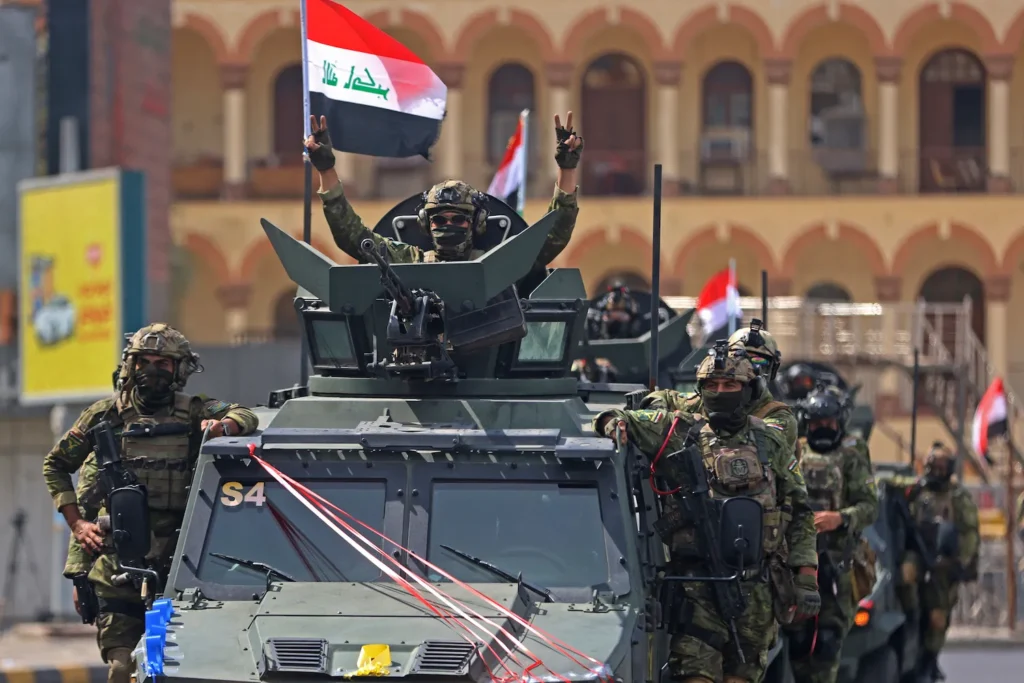
Like its predecessors, the government of Ali Falih al-Zaidi has included in its programme the fight against corruption, economic and banking reforms, energy, water, and economic diversification. Among its 139 priorities is also a particularly sensitive objective: bringing weapons under state authority and unifying security decision-making. Although this issue is not new, it took on […]
Who is defending the Gulf region? Military integration and national sovereignty in the US-Israeli-Iranian war of 2026
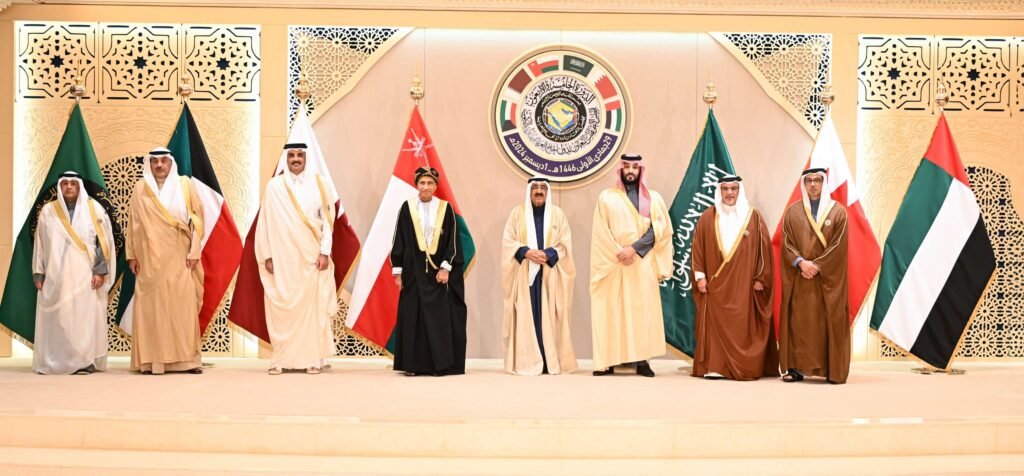
On 28 February 2026, the United States and Israel launched a joint military campaign against Iran, whose subsequent strikes targeted all GCC states. While US commanders considered the regional air and missile defence network validated in combat, the GCC continued to call for greater military integration and completion of its joint ballistic missile alert system. This apparent gap reflects the architecture’s hybrid nature: national capabilities coexist with GCC mechanisms, bilateral agreements and US functions. Although information-sharing and operational coordination have improved, authority over forces and resources remains largely national. The system enhances immediate protection but creates dependencies on shared alerts, data, command, interceptors and maintenance. Its resilience therefore depends on sustaining these functions under prolonged, high-intensity consumption.
The Houthi Presence in Iraq: From a Support Network to Operational Depth
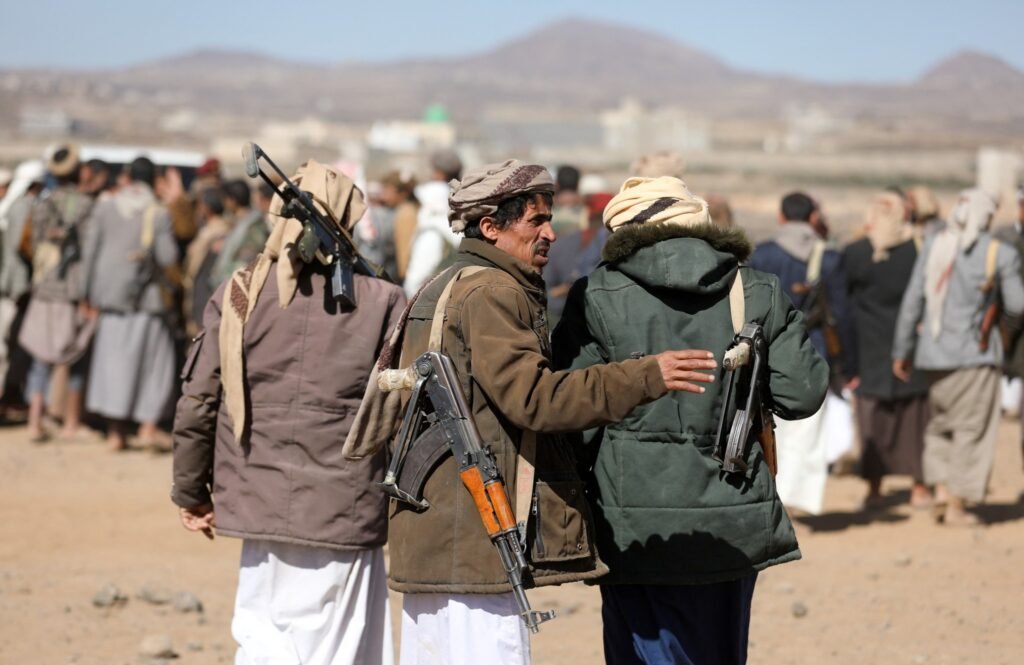
Dr Firas Elias conducted a particularly in-depth investigation into the presence of Yemen’s Houthis in Iraq, focusing notably on their presence and activities, networks, modes of operation, missions, as well as their training arrangements and military cooperation mechanisms. Originally written in Arabic, this article provides a synthesis of this unique investigation, based largely on first-hand information gathered in the field. It thus offers unprecedented insight into how the Houthi presence in Iraq has been structured and how it has evolved.
Houthis Take Control of the Bab el-Mandeb Strait: 5 Questions to Understand the Situation in Yemen
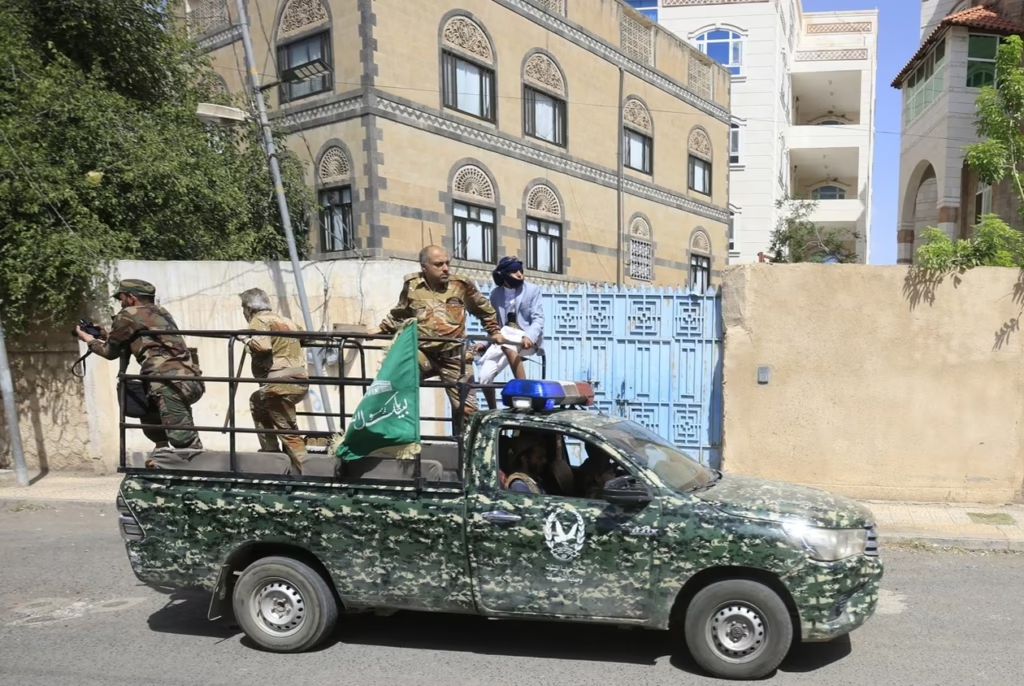
Following the Houthis’ seizure of the Bab el-Mandeb Strait on 11 September 2026, with the support of the Islamic Republic of Iran, the region and the global economy are facing renewed upheaval. Dr Adel Bakawan answers five questions to shed light on the current situation in Yemen. This interview for Ouest-France was conducted by journalist Jérémy Breton.
Syria: The Disarmament of the Kurds, or the End of Rojava Era
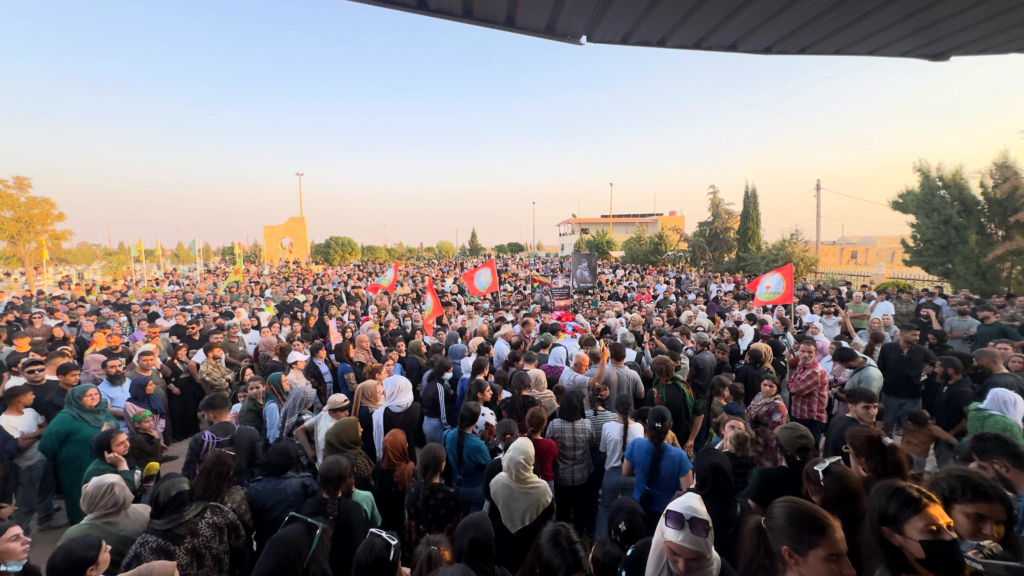
This article examines the content of the compromise reached between Damascus and the Syrian Kurds, its implication for the regional balance – Turkey, the United-States, Israel, and the peace process with the PKK – and places it within the long-term context of the Kurdish question, comparing it to the far more institutionalised but as fragile trajectory of Iraqi Kurdistan, whose structural vulnerability, despite thirty years of constitutional autonomy, has been highlighted by Adel Bakawan. Finally, this article considers what the end of the Rojava era might mean for the future of the Kurdish national movement as a whole.