

Unpredictable Leadership and Mutual Distrust Threaten U.S.-Iran Nuclear Rapprochement: Interview with F. Gregory Gause III
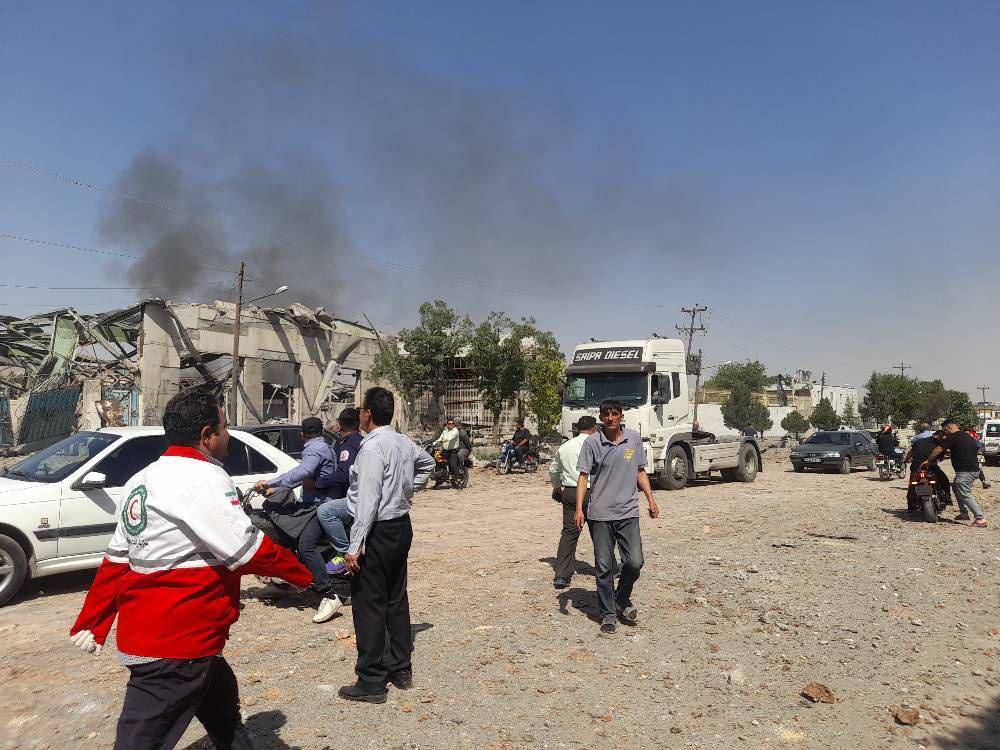
This interview was conducted at the beginning of June. Following the events of June 13, certain sections have been updated and footnotes added to reflect recent developments. Nevertheless, the original transcription captures the prevailing sense of uncertainty in the region and the potential for military escalation in the event of renewed tensions. The conversation explores the conditions that had allowed for a relatively cordial dialogue between the United States and Iran on the nuclear issue. However, as emphasized throughout the interview, uncertainty remains not only in the regional dynamics but also in the evolving and ambiguous role of the United States.
Israel-Iran: The Shadow of a War under American Surveillance
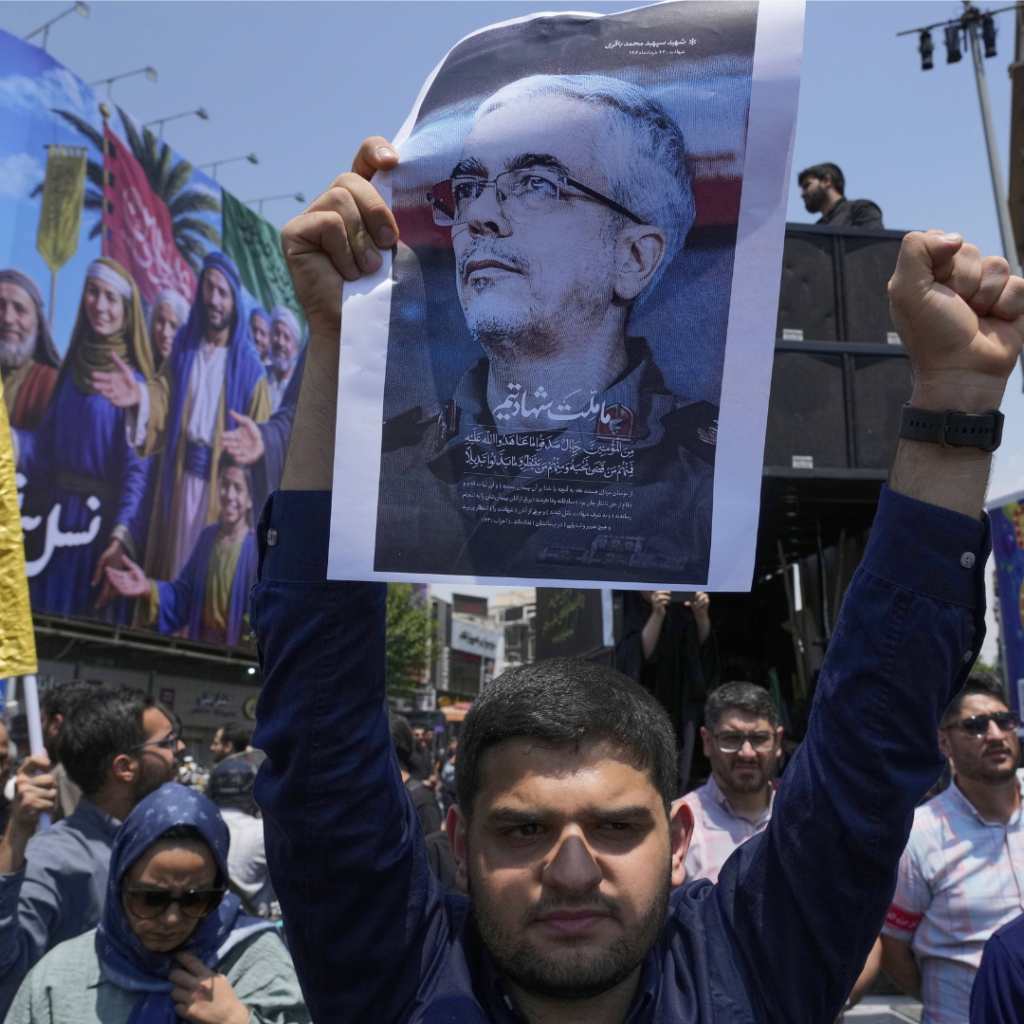
This article analyzes the intensifying confrontation between Israel and Iran in the wake of the June 13, 2025 Israeli strikes on Iranian territory.
Iraq’s poll after two decades of ‘democracy’?
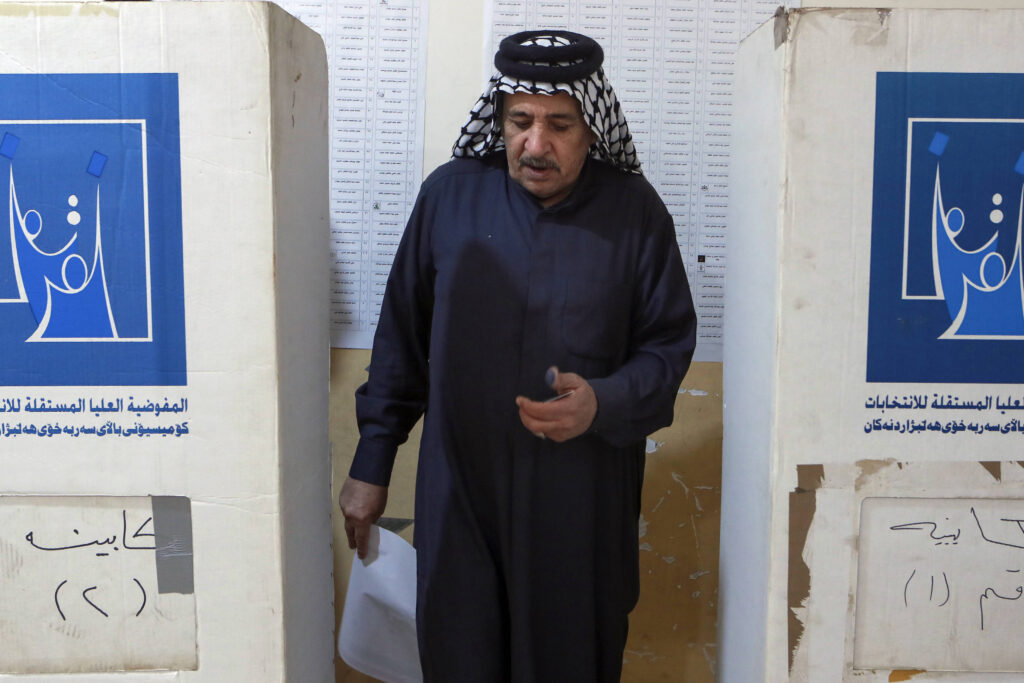
In this article, Sardar Aziz analyses the fragile state of democracy in Iraq twenty years after the first post-dictatorship election in 2005.
Iran’s Strategic Outlook on U.S. Relations in a Shifting Middle East
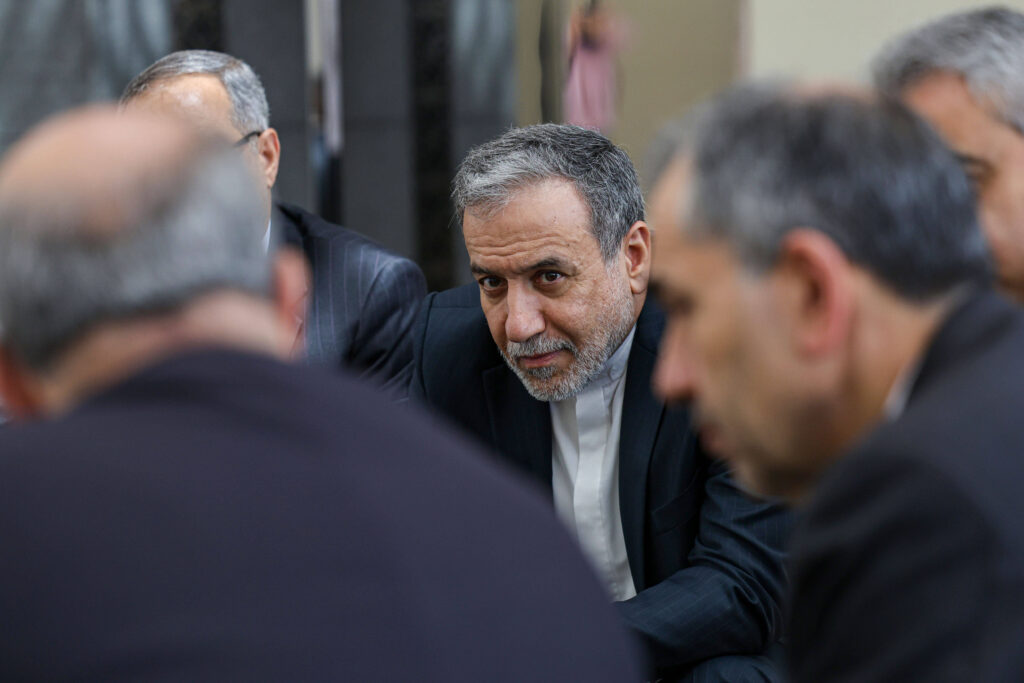
This article examines the evolving dynamics of the U.S.-Iran relations in light of recent geopolitical shifts, particularly after October 7, 2023.
Diplomacy put to the test in the Middle East: Interview with Rony Brauman
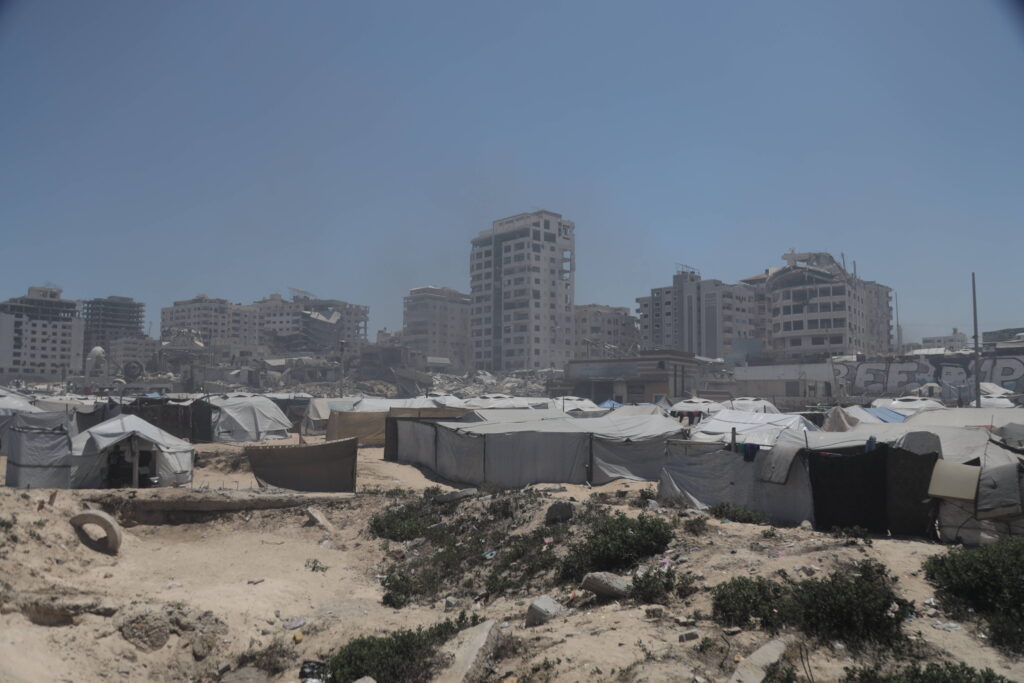
[Lyna Ouandjeli] My first question is pretty broad: to what extent could Israel’s growing diplomatic isolation, particularly in Western Europe, influence the evolution of the Israeli-Palestinian conflict in the short and medium term? By diplomatic isolation, I mean in particular the recent recognition of the Palestinian state by several countries like Ireland and Spain, as […]