

The Israeli Sphere since October 7, 2023 : Discussion with Denis Bauchard
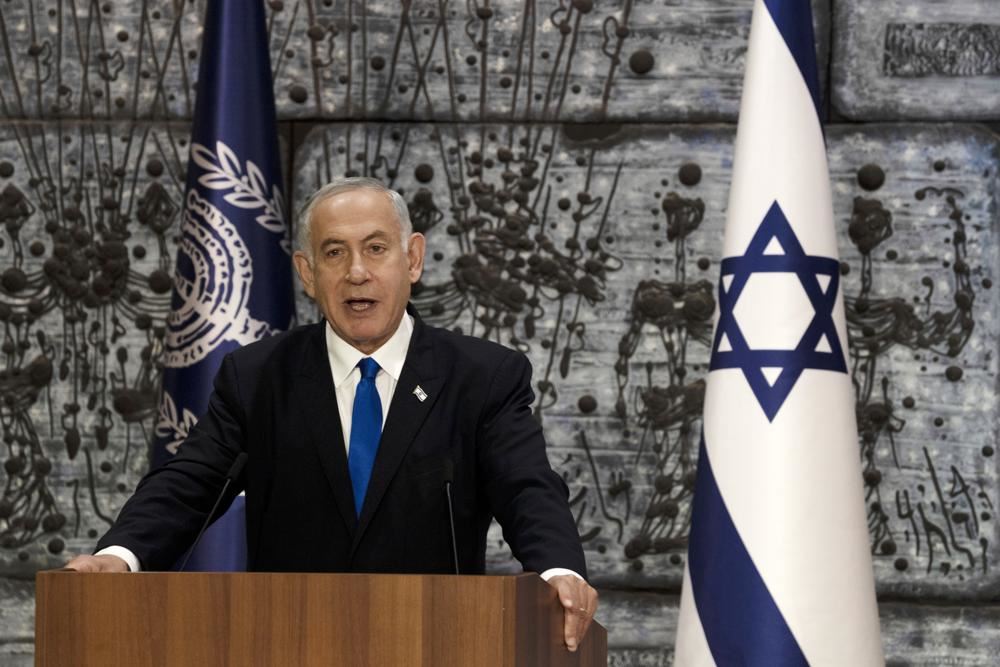
The Middle East is in a state of “wars.” According to Benjamin Netanyahu, Israel is engaged in warfare on seven fronts: 1. Gaza 2. The West Bank 3. Lebanon 4. Syria 5. Iran 6. Yemen 7. Iraq. These fronts are not all equally active. Some are in turmoil, while others remain relatively calm (for example, […]
The Fall of Bashar al-Assad: What Are the Consequences for Shiite Iraq?
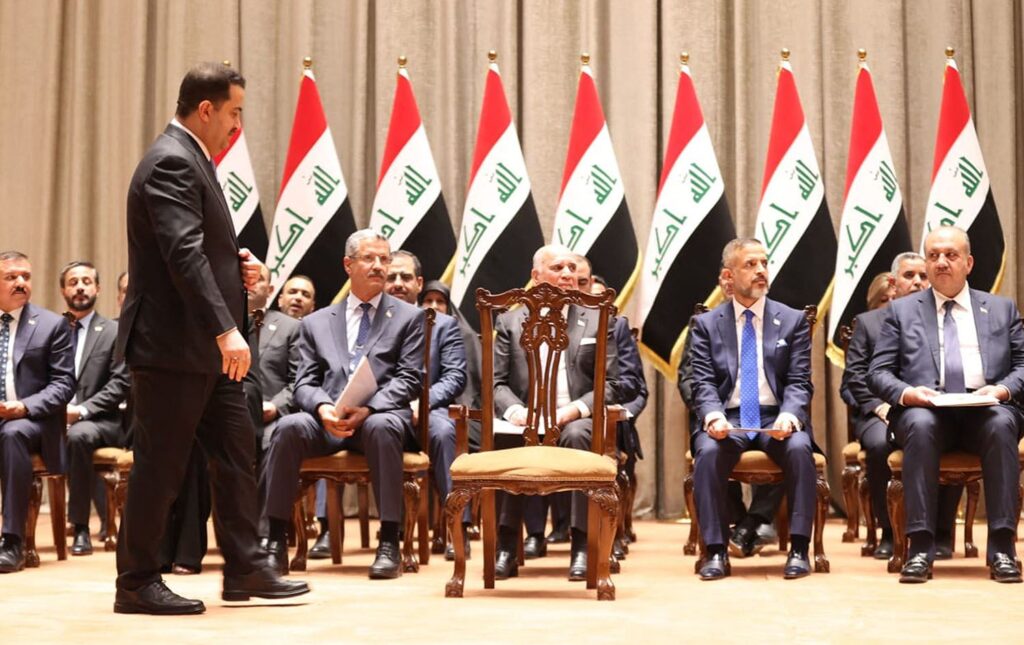
Article of Dr. Adel Bakawan for Diplomatie edition 132
The Turkish and Kurdish Sphere since October 7, 2023: Interview with Hamit Bozarslan
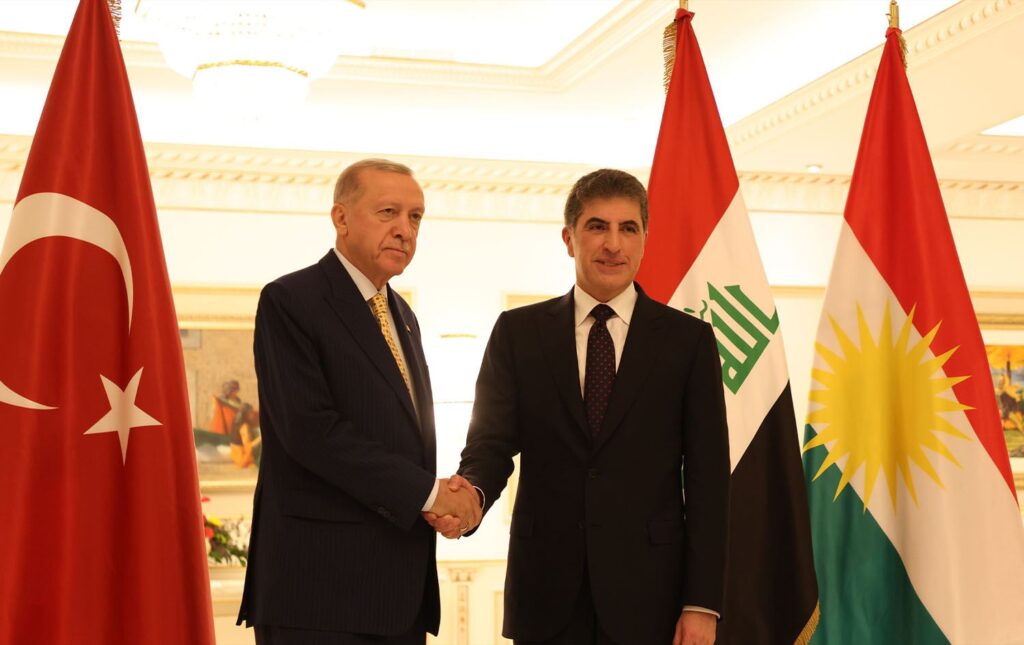
[Lyna Ouandjeli] Thank you very much for taking the time for this interview. I will strive to distinguish between the Turkish and Kurdish spaces based on the elements you have provided. However, I have nonetheless addressed the Kurdish space to some extent, as it is difficult to completely separate these two dynamics, particularly in light […]
After Ekrem Imamoğlu’s Arrest, the Future of Democracy in Turkey Is at Stake
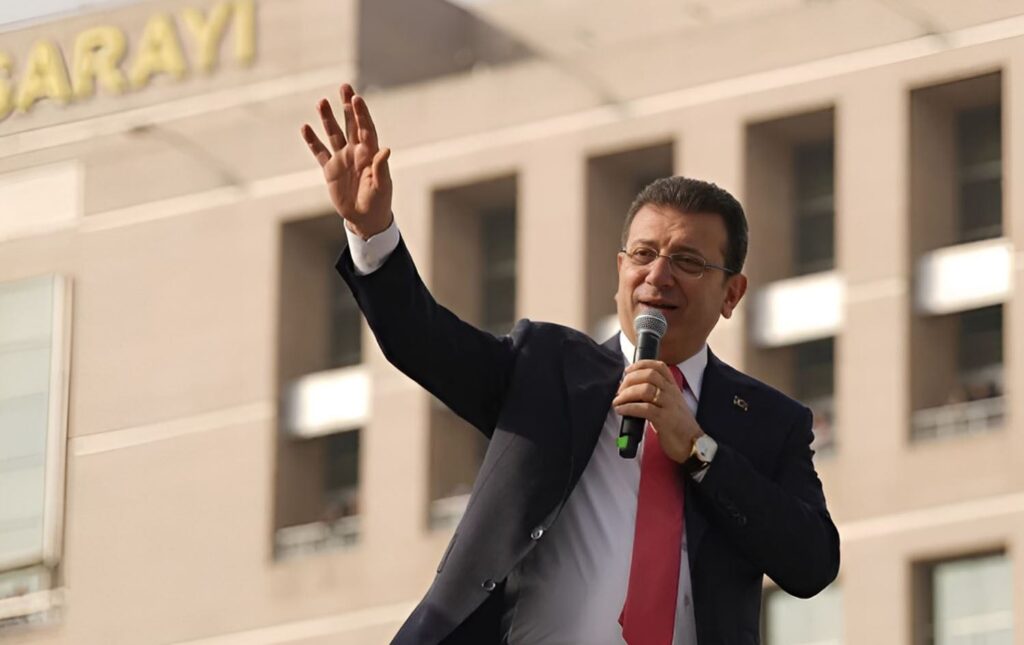
The arrest of Ekrem Imamoğlu marks a turning point in Turkey’s political landscape, highlighting the ruling AKP’s growing authoritarianism. With the opposition gaining strength, economic turmoil worsening, and public protests escalating, Erdoğan faces a critical challenge to his legitimacy. Meanwhile, the Kurdish question remains pivotal, as their stance could influence the opposition’s unity. On the international stage, shifting alliances, particularly with the U.S. and EU, play a role in Ankara’s strategic calculations. As the crisis unfolds, the future of democracy in Turkey hangs in the balance.
The Persian Sphere since October 7, 2023: Interview with Bernard Hourcade
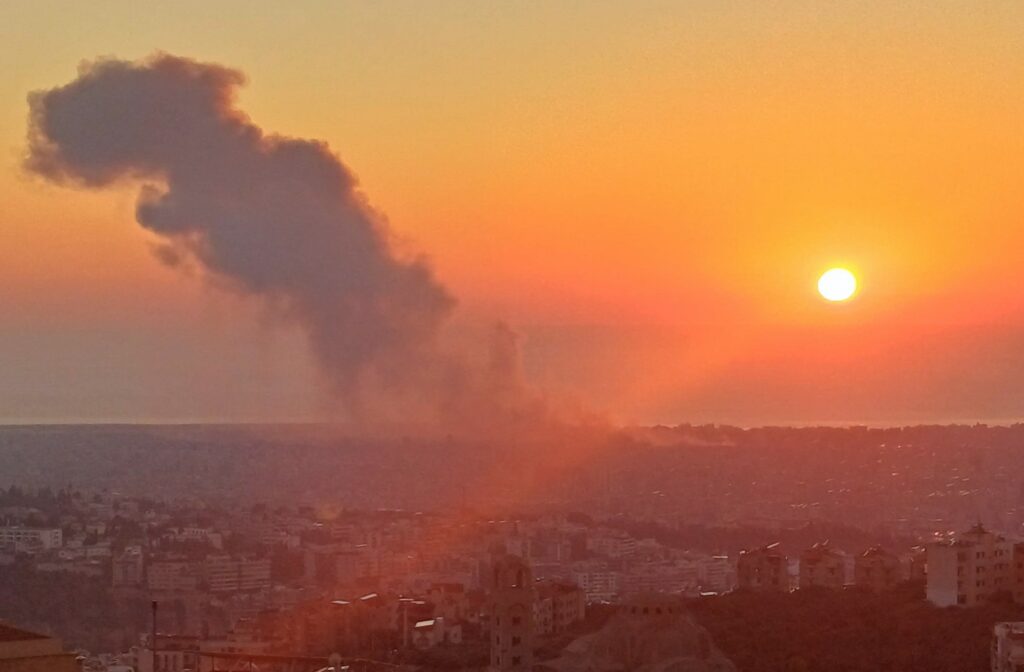
[Lyna Ouandjeli] To set the context for our discussion, we will look at Iran’s position in response to the evolving situation in the Middle East after October 7, 2023. This date marked a major shift in the region, especially with the Israel-Hamas conflict[1]. These changes have led regional players, including Iran, to adjust their strategies. […]