

November 25, 2025: Why the International Day for the Elimination of Violence against Women Resonates So Strongly in Turkey
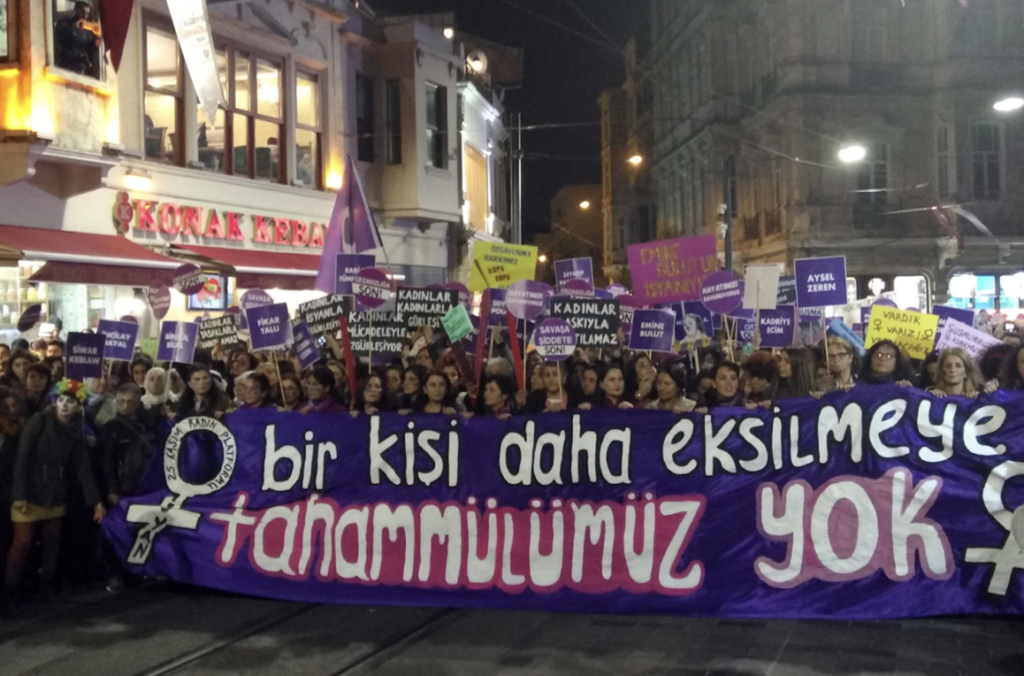
At the OECD level, Turkey stands out as one of the countries most affected by violence against women. On the occasion of November 25, the International Day for the Elimination of Violence against Women, it becomes necessary to understand why this date resonates so strongly in the country. Since its withdrawal from the Istanbul Convention […]
Iran After Oct 7, the “Shia Crescent” and the “Axis of Resistance” interview with Vali Nasr
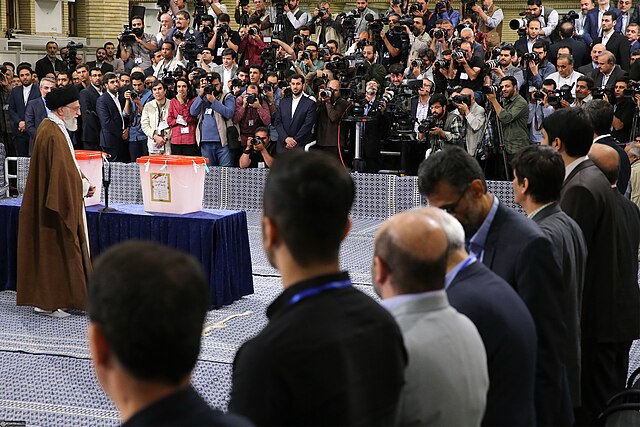
[Vali Nasr] I am Vali Nasr, Majid Khaddouri Professor of International Affairs and Middle East Studies at Johns Hopkins University School of Advanced International Studies (SAIS) in Washington, D.C. My research focuses primarily on the politics, societies, and dynamics of the Middle East. [Lyna Ouandjeli] To frame our discussion, I would like to focus on […]
From Strategic Partnership to Geopolitical Rivalry: The Evolution of Turkish–Israeli Relations in the Syrian Arena
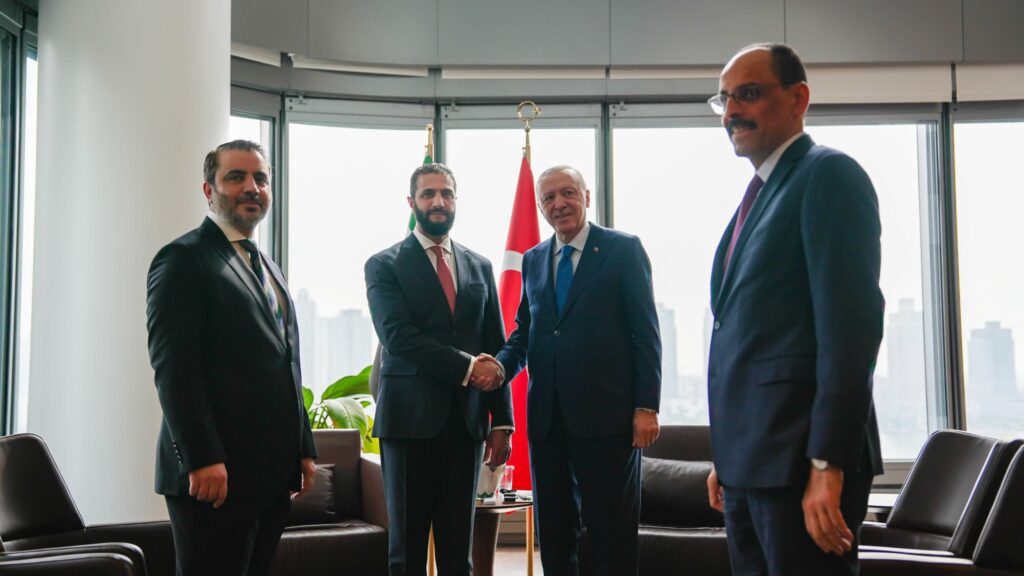
This article was written by Dr. Saad Salloum, Professor of Political Science at Al-Mustansiriya University and Dr. Adil Sukran, Iraqi diplomat and expert on Turkish affairs
Why Regime Change in Iran Wasn’t on the Table: Washington’s Calculated Caution?
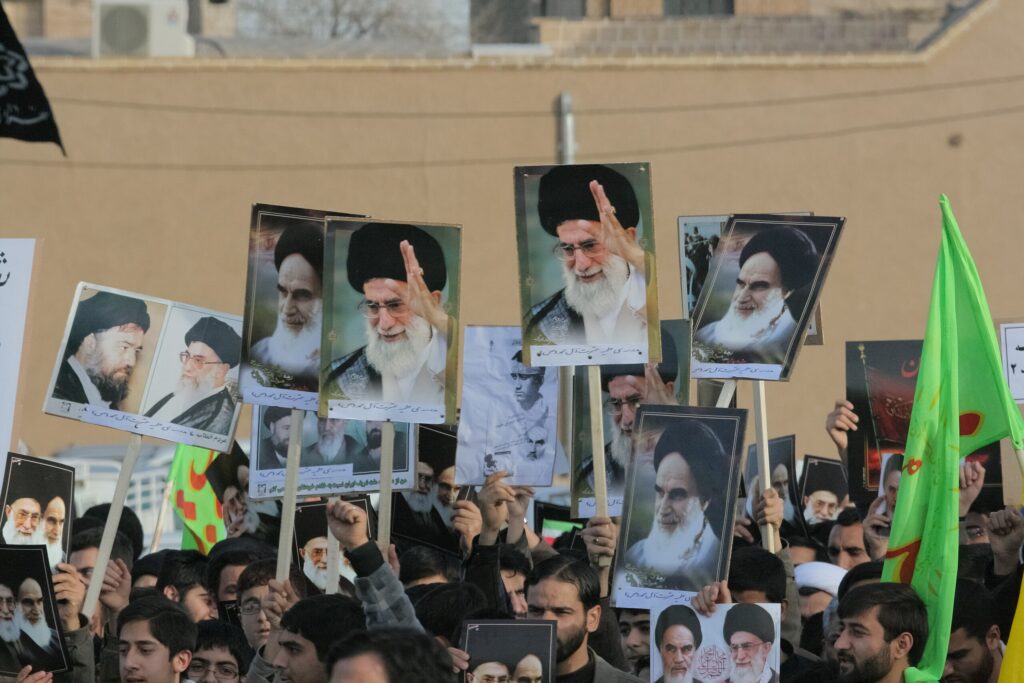
Despite the upheaval and uncertainty surrounding the recent “12-Day War” between Iran and Israel, a central question remains: why did neither the United States (U.S.) nor Israel adopt regime change in Iran as an explicit objective, despite widespread expectations to the contrary? This analysis addresses that question. Since the Islamic Republic’s establishment in 1979, the 12-Day […]
What Does Mark Savaya Reveal About the Iraqi-American Relationship?
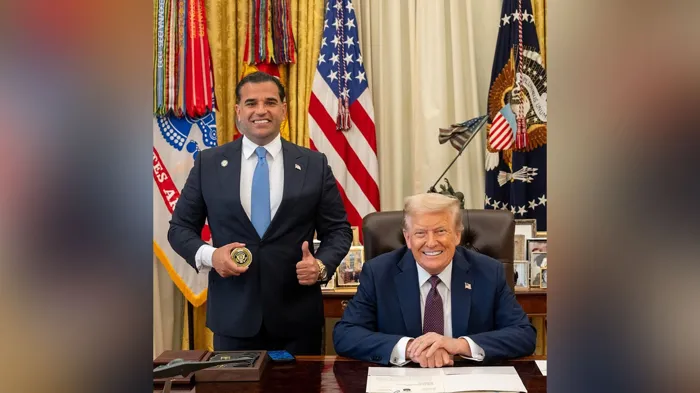
The appointment of Mark Savaya as U.S. Special Envoy to Iraq in October 2025 reflects an effort by the Trump administration to reinforce Iraqi–American relations amid regional instability. Officially aimed at supporting Iraq’s stability and reconstruction, it also signals a U.S. intention to counter Iran-linked Shiite militias. While Savaya’s Iraqi background has drawn attention, questions remain about whether his role can genuinely rebuild trust and sovereignty or instead reflects continued U.S. influence, highlighting broader shifts in Iraq–U.S. relations.