

Post-election Iraq: Internal Reconfigurations and U.S.–Iran Rivalries
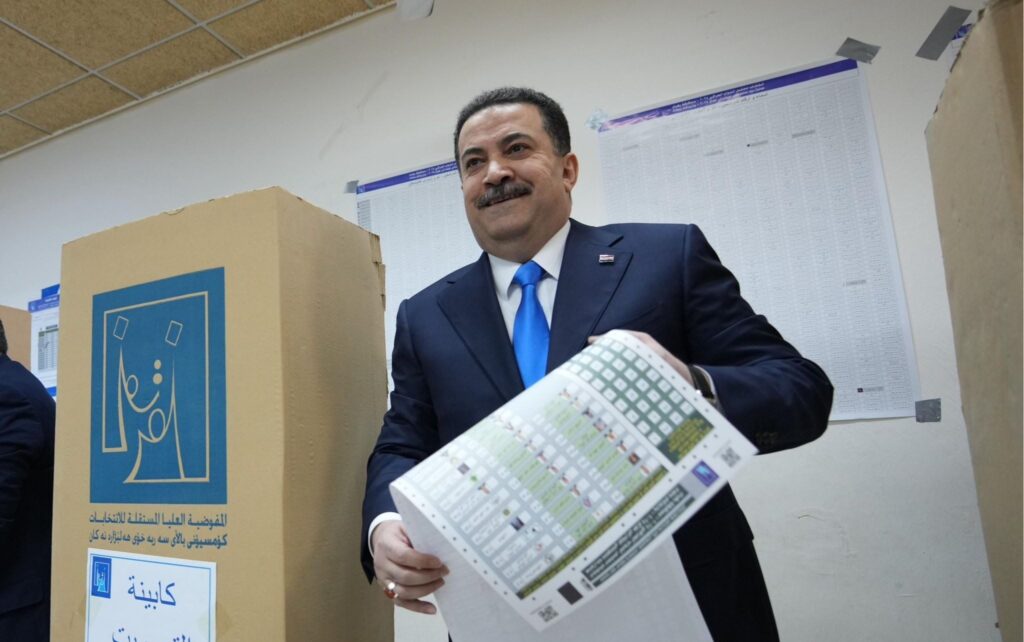
Outgoing Prime Minister al-Sudani Between a Positive Record and Political Fragility While his Coalition for Reconstruction and Development (Al-Ima’ar wal-Tanmiya) came out ahead in terms of seats, Mohammed Shia al-Sudani is seeking a second term as prime minister. Iraqi society certainly nourishes deep mistrust toward the state and its political elites, regularly accused of poor […]
The consequences of triggering the Snapback mechanism on Iran: a return to square one or the chronicle of a foretold collapse?
“I pray to God that I never come to know the economy,” a statement attributed to Mahmoud Ahmadinejad in 2007, President of Iran (2005–2009). “Those who view the economy as the foundation of everything consider Man as an animal. […] The foundation of an animal is its economy. […] The foundation of a donkey is also its economy,” remarks […]
Turkey: Internal Challenges and International Ambitions
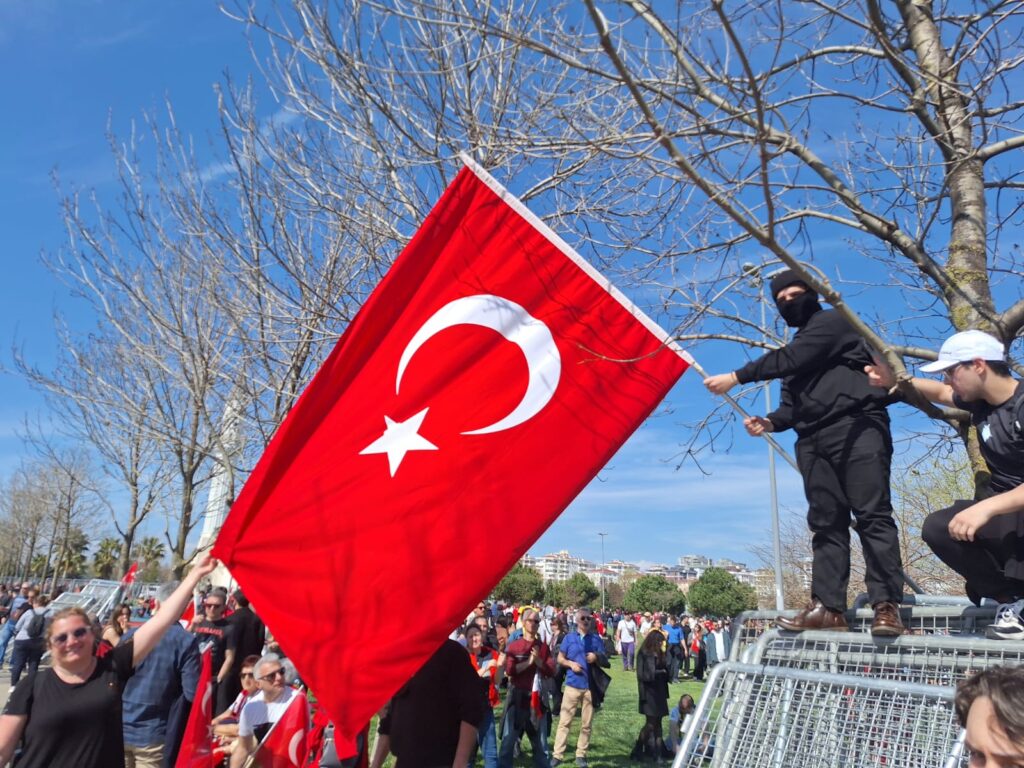
At the end of 2024, Turkey entered a complex process, often difficult to decipher: in autumn, Ankara suddenly initiated an attempt to find a political solution to the Kurdish question. Far from being a fleeting or illusory effort, within a few months, this initiative led to the dissolution of the PKK, after its leader, Abdullah […]
Iraqi Elections of November 11, 2025: Political Continuity and Internal Challenges Amid Rising International Pressures
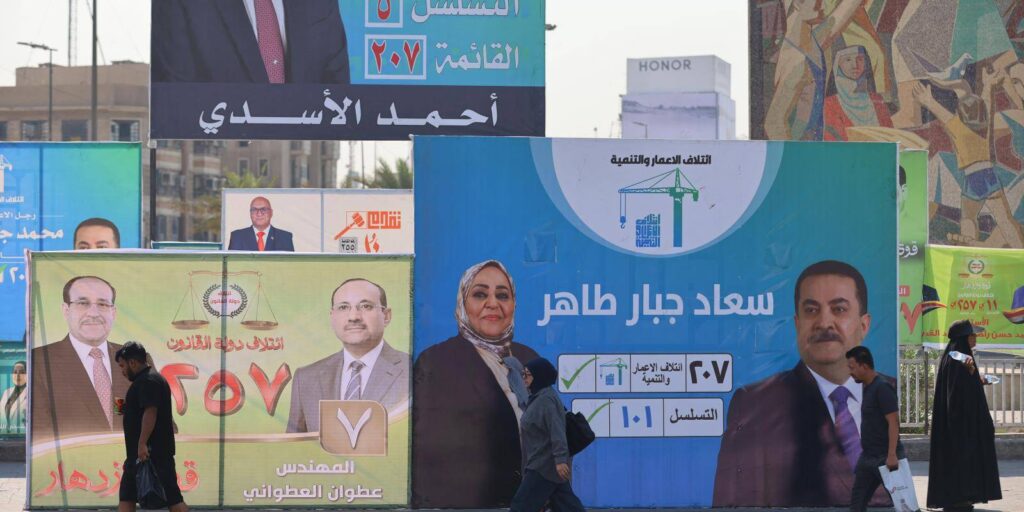
Results and Context On Tuesday, November 11, 2025, Iraq held its sixth democratic parliamentary elections since the fall of Saddam Hussein in 2003. The Shiite list Coalition for Reconstruction and Development (Al-Ima’ar wal Tanmiya), led by Prime Minister Mohammed Shia al-Sudani, came first in eight provinces, including Baghdad and Najaf, consolidating its base within Shiite Iraq. This […]
The Economic Situation in Iraq and Its Implications for the 2025 Parliamentary Elections
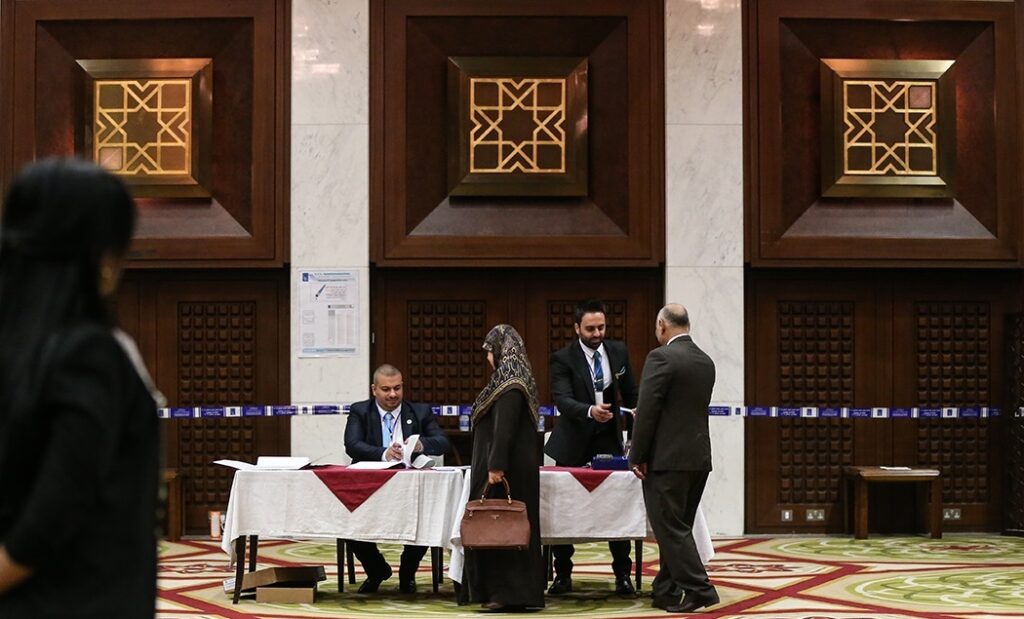
Introduction Iraq is undergoing a highly complex political and economic phase as the parliamentary elections scheduled for November 2025 approach. While the elections represent a pivotal juncture in reshaping the political landscape, the deteriorating economic conditions cast a heavy shadow on voters’ choices and the positions of political forces. Studying the relationship between the economy […]