

Country Sheet – Sudan
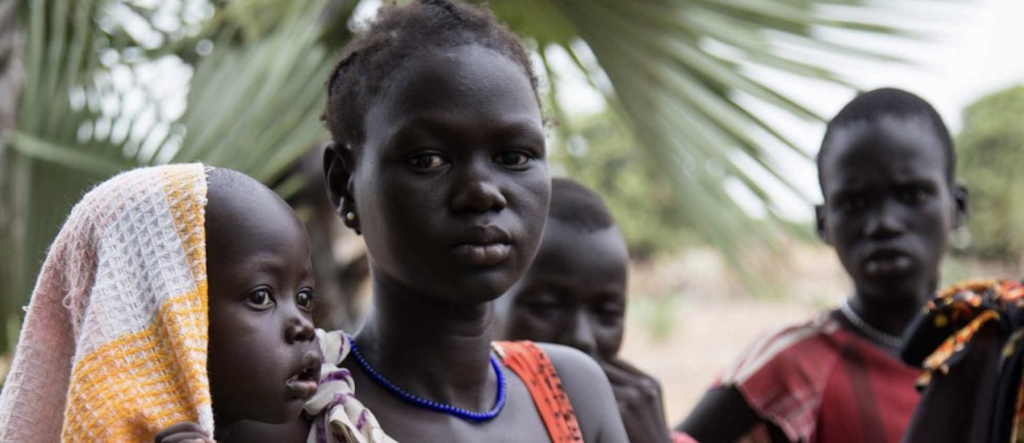
This country sheet on Sudan was prepared and written by Héloïse Liebenberg (intern at EISMENA) and edited by Lyna Ouandjeli (Researcher and Head of Projects).
Morocco–Israel: Five Years of Normalization in Troubled Waters
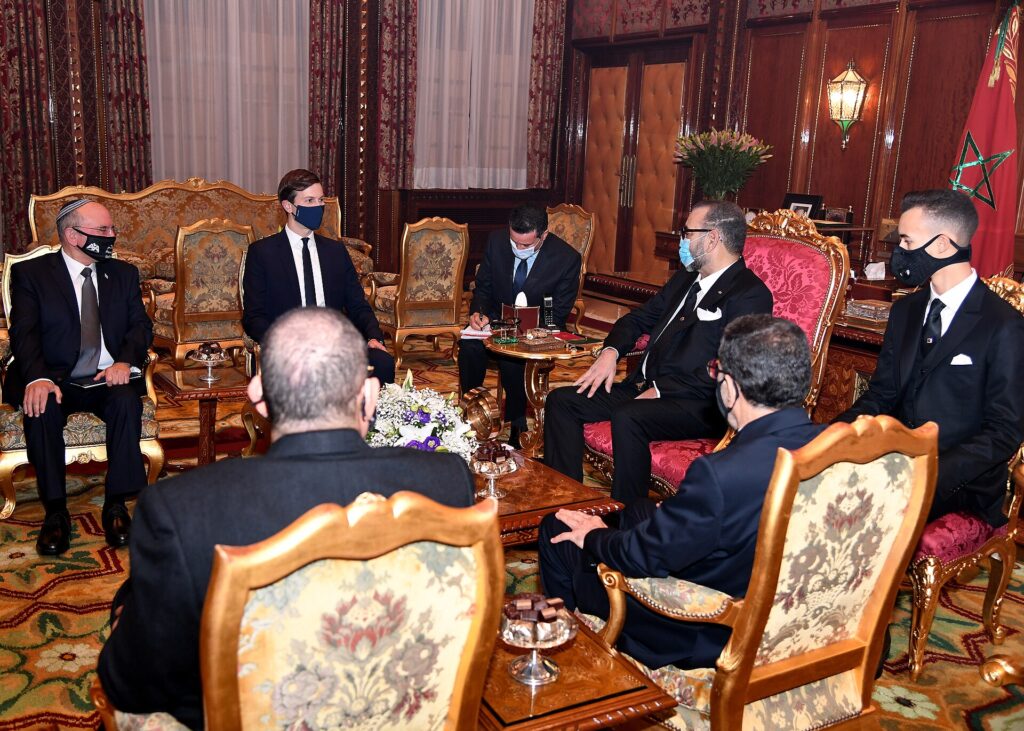
December 22, 2025 marked the fifth anniversary of the signing of the Tripartite Declaration between Morocco, the United States, and Israel, which inaugurated Israeli–Moroccan normalization. The weekend preceding this anniversary, several demonstrations opposing the Abraham Accords erupted in around ten Moroccan cities, including Rabat, Tetouan, Tangier, and Meknes. Despite its unpopularity among part of the […]
Fragmented Libya: The Reign of Militias
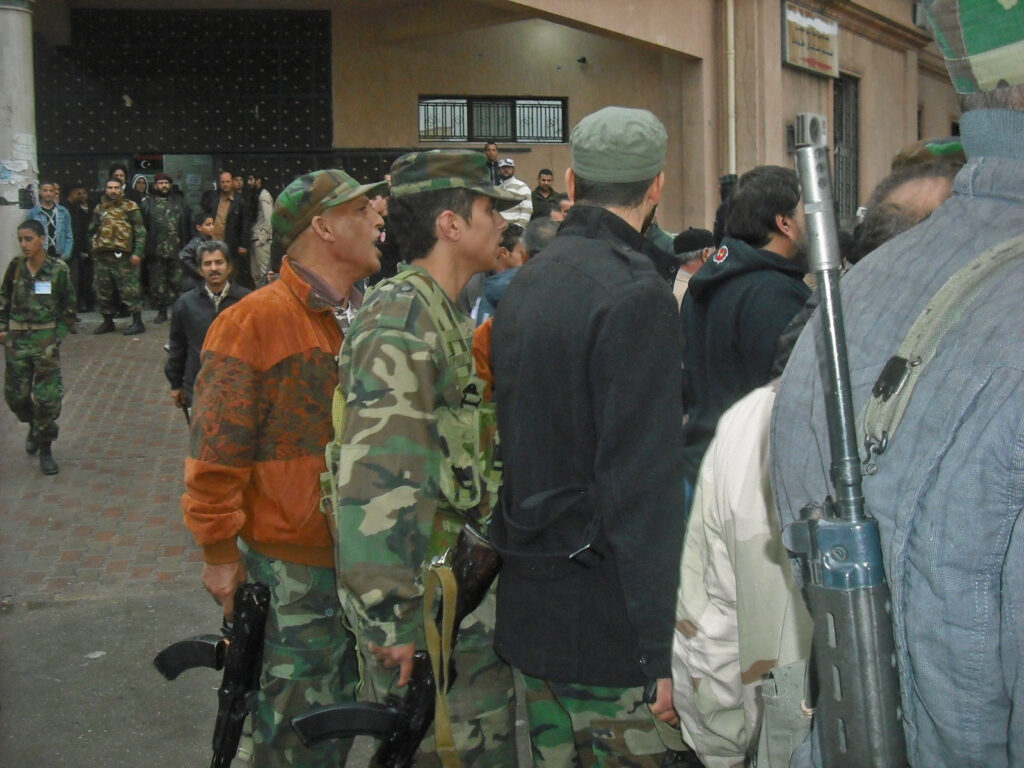
For more than a decade, Libya has appeared to have become a state without a state, where violence and economic power lie in the hands of armed groups rather than the government. Since the fall of the Gaddafi regime in 2011, the collapse of military and security institutions has facilitated the emergence of local or […]
The origins of the conflicts in Western Sahara
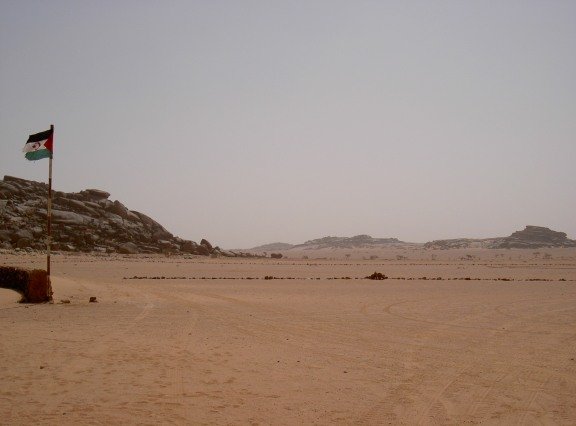
October 31, 2025, marked a turning point in the fifty-year-long conflict over Western Sahara, involving Morocco, the Polisario Front, and Algeria. The UN Security Council adopted Resolution 2797, which establishes the Moroccan autonomy plan as the normative framework for resolving the conflict. The resolution endorses the Moroccan initiative, which includes administrative autonomy for the territory […]
State Violence and the Erasure of the Other during the French colonisation of Algeria and the colonisation of Libya by Italy
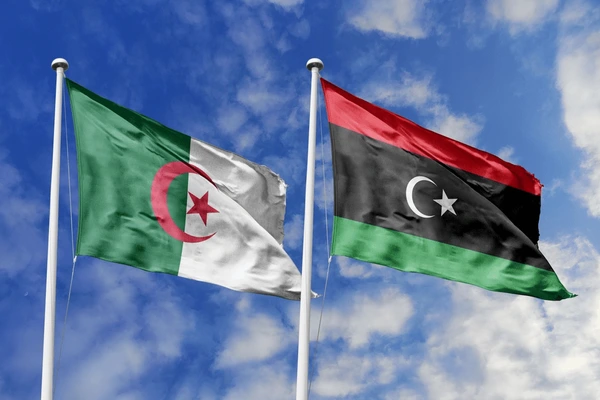
Contemporary history is marked by recurring forms of state violence, perpetrated in the name of sovereignty, security, or progress. Such violence, often legitimized through discourses of order or exceptional legal frameworks, takes multiple forms – military occupation, mass repression, ethnic cleansing, and genocide – yet all share a common logic: the elimination or neutralization of […]