
Rewarded Either Way: Morocco, the EU and the Paradox of Border Externalisation after Ceuta
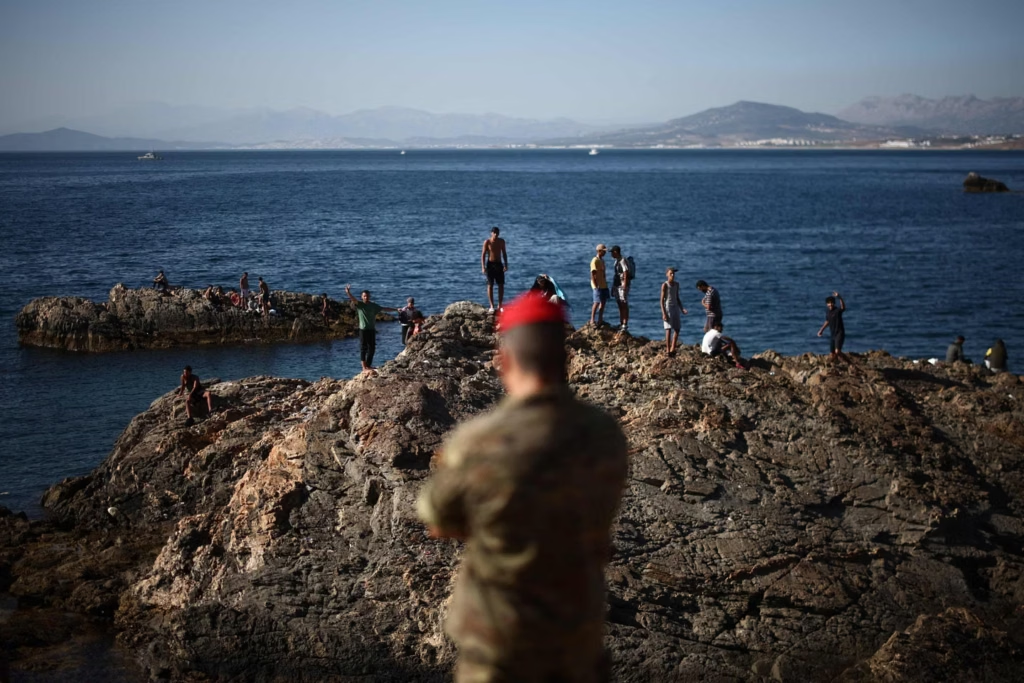
The July 2026 Ceuta crisis, during which an estimated 72,000 people crossed the border from Morocco, exposed a paradox in the EU’s externalisation of migration management. Relying on transit states to limit crossings also gives those states bargaining power. This article examines EU–Morocco cooperation and competing explanations for the crisis, from structural pressures and failures of anticipation to the possible instrumentalisation of migration flows. Both interpretations point to the same vulnerability: the EU’s dependence on Moroccan cooperation. The article situates Ceuta within a broader policy model by examining the European response and comparing Morocco with Tunisia. It concludes that externalisation does not guarantee containment and that the pursuit of greater control may deepen the EU’s reliance on transit states.
From the Algiers Doctrine to the Madama Forward Operating Position: Anatomy of a Strategic Realignment in the Sahel
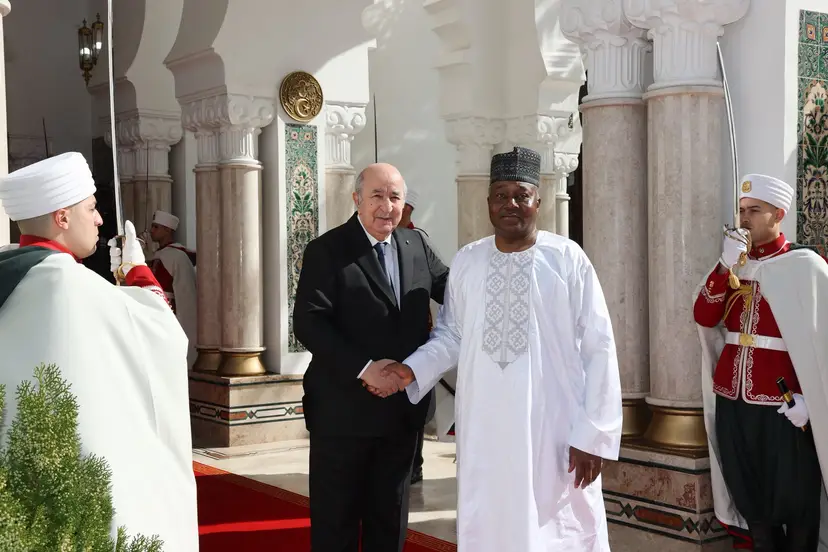
The Sahelo-Saharan region is undergoing a strategic realignment that now extends beyond the sole framework of the fight against armed groups. The withdrawal of Western forces from several Sahelian theatres, the emergence of new military alliances and the weakening of traditional regional cooperation mechanisms have profoundly altered the balance of power.
Egypt and the Saudi-Houthi crisis in Bab al-Mandab
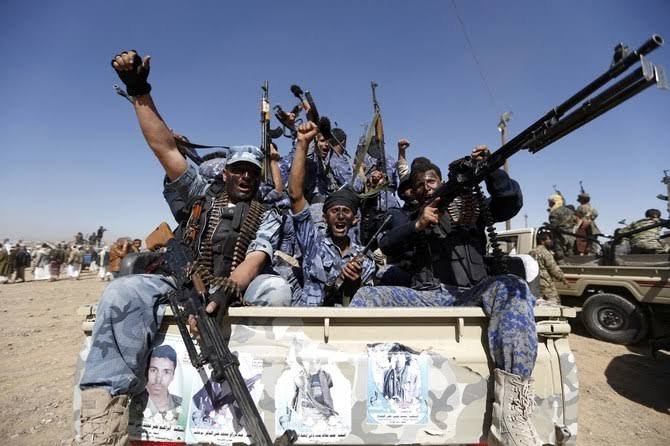
The crisis presents Cairo with a strategic dilemma: Egypt cannot accept that a hostile force should wield lasting coercive power at the southern entrance to the Red Sea, but it must avoid being drawn into a new ground war in Yemen. Egypt’s most likely course of action will therefore combine political and intelligence solidarity with Riyadh, a naval and air force build-up in the Red Sea, and the protection of the Suez Canal and the SUMED oil pipeline, whilst showing extreme reluctance towards a ground campaign aimed at recapturing the Yemeni interior.
The Next Ceuta Is Not in Morocco. It Is Being Forged in Tunisia
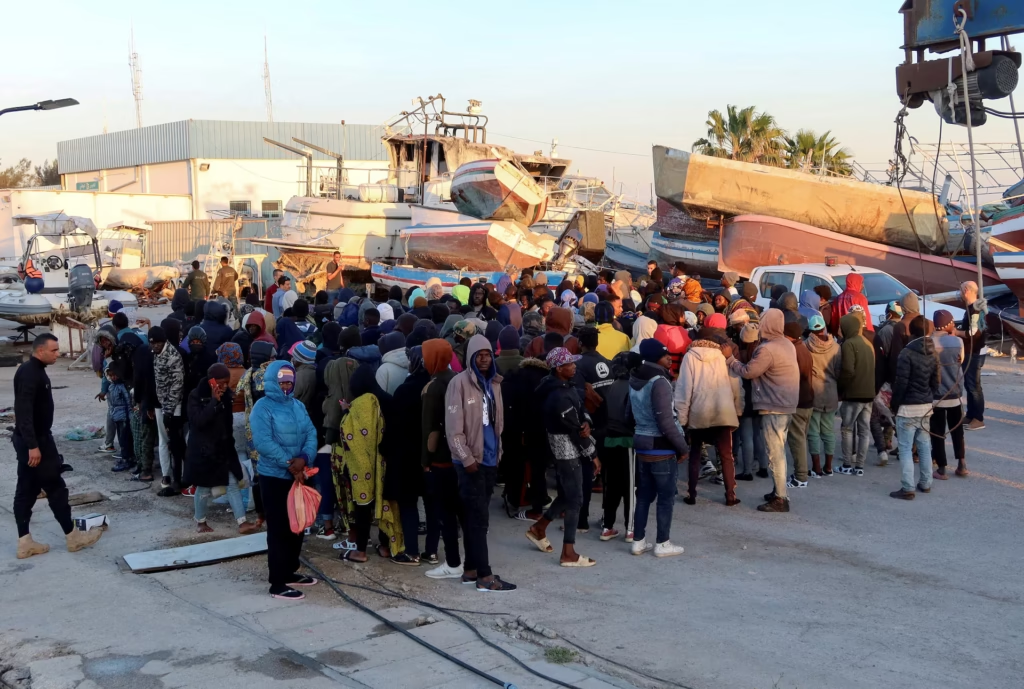
This analysis examines the nexus between democratic backsliding, socio-economic vulnerabilities, and migration dynamics across the Central Mediterranean. Grounded in the Tunisian case, it advances the hypothesis that the erosion of institutional corrective mechanisms can transform social frustration into political disengagement and, subsequently, into an aspiration to migrate. Through Hirschman’s distinction between Voice and Exit, migration is viewed not only as an economic response, but as a possible form of exit when avenues for political transformation appear limited. The analysis subsequently examines European border externalisation and its inherent strategic paradox: containment may reduce migratory flows without necessarily addressing the roots that sustain them. In this context, a future migration shock could crystallise into a European political event, offering further political capital to far-right parties. The objective is not to forecast a new Ceuta, but rather to isolate the causal mechanism capable of precipitating it.
Coercive Stabilisation and Sovereignty under Constraint: Egypt’s Strategy towards the War in Sudan
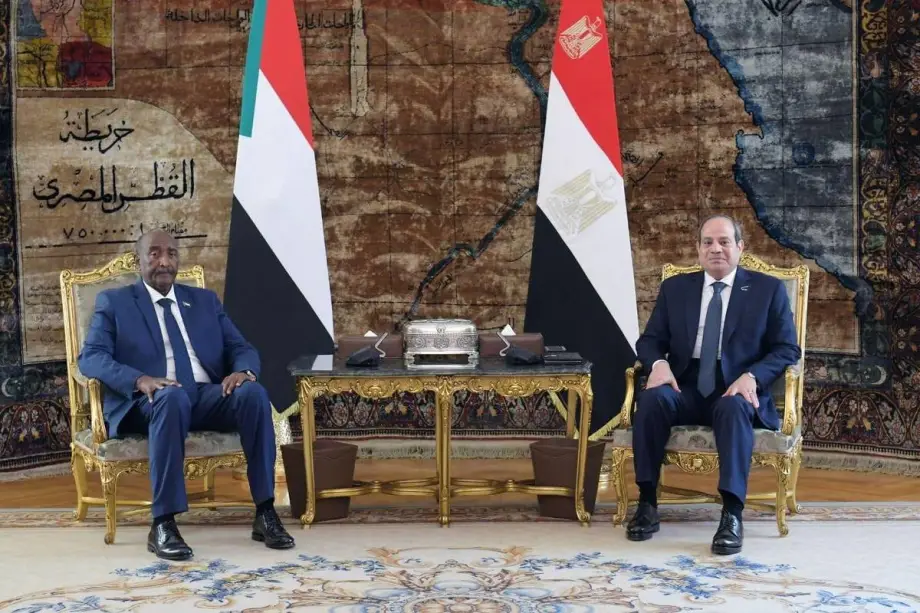
Since April 2023, the war between the SAF and RSF has exposed a deep crisis of the Sudanese state, marked by fragmented sovereignty and the increasing regionalisation of the conflict. In response, Egypt has supported the SAF to protect its security, hydropolitical, and regional interests. This strategy nevertheless creates a paradox: by relying on the military to stabilise Sudan, Cairo risks reinforcing the militarisation dynamics that have contributed to the weakening of the state. The article therefore examines the tension between coercive stabilisation and the sustainable reconstruction of Sudanese sovereignty.