News
Watch our latest news video
MENA
Our think tank is committed to delivering impartial and objective analyses of the MENA region, recognizing its pivotal role as a key geopolitical player. The MENA region, comprising countries such as Saudi Arabia, Iran, Iraq, Syria, Egypt, Turkey, and others, features a rich history and complex social, political, and ethnic dynamics. With its strategic location, significant energy resources, and ongoing political challenges, MENA is a focal point for regional power dynamics and global interests. Despite persistent conflicts and shifting alliances, the region continues to shape the broader geopolitical landscape.
Latest News
Jurf al-Sakhar: Ali al-Zaidi faces the military and economic power of Kata’ib Hezbollah
In an interview with Kurdistan 24, on November 16, 2026, Dr. Adel Bakawan, Director of the European Institute for Studies on the Middle East and North Africa (EISMENA), described Jurf al-Sakhar as one of the first tests of credibility facing Iraqi Prime Minister Ali al-Zaidi’s gouvernement. Beyond the question of the return of approximately 129,000 people displaced since 2014, the research portrays a territory under the effective control of Kata’ib Hezbollah, where military infrastructure, clandestine prisons and parallel economic activities would constitute major obstacles to the exercise of state authority. His analysis highlights the gap between the Prime Minister’s constitutional powers and the balance of power underpinning Iraq’s political system.
Could Coalition Withdrawal Increase or Reduce Threats to Iraqi Kurdistan?
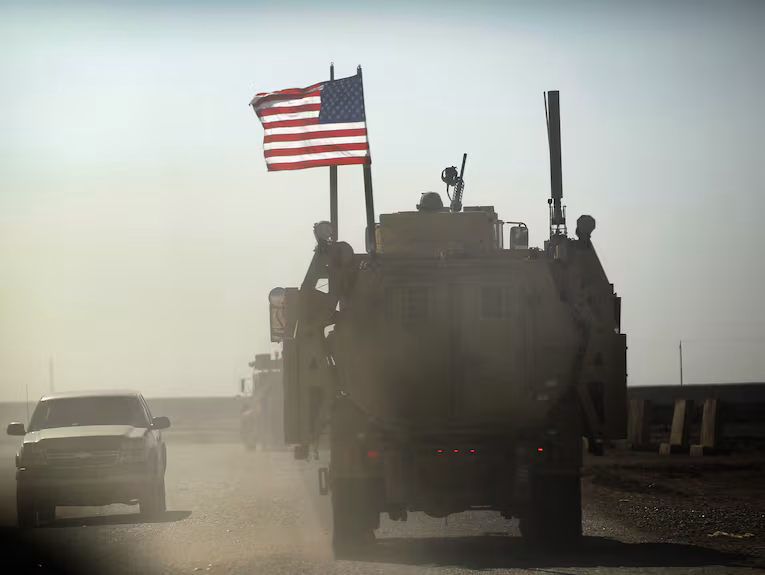
The full withdrawal of the U.S.-led Coalition on September 30 poses risks and new possibilities for the Kurdistan Region to improve relations with Iran. Until today, Iran has continued drone strikes in the Kurdistan Region, targeting Iranian Kurdish parties. The lack of air defenses and the failure by Baghdad so far to disarm Iranian-backed Iraqi armed factions, as previously promised by Baghdad, also expose the Kurdistan Region to risks. At the same time, the Coalition withdrawal gives Iran less excuses to attack the Kurdistan Region, and the Iraqi Kurds have also suggested to Iran to launch a peace process with Iranian Kurds to reduce Iranian attacks. The Coalition withdrawal makes Erbil more dependent on its relation with Baghdad and on its neighbours.
We’ve developed a “Learn More” section offering interactive insights into the general information and key aspects of these countries, to deepen your understanding of their strategic importance and evolving roles in regional and global contexts.

“A Highly Symbolic Withdrawal”: What Changes as the Anti-ISIS Coalition’s Military Mission in Iraq Ends
INTERVIEW. As the international coalition’s military mission against Islamic State in Iraq officially comes to an end on September 30, Adel Bakawan, director of the European Institute for Middle East and North Africa Studies, examines the announced departure of American troops. Interview by Julie Malo. Published on September 30, 2026, at 5:00 p.m. in Le Point.