Learn More

Israel, Türkiye, and the Instrumentalization of the Armenian Genocide

November 3, 2026

Karen Hekimian

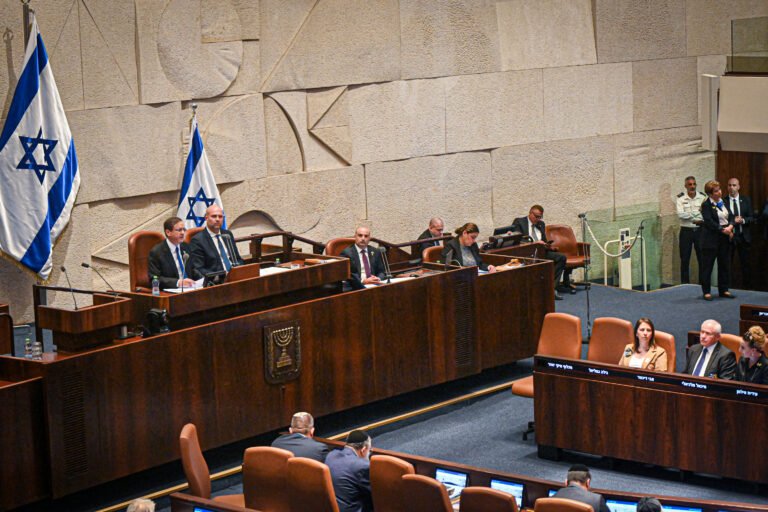
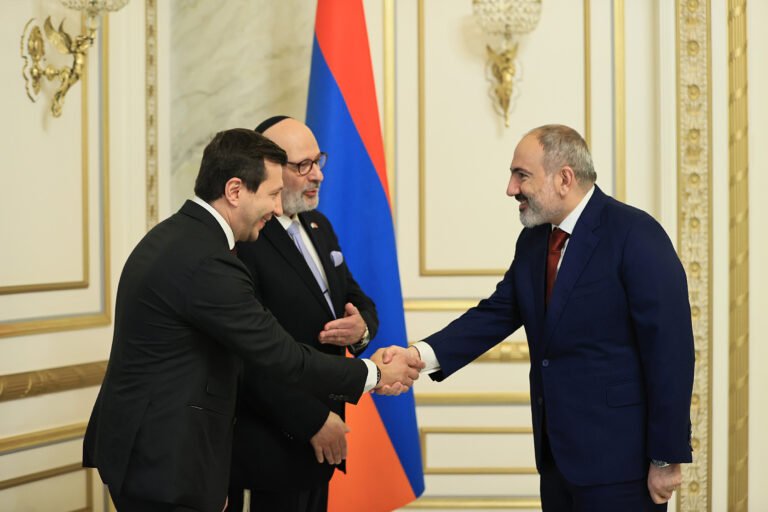
“A burden that humanity can no longer bear” was how Hakan Fidan, the minister of foreign affairs of Türkiye, described Israel following its decision to recognize the Armenian Genocide (Times of Israel Staff, 2026). Fidan urged the international community to condemn Israel, calling  it a global "problem."

The Middle East and North Africa : Structural Recompositions 

October 22, 2026

Martin Raymond Willy Mbog Ibock

The Middle East and North Africa are undergoing strategic fragmentation, as declining traditional hegemonies and shifting alliances reshape regional power dynamics. Despite economic growth, the region faces structural challenges, including debt, inequality, youth unemployment, hydrocarbon dependence and climate pressures. Digitalisation creates opportunities but also expands surveillance, while ongoing conflicts and the absence of stable regional governance reinforce uncertainty. Fragmentation has become the defining feature of a fragile but emerging regional order.

Why language and not borders? Understanding post-integration frustration in Rojava

October 21, 2026

Wisam Sedeeq

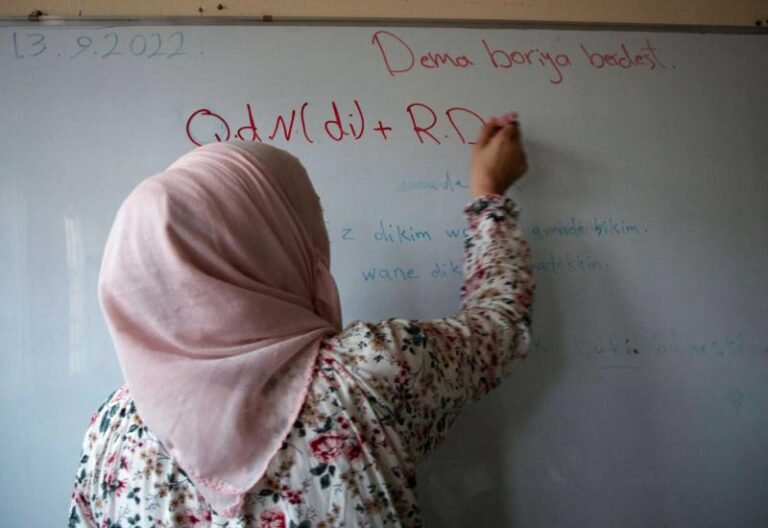
After 14 years of de facto self-governance, the Democratic Autonomous Administration of North and East Syria (DAANES) and the Syrian Democratic Forces (SDF) signed an agreement on 30 January to integrate their institutions into the Syrian state and incorporate the SDF into the Syrian army as brigades, effectively dissolving the DAANES, at least formally.

The Makkah Agreement for Joint Defence: Why Now, Why these Three, and What It Means for Pakistan?

September 28, 2026

Tehseen Fatima Syed, Aamira Bibi

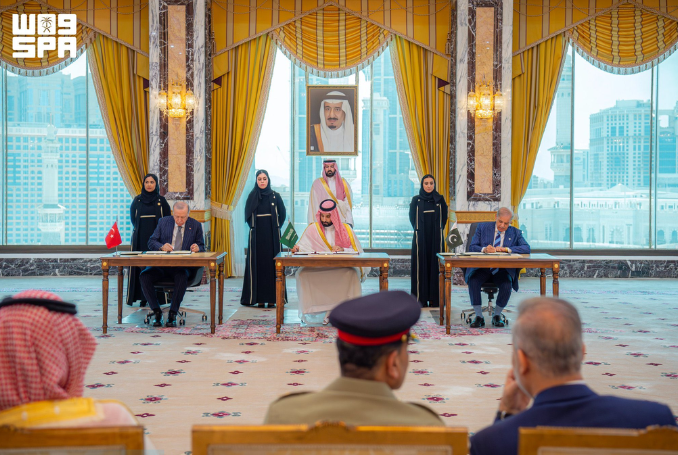
Tehseen Fatima Syed and Aamira Bibi are Pakistani researchers whose respective areas of expertise focus on violent extremism, Pakistan’s national security policy and strategic competition, as well as Middle Eastern geopolitics and regional security. Their complementary expertise is reflected throughout this article, allowing them to assess the significance of Islamabad’s emerging security alignment with Ankara and Riyadh from both a Pakistani and regional perspective. Building on this understanding, the authors examine the broader implications of these trilateral accords, exploring the potential benefits for each of the three states, while also addressing a key question: why is this strategic alignment emerging now, rather than earlier?
Can the Israeli–American Relationship Be Read Through the Lens of a Protectorate?

July 28, 2026

Louise Vaingre

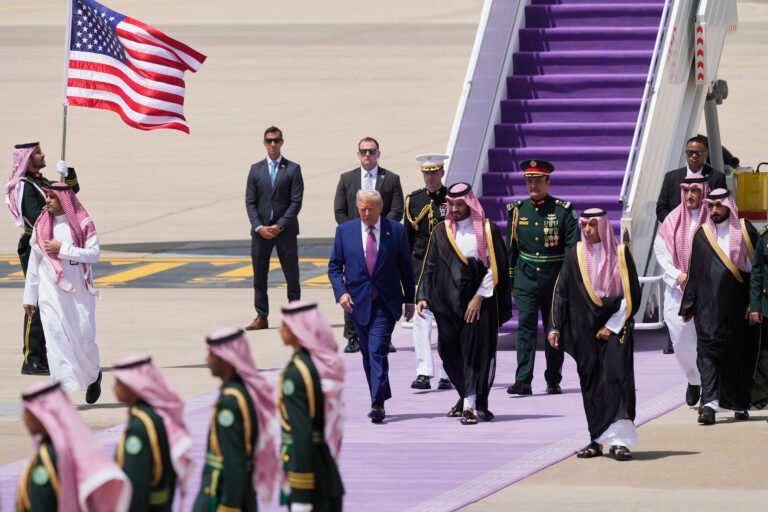
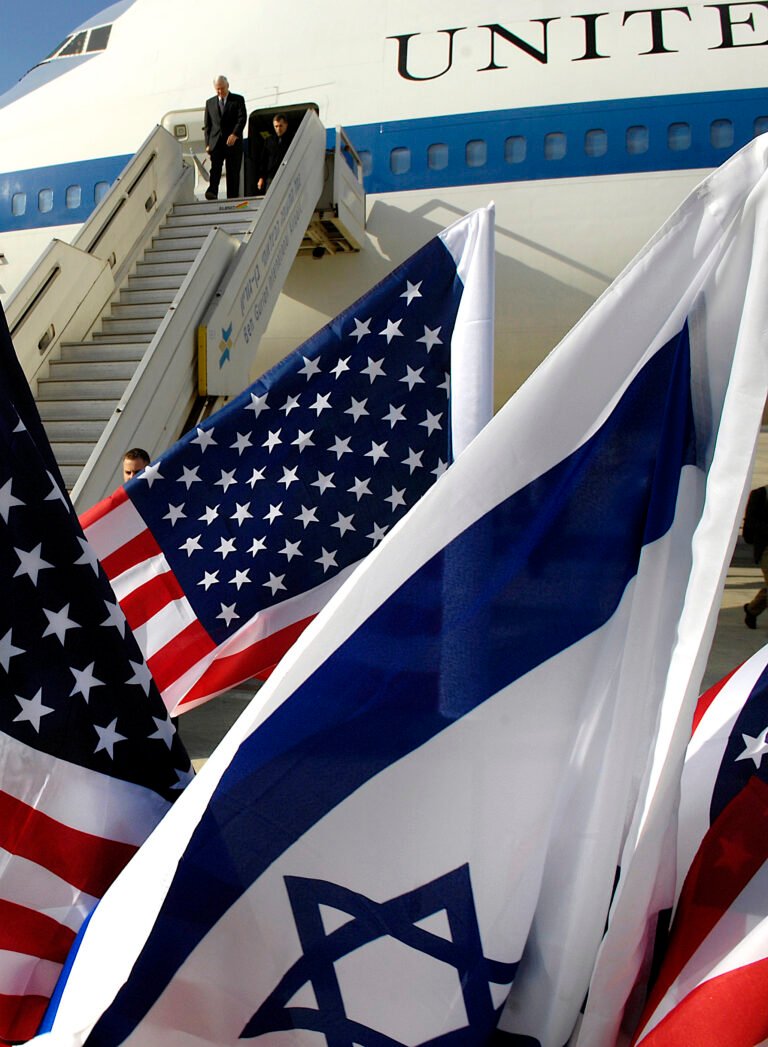
Despite criticism, the United States and Israel are sovereign states whose shared interests are rooted in historical, religious, economic, military and political ties within a complex geopolitical framework. However, recent divergences of interest between Washington and Tel Aviv over the Middle-eastern regional policy raise questions about the nature of the Israeli-US relationship. This article analyses the structure binding Israel and the United States.

Israel Facing Eight Fronts: What Security Reconfiguration in the Middle East?

July 21, 2026

Adel Bakawan

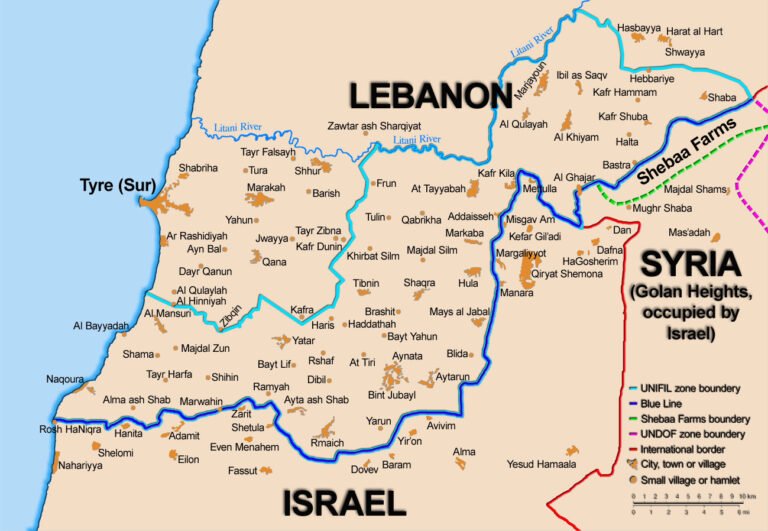
As the situation in the Middle East continues to evolve, EISMENA’s Director is proposing a new analysis examining the strategic rationale behind Israel’s regional posture and its relationships with neighboring states. The article aims to explore the historical, political, military, and geopolitical drivers that continue to shape Israel’s security doctrine, regional alliances, and evolving position within the broader Middle Eastern order.