

Pakistan and the Middle East: From a Simple Geographical Periphery to a Regional Strategic Player
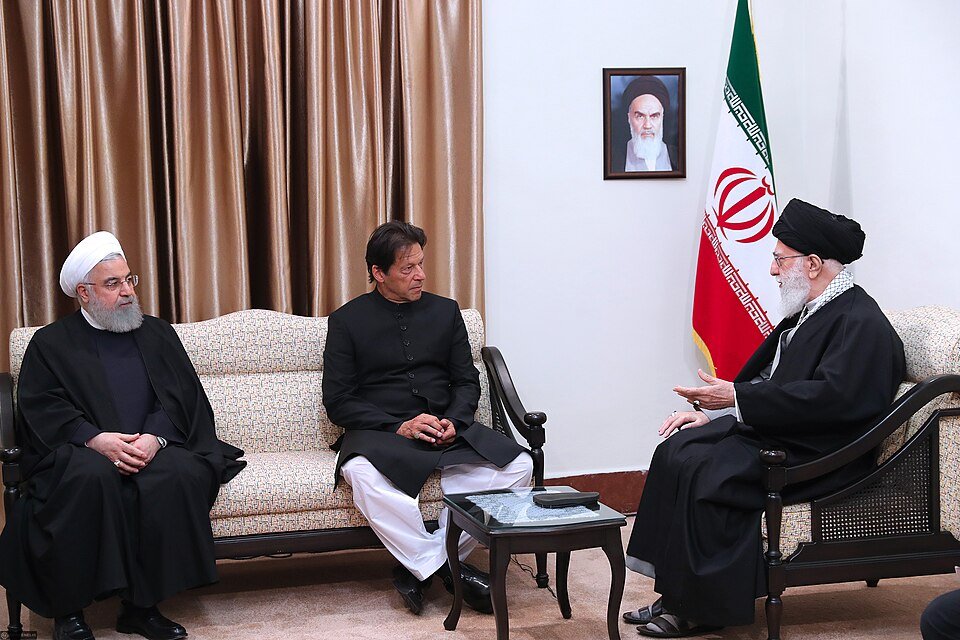
On Thursday 18 June 2026, Shehbaz Sharif announced on the social media platform X the signing of the Islamabad Memorandum of Understanding between the United States and Iran, bringing an end to a war which, in just three months and twenty days, has left a lasting impact on the Middle East. Beyond the diplomatic significance […]
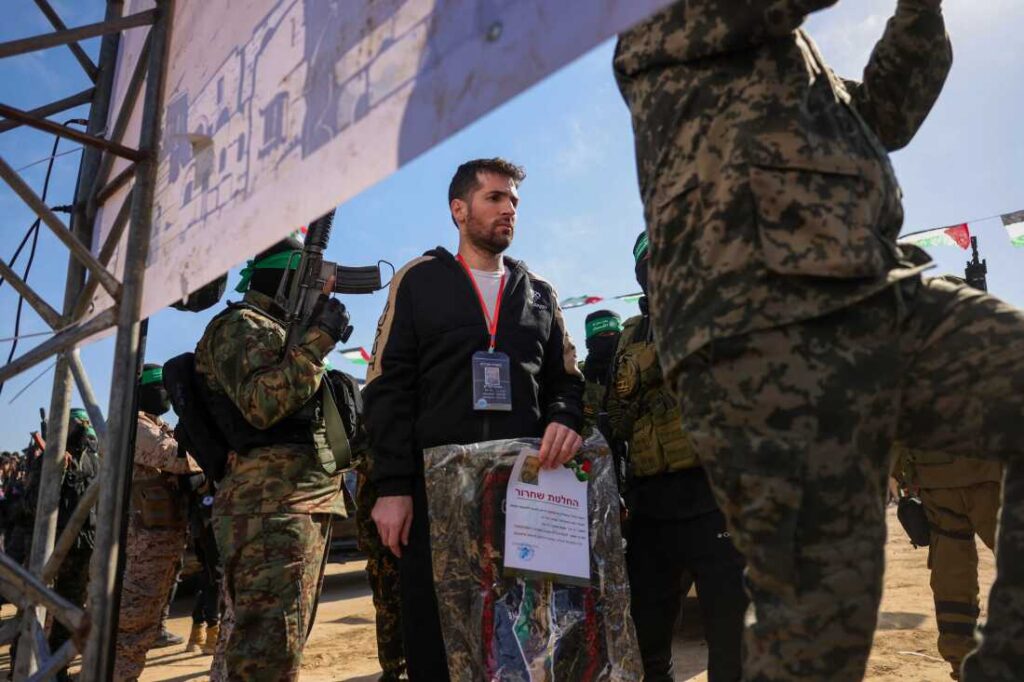
Israel-Hamas: Military Confrontation, Propaganda, and the War of Images
This translation benefited greatly from the expertise and collaboration of Dr. Lalla Amina Drhimeur, who holds a PhD in Political Science from Sciences Po Lyon. Her research explores the evolution of political Islam in government, comparing the experiences of the AKP in Turkey and the PJD in Morocco within their broader national and international contexts. […]
Is Iranophobia an Israeli Construction?
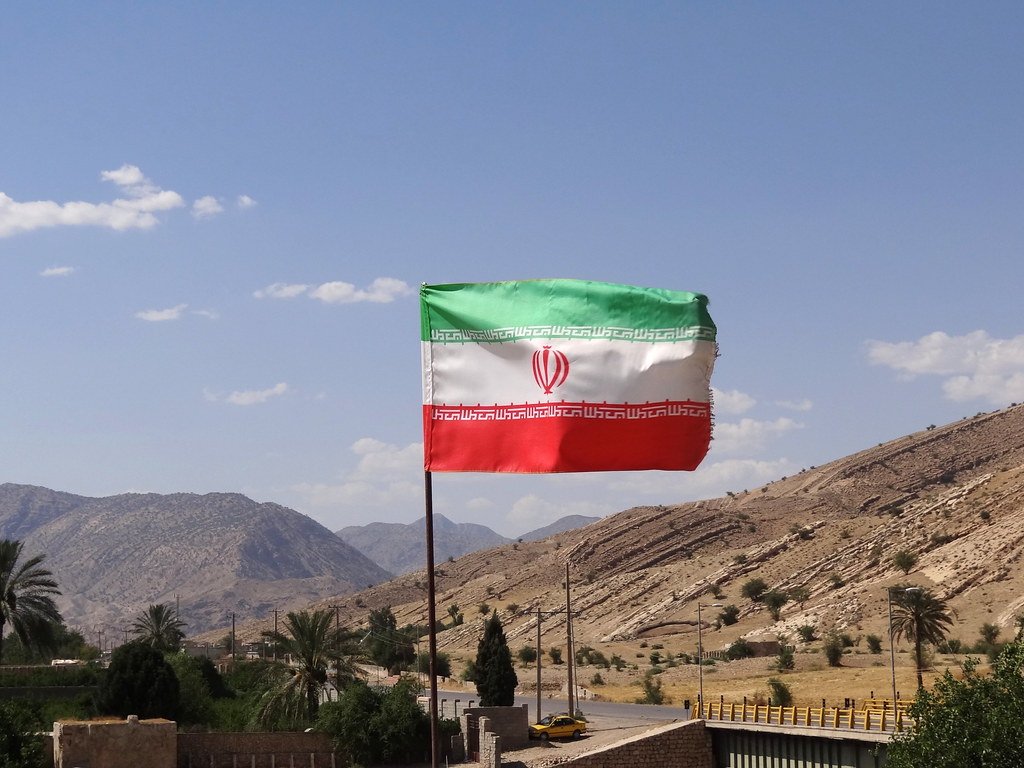
Since the 1990s, the Israeli officials have consistently portrayed Iran as an “existential threat” to the State of Israel, to regional stability in the Middle East, and even international peace and security. In particular, Prime Minister Benjamin Netanyahu has repeatedly warned of the alleged apocalyptic danger posed by Iran’s nuclear program throughout his political career. […]
The European cost of the Islamic Republic: six points that no one has added up
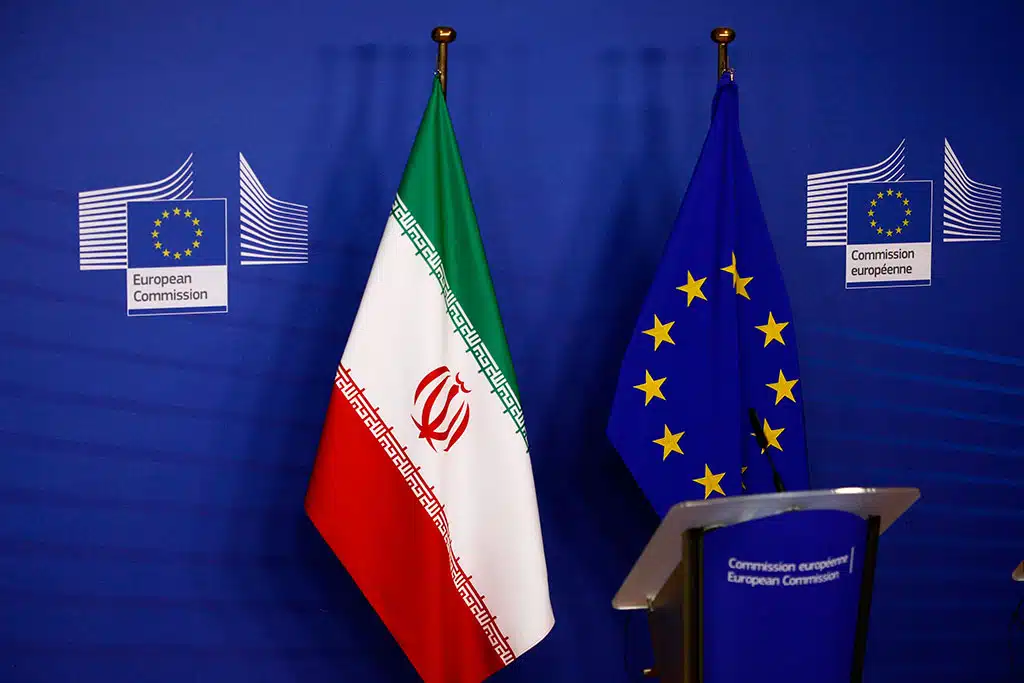
Weeks ahead of the G7 summit under French presidency, the Iranian dossier is back on the agenda of European foreign ministries through its usual points: diplomacy, nuclear issues, sanctions, and regional security. As it has for two decades, it will be addressed without any multilateral institution having first consolidated its financial toll. Yet the Israeli-American […]
Hormuz: From Legal Chaos to an Ad-Hoc Regime?
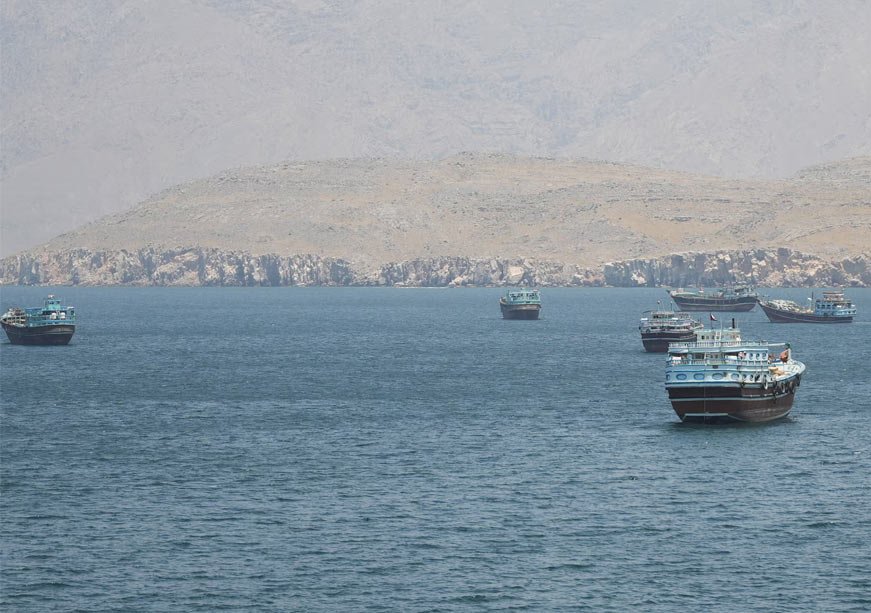
Since February 28, 2026, the Strait of Hormuz has become the theater of a confrontation in which the law of the sea appears, if not torn apart, at least to have its fundamental principles challenged. Iran’s closure of the strait, the American blockage of Iranian ports since April 13, the toll imposed by the Revolutionary […]