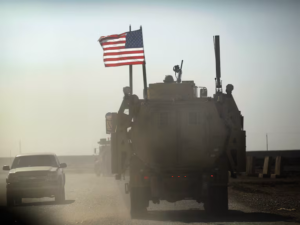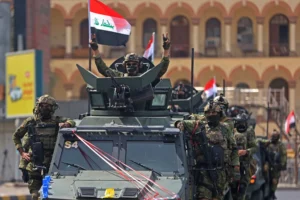



Since February 28, 2026, Iran has been plunged into the most severe strategic crisis of its contemporary history. A series of events — unprecedented military strikes, massive civilian casualties, the death of a Supreme Leader, and a rapid regional escalation — have transformed long-standing tensions into an open confrontation of international scale. The United States and Israel launched a coordinated offensive against Iran from their regional positions: from bases in the Gulf, notably in Qatar, Bahrain, and the United Arab Emirates; from installations in Iraq; and with the support of American air and naval capabilities in the Gulf and the Gulf of Oman. The operation targeted strategic centers in Tehran and several major Iranian cities, including military infrastructure, logistical depots of the Islamic Revolutionary Guard Corps (IRGC), and sites linked to Iran’s nuclear and ballistic missile programs.
Amid these strikes, a tragic incident was widely reported by Iranian media and authorities: a girls’ primary school in Minab, in Hormozgan Province (southern Iran), was hit by a missile during the morning attacks while hundreds of students were present. The human toll has been extremely heavy. A local agency initially reported at least 85 deaths, a figure later revised upward, with some media outlets citing as many as 148 fatalities — the majority of them children — along with dozens of injured. Taken together, the bombing of the primary school — whether considered accidental or linked to the proximity of a military installation — has generated a profound social, political, and moral shock both inside and outside Iran. Tehran immediately labeled the attack a “war crime,” and it has become a symbol of the suffering of innocent civilians in this conflict.
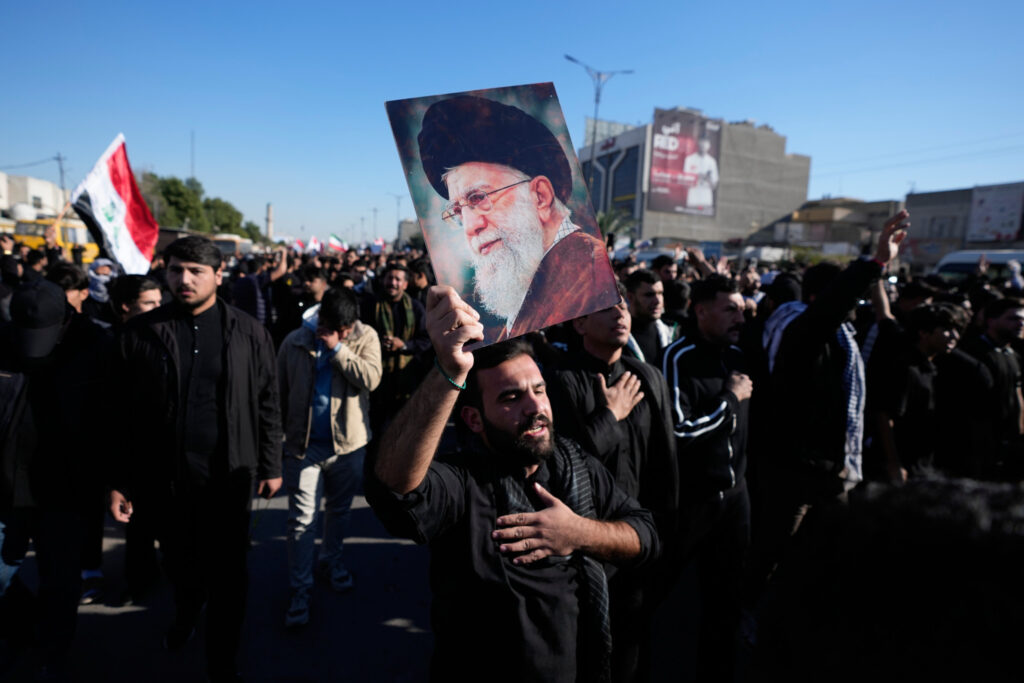
At the same time, the wave of strikes killed senior Iranian political and military officials, including — according to several official Iranian sources — Supreme Leader Ali Khamenei, along with other members of the Defense Council and senior figures within the Revolutionary Guards leadership. Khamenei’s death represents a major political rupture: for decades, he embodied the regime’s supreme authority and ideological direction. His death, confirmed by state media as a direct result of the February 28 strikes, marks not only a profound institutional shock but also the loss of a unifying political figure at the core of a regime that had until then maintained internal cohesion despite recurring crises.
Iran’s response was swift. On the same day, the government announced and carried out military retaliation through ballistic missiles and drones targeting Israeli objectives and U.S. bases across various parts of the Middle East. This escalation produced a domino effect on multiple fronts: more or less direct attacks were reported or claimed against facilities or state interests in Gulf countries, including Qatar, the United Arab Emirates, Saudi Arabia, and even Oman, which had previously adopted a mediating posture in an effort to prevent conflict.