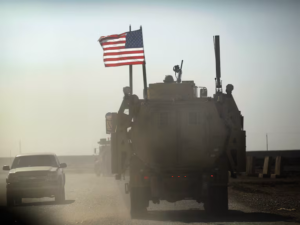



Following the latest escalation in Syria’s northeast and the end of the Rojava autonomy experiment, Adel Bakawan (Director of EISMENA) explains how Rojava emerged during the Syrian war, why the new authorities in Damascus moved against SDF-held areas, and what this shift could mean for the Syrian Kurds, U.S. policy, Turkey, and even the question of normalization with Israel.
0:00 Syria’s northeast crisis & end of Rojava autonomy
0:21 Introducing Adel Bakawan (EISMENA)
0:42 Rojava: origins and political meaning
1:18 From uprising to civil war: ISIS and the war context
2:02 The U.S.–Kurd alliance against ISIS
3:00 Kurdish goals vs Western expectations (beyond Rojava)
4:00 Sacrifice and aftermath: Kurdish forces and Raqqa
5:01 After U.S. shifts: is Damascus repeating Assad’s policy?
6:22 New leadership in Damascus: ideology, HTS, state-building
7:32 Regional alignments: Saudi Arabia, Turkey & Trump’s backing
9:10 Normalization with Israel? feasibility and internal constraints
10:46 Purges and uncertainty: the Kurds’ limited options