

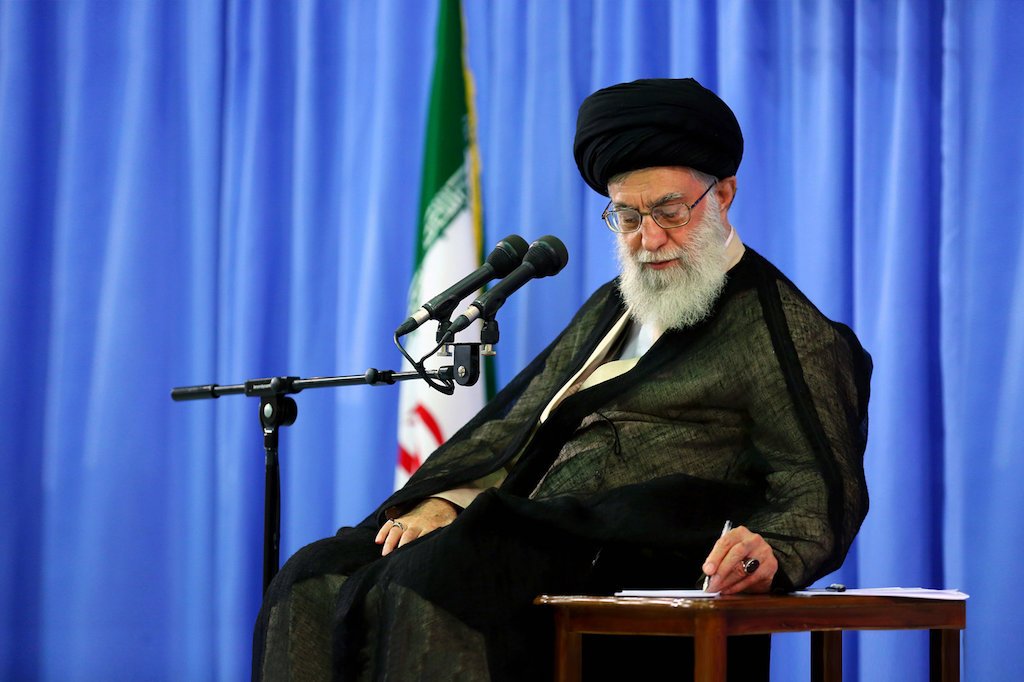
Country context : On September 28, 2025, the Snapback mechanism shattered the architecture of the JCPOA, formalizing the rift with Europe and plunging Iran back into a state of structural isolation that recenters power in the hands of the Islamic Revolutionary Guard Corps (IRGC). The economy has shifted into a mode of “resistance” survival, operating in near-autarky through rents, barter, and parallel networks that sustain the state but block any reform, accelerating poverty, brain drain, and the disillusionment of a young and connected society. Regionally, Tehran relies on asymmetric deterrence — through missiles, drones, cyber operations, and non-state proxies within the “Axis of Resistance” — to compensate for its exclusion from the Western system. A recent pivot toward the SCO and the BRICS in the East provides temporary geo-economic relief, at the cost of greater dependence on China and Russia, turning its proclaimed autonomy into de facto tutelage. Domestically, security recentralization has sidelined reformists, while social demands (including from women), religious disengagement, and the digital sphere erode the regime’s symbolic authority. Confined to a blocking or obstructive role, Tehran remains unable to emerge from an authoritarian stagnation that prevents any lasting transformation — at a time when all possible scenarios (militarized hardening, pragmatic opening, or unstable transition) converge toward the same deadlock, as long as social modernity and political legitimacy remain irreconcilable.
To learn more about the Islamic Republic of Iran, click on the link.