ANALYSIS

Read Our Latest Article

Rewarded Either Way: Morocco, the EU and the Paradox of Border Externalisation after Ceuta

Amelia Aguirrezabal Ortega

Rewarded Either Way: Morocco, the EU and the Paradox of Border Externalisation after Ceuta

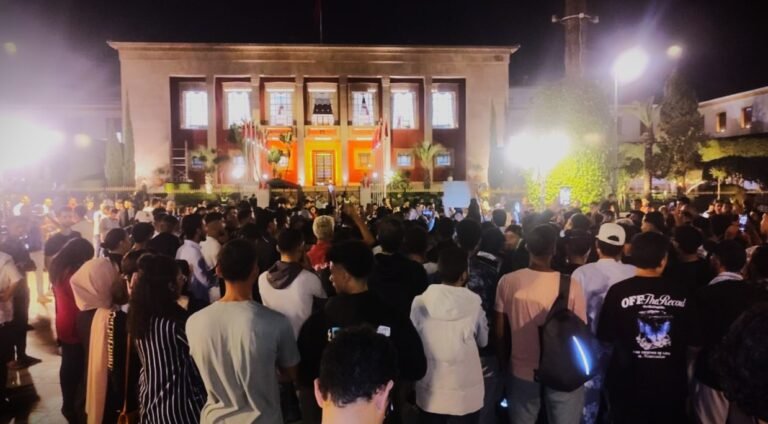
The July 2026 Ceuta crisis, during which an estimated 72,000 people crossed the border from Morocco, exposed a paradox in the EU’s externalisation of migration management. Relying on transit states to limit crossings also gives those states bargaining power. This article examines EU–Morocco cooperation and competing explanations for the crisis, from structural pressures and failures of anticipation to the possible instrumentalisation of migration flows. Both interpretations point to the same vulnerability: the EU’s dependence on Moroccan cooperation. The article situates Ceuta within a broader policy model by examining the European response and comparing Morocco with Tunisia. It concludes that externalisation does not guarantee containment and that the pursuit of greater control may deepen the EU’s reliance on transit states.
Read More

ARTICLES

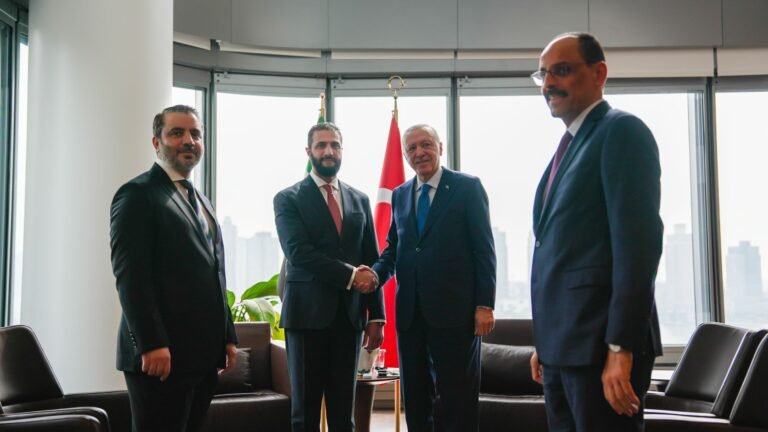
From Strategic Partnership to Geopolitical Rivalry: The Evolution of Turkish–Israeli Relations in the Syrian Arena

December 9, 2025

Saad Salloum

This article was written by Dr. Saad Salloum, Professor of Political Science at Al-Mustansiriya University and Dr. Adil Sukran, Iraqi diplomat and expert on Turkish affairs

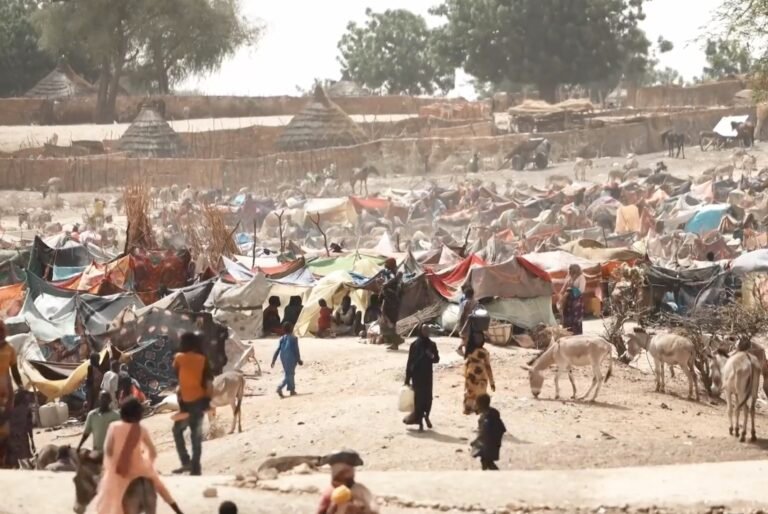
United Arab Emirates and Sudan: How a Small Country Fuels a Large War?

December 4, 2025

Thierry Vircoulon

From the outset of the war in Sudan between the army and the Rapid Support Forces (RSF), the United Arab Emirates chose its side. Seeking to counter a Sudanese army influenced by the Muslim Brotherhood, they support the RSF, with whom they had previously established military-financial ties. This Emirati support is part of their broader regional strategy to combat Islamist movements. After two years of war, their military and financial partnership not only persists but is expanding. In response, the Sudanese army has adopted a strategy aimed at accusing the UAE on the international stage and disrupting the flow of supplies coming from the country. On January 7, 2025, the U.S. Treasury Department imposed sanctions on Mohammad Hamdan Daglo Mousa (Hemedti), the leader of the Rapid Support Forces, as well as seven companies based in the United Arab Emirates that conduct business with the RSF. These sanctions underscore the role the UAE is playing in the Sudanese conflict.