


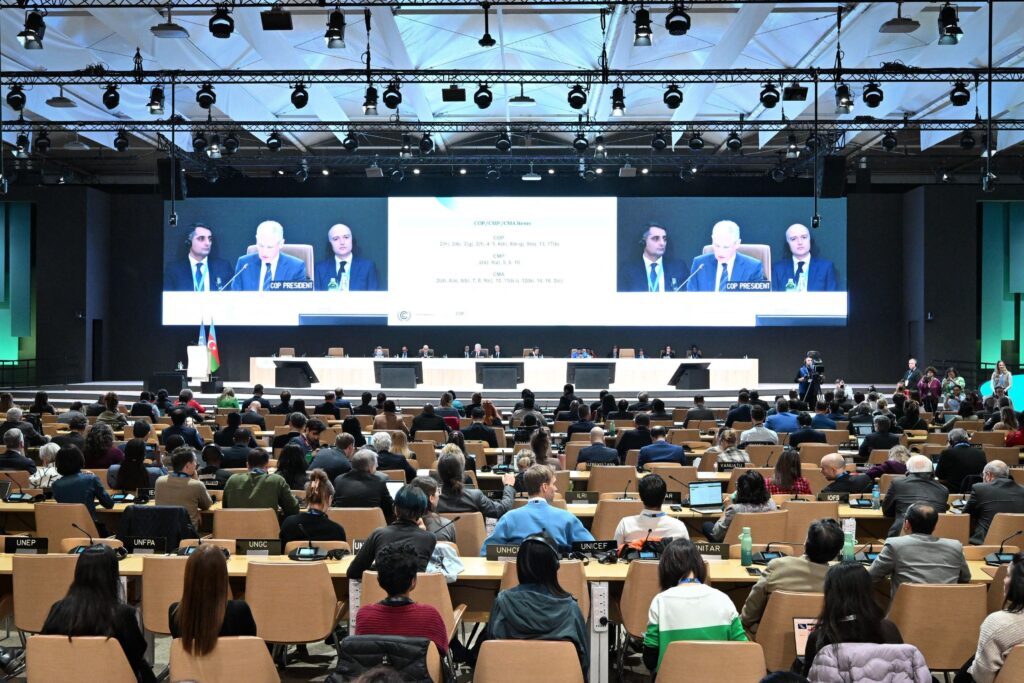

The 29th edition of the United Nations Climate Conference, held in Baku, the capital of Azerbaijan, failed to achieve the groundbreaking agreements that were widely anticipated. With high expectations centered around its pledge to fund initiatives addressing the impacts of climate change, the summit promised support in key areas: assisting communities affected by the climate-related disasters, aiding displaced populations, empowering organisations working in relief, awareness, and project planning, and promoting projects to accelerate the transition to clean energy.
However, all expectations were not realised due to the weak negotiations during the conference. Several organisations expressed disappointment with Azerbaijan’s management of the event, with some withdrawing after the first week. The proceedings revealed the reluctance of “Global North” countries to fulfill their financial commitments toward climate action. Despite being the primary contributors to global environmental degradation, these nations were unwilling to make significant concessions, particularly regarding the reduction of fossil fuel, and industries dependent on oil, gas, and plastics. Environmental activists, climate advocates, journalists, and related organisations made their voices heard throughout the conference. COP 29 saw unprecedented peaceful protests and escalations compared to previous climate summits. Protesters chanted against the “Global North”, industrialised nations, and governments that allocate trillions of dollars to fund wars, yet hesitate to make similar investments in saving the planet from what many have termed “ecocide.”
Political rhetoric dominated the discussions at the Baku summit, highlighting the failure of major stakeholders, including the United States and European countries, to make substantial contributions to a sustainable and greener world. The conference agreed to increase the funding target set at COP 28 in Dubai from $100 billion to $300 billion. However, despite the challenges involved in securing this amount, it remains inadequate when compared to the scale of the global crisis. Major economies continued to avoid taking responsibility for the well-being of “Global South” nations, despite calls from the previous year to multiply contributions. Industrialised nations seemed primarily focused on short-term profits, with little regard for the impending environmental and climate disasters that threaten the planet in the coming decades. The negotiations were clearly marked by fundamental shortcomings, most notably the “North’s” indifference to the urgent needs of the “South”. Western delegations appeared detached from the harsh realities faced by the “Global South,” showing neither understanding nor empathy for their circumstances.
These nations remain unwilling to bear the responsibility for addressing climate change, a crisis largely driven by their own industries and heavy reliance on fossil fuels. The professed commitment of the Commonwealth Charter to protect “the most vulnerable nations” rings hollow to those on the frontlines of the climate crisis. The coalition of developing nations rejected the proposal to allocate $250 billion annually to poorer countries to combat the impacts of climate change. The core issue in this debate is a paradox that many developing nations, while oil producers, contribute minimally to the negative effects of climate change. Yet, due to financial mismanagement, corruption, and administrative inefficiencies, these nations remain classified as “oil-rich but still developing.” Iraq is a prime example of this contradiction: it seeks to benefit from climate funds while facing criticism for its heavy reliance on fossil fuels. The solution lies in a gradual transition to clean energy, a shift that is equally applicable to countries like Saudi Arabia and Azerbaijan.
A draft financial agreement was presented, aiming to mobilise $1.3 trillion annually by 2035 for developing nations. This would depend on contributions from advanced economies and other funding sources, such as private funds or new taxes. However, the likelihood of success appears slim, given that wealthy nations steadfastly refuse to share even a small portion of their vast profits gained from exploiting the planet. Notably, the demands of developing nations —already rejected—account for no more than 1% of the global GDP. “Is this too much to save lives?” read the placard of a young protester at the conference. It is irrational for affluent nations to continue expanding their economies at the expense of the “Global South’s” populations. The time has come to transform production mechanisms and prioritise clean energy. The world is crumbling under the weight of climate challenges, with hundreds of millions displaced due to climate-induced migration—a number that continues to grow.
The United States, among others, must confront this reality: is its priority to fund wars and further damage the planet, or to rebuild it with green initiatives and foster clean livelihoods? The global leadership model requires a fundamental overhaul, as it increasingly alienates the most vulnerable populations.
In many countries, climate displacement has prompted a reevaluation of borders between native populations and migrants, signaling impending demographic shifts and potential security threats. The only viable solution is to expedite a fair energy transition, one that acknowledges the urgency of climate action while addressing the inequalities that intensify the suffering of the world’s most vulnerable population. There is a pressing need to accelerate agreements on reducing plastic production, developing new waste management systems, and promoting a recycling-based economy. Enforcing plastic pollution treaties is especially urgent as 99% of plastics are derived from fossil fuel-based chemicals. During the climate conference, it was emphasised that the ongoing production of plastics not only accelerates biodiversity loss and ecosystem degradation but also threatens human, animal, and plant health by compromising food safety and the security of water resources.
A treaty to phase out fossil fuels could be facilitated through the United Nations Framework Convention on Climate Change (UNFCCC), providing a comprehensive framework for the gradual elimination of all fossil fuel. However, achieving this goal requires genuine commitment from major stakeholders at the conference—an outcome that appears unlikely in the near future. Climate change skepticism remains deeply embedded in the policies of key nations, notably the United States and China.
Nonetheless, this issue must take priority at COP 30, scheduled to be held in Brazil. Achieving meaningful progress on this front will require unprecedented determination and collaboration from all parties involved. Without such efforts, the global community will continue to face mounting threats from plastic pollution and fossil fuel dependency.
It is both ironic and concerning that the next climate conference will be hosted in Brazil—a country actively increasing its oil production, as demonstrated by its membership in OPEC and its limited progress toward clean energy. This contradiction underscores the chaotic and often contradictory nature of global climate negotiations.
However, this paradox does not diminish the urgency of the task at hand. The fight for climate justice must continue, as it remains the only way to prevent global collapse and avoid the impending threat of mass extinctions. Everyone’s effort should persist, fueled by the hope of securing a sustainable future for all.
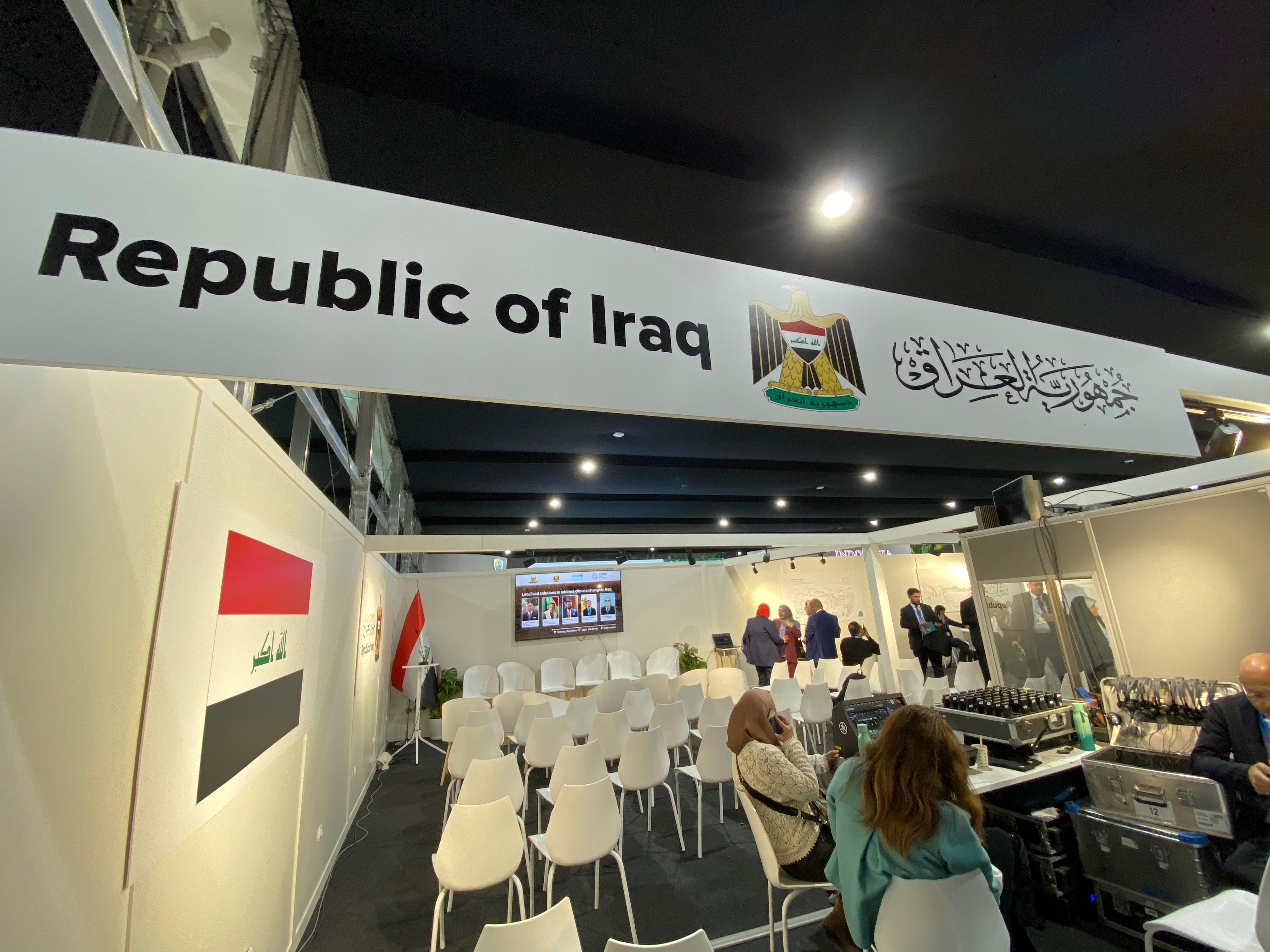
Photo taken by Mohamad Al-Basem during COP29