ANALYSIS

Read Our Latest Article

Rewarded Either Way: Morocco, the EU and the Paradox of Border Externalisation after Ceuta

Amelia Aguirrezabal Ortega

Rewarded Either Way: Morocco, the EU and the Paradox of Border Externalisation after Ceuta

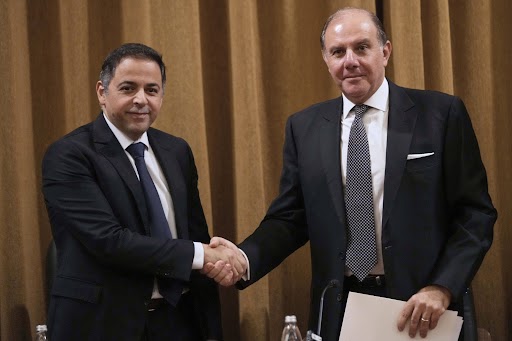
The July 2026 Ceuta crisis, during which an estimated 72,000 people crossed the border from Morocco, exposed a paradox in the EU’s externalisation of migration management. Relying on transit states to limit crossings also gives those states bargaining power. This article examines EU–Morocco cooperation and competing explanations for the crisis, from structural pressures and failures of anticipation to the possible instrumentalisation of migration flows. Both interpretations point to the same vulnerability: the EU’s dependence on Moroccan cooperation. The article situates Ceuta within a broader policy model by examining the European response and comparing Morocco with Tunisia. It concludes that externalisation does not guarantee containment and that the pursuit of greater control may deepen the EU’s reliance on transit states.
Read More

ARTICLES

From Palace to Forests: What Has Happened to Assad’s Army?

May 23, 2025

Hussam Hammoud

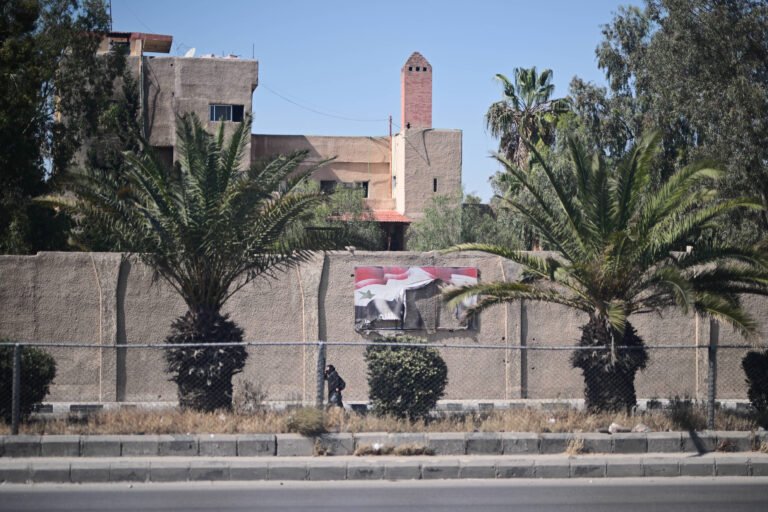
In December 2024, the fall of Bashar al-Assad’s regime marked a major shift in Syria. New authorities set up reconciliation centers for former security personnel; while some complied, others joined armed groups. The reappointment of former regime figures has also sparked criticism from parts of civil society.

In the wake of the announcement of the dissolution of the Kurdistan Workers’ Party, what does the future hold for the “Kurdish question” in the Middle East?

May 21, 2025

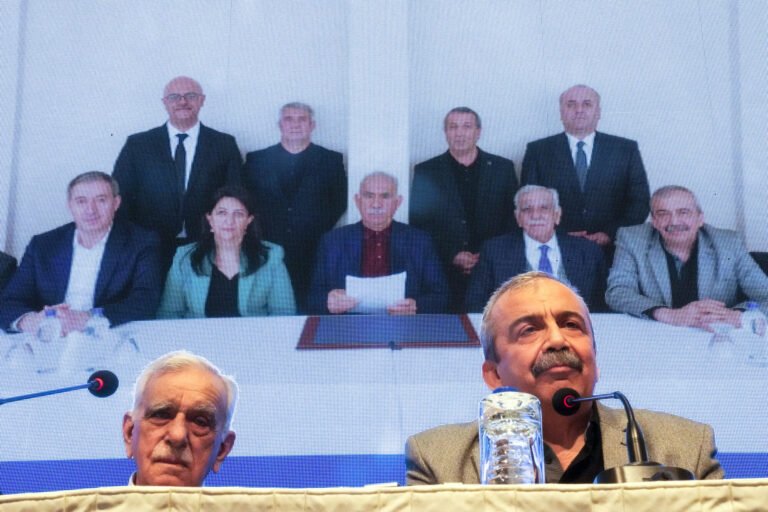
The 12th Congress of the Kurdistan Workers Party (PKK) formalised the dissolution of the armed group that has been at war with the Turkish state since 1984. This Congress is part of the timeline of a negotiation process between the Turkish state and Abdullah Öcalan, with the involvement of the pro-Kurdish DEM party, which specifically aimed at the dissolution of the PKK. On February 25, 2025, the PKK’s founder issued a “Call for Peace and Democratic Society” to demand the group’s dissolution. The consequences of this dissolution will be significant — both on the Turkish political scene, on the transnational Kurdish movement, and on certain regional geopolitical balances.

The Decades-Long Antagonistic Psychology of Iran and Israel

May 3, 2025

Mohammad Salami

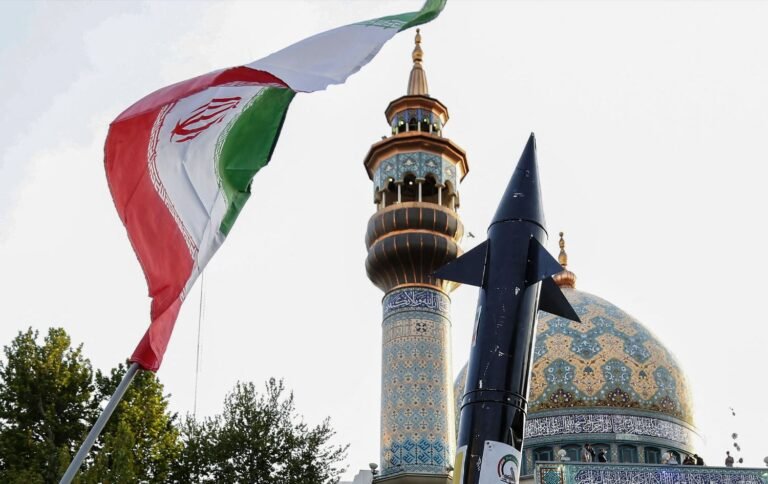
This article explores the long-standing and increasingly hostile relationship between Iran and Israel, shaped by over four decades of competition, conflict, and ideological confrontation.

Wars on Palmyra: Wars on Remaking Syria

April 30, 2025

Sardar Aziz

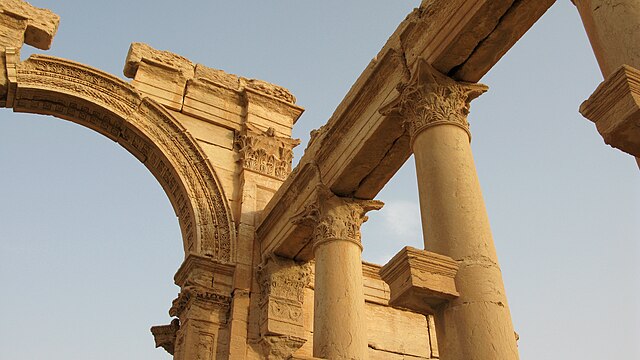
At the crossroads of the Syrian desert and history, Palmyra embodies the major geopolitical stakes of both past and present Syria. From ancient city to strategic battleground, it is now central to the rivalries between regional powers such as Turkey, Israel, and Iran. This article explores how Palmyra has become a symbol of the broader struggle to remake post-Assad Syria.