European Institute for Studies on
the Middle East and North Africa

RESEARCH

Read Our Latest Article

UNIFIL: a stabilisation mechanism whose withdrawal is a source of concern for humanitarian actors

Lyna Ouandjeli

UNIFIL: a stabilisation mechanism whose withdrawal is a source of concern for humanitarian actors

Based on a field mission to Lebanon conducted by EISMENA in October 2026, this article examines the implications of the scheduled end of the mandate of the United Nations Interim Force in Lebanon (UNIFIL), expected to begin in December 2025, and the uncertainties surrounding its gradual withdrawal. Drawing on observations gathered during the mission, several interviews with Lebanese interlocutors and international ones, and a discussion with L’Oeuvre d’Orient, it analyses the role of the UN force in maintaining security arrangements, as well as in facilitating humanitarian access to isolated border communities. The testimonies collected highlight a less frequently discussed aspect of UNIFIL’s mandate: its role as an operational intermediary in delivering aid to civilian populations. As international discussions on its replacement remain marked by disagreements, the article examines the security, humanitarian and institutional consequences of its departure, as well as the Lebanese state’s ability to effectively assume its responsibilities in the south.
Read More

ARTICLES

In Lebanon, the End of a Sense of Superiority? The Shiite Community Facing Hezbollah’s Decline

November 9, 2026

Lyna Ouandjeli

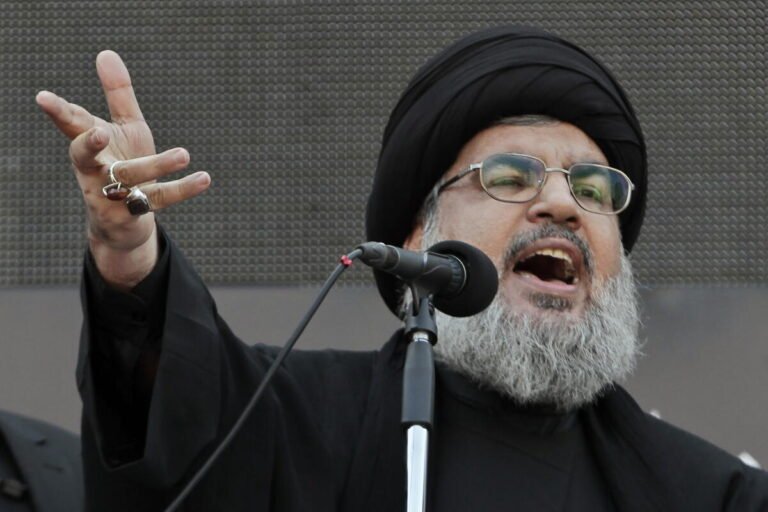
Long associated with military protection, considerable political influence and a particular status within Lebanon’s political balance, Hezbollah helped foster, among part of the Shiite community, a sense of power and pre-eminence. The destruction, the death of Hassan Nasrallah and the weakening of the movement are now calling this perception into question. During this research mission in Lebanon, field observations and interviews reveal a deeper transformation: a shift in the relationship with citizenship, power and the place of the Shiite community within the Lebanese state.

Lebanon’s rejection of “resilience” qualification

November 4, 2026

Lyna Ouandjeli

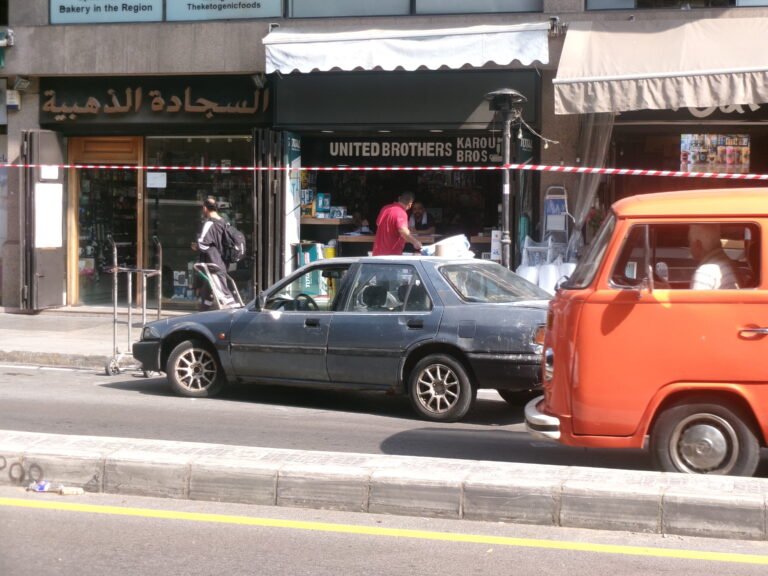
As part of its research and analytical work on geopolitical transformations in the Middle East, EISMENA sent Lyna Ouandjeli, Head of Research and Strategic Partnerships to Lebanon for a week-long research mission from 22 to 29 October 2026. This first field report examines the rejection of the term “resilience”, increasingly imposed by media and political discourse on the Lebanese population.

The European Union and the Southwest Asian Crucible: Normative Disintegration at Work

October 27, 2026

Elena Aoun

Until just a few years ago, observers and researchers kept exploring the European Union’s (EU) “normative power”. Tailor-made for the latter, this concept referred directly to the driving force behind European integration —transcending armed conflicts between member states through an interlocking web of mutualised interests translated into rights and obligations— as well as to the values the EU espoused in its founding texts and its discourse.

COP29: A Disappointing Chapter in Climate Diplomacy?

December 27, 2024

Mohamad al-Basem

The 29th edition of the United Nations Climate Conference, held in Baku, the capital of Azerbaijan, failed to achieve the groundbreaking agreements that were widely anticipated. With high expectations centered around its pledge to fund initiatives addressing the impacts of climate change, the summit promised support in key areas: assisting communities affected by the  climate-related disasters, aiding displaced populations, empowering organisations working in relief, awareness, and project planning, and promoting projects to accelerate  the transition to clean energy.

Conference Summary

November 29, 2024

EISMENA

The conference builds on an EISMENA report funded by Vision Education examining women’s living conditions in Federal Iraq and the Kurdistan Region. It highlights both the challenges women face and their progress since 2003 in areas like empowerment, civil society, legislation, economic opportunities, and security. The conference aims to promote dialogue and strengthen women’s roles and rights in both regions.