European Institute for Studies on
the Middle East and North Africa

ANALYSIS

Read Our Latest Article

The Switzerland of the Middle East? Jordan’s Manufactured Stability and the Illusion of Reform

Alice Filiberto

The Switzerland of the Middle East? Jordan’s Manufactured Stability and the Illusion of Reform

Jordan is often called the “Switzerland of the Middle East”: a constitutional monarchy that has projected an image of moderation and reform while its neighbours have been consumed by civil war, regime collapse and insurgency. This article argues that this stability has not been earned through genuine political reform or democratic accountability, but manufactured through authoritarian control. What looks like a progressive state is, on closer examination, a carefully managed authoritarian order in which the appearance of reform functions as a technology of control. Two mechanisms sustain this manufactured stability. The first is the historic alliance between the Hashemite monarchy and Transjordan’s tribal structures, which transformed pre-existing tribal authority into an instrument of regime reproduction while relegating the Palestinian-origin majority to economic rather than political inclusion. The second is the regime’s management of political liberalisation, which Daniel Brumberg describes as “liberalised autocracy”: a durable equilibrium in which controlled openings serve to consolidate, rather than challenge, authoritarian rule.

Read More

ARTICLES

The War Trump Dreams To Win

November 18, 2026

Hichem Karoui

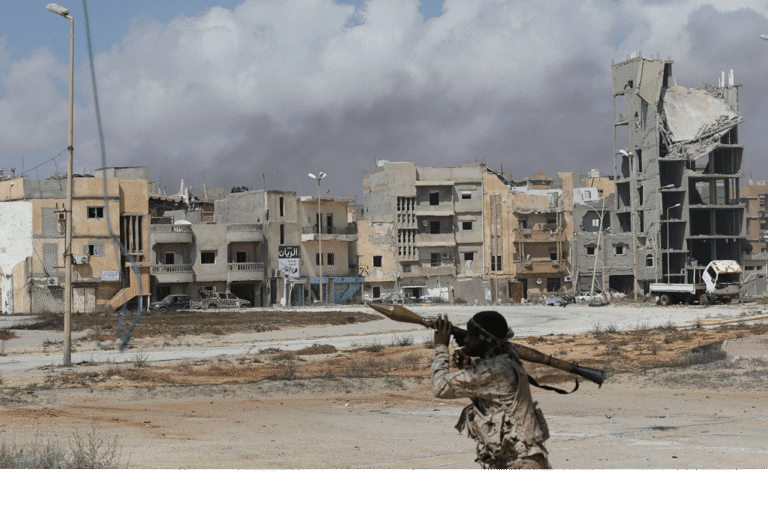
On 28 February 2026, the United States and Israel launched what Trump described as ‘major combat operations’ against Iran, and the initial strikes killed Ayatollah Ali Khamenei himself, along with several high-ranking commanders. This campaign was explicitly aimed at overthrowing the Islamic Republic. Seven months later, the war is described as a ‘stalemate’: the US Navy has devastated the Iranian fleet and destroyed much of its radar coverage, but Iran continues to carry out raids on the waterway through which a fifth of the world’s oil passes, and both sides are vying for control of it. The question on the minds of millions of people across the Middle East and as far afield as Europe is whether Donald Trump understands that no American weapon can wipe out or destroy Iran.

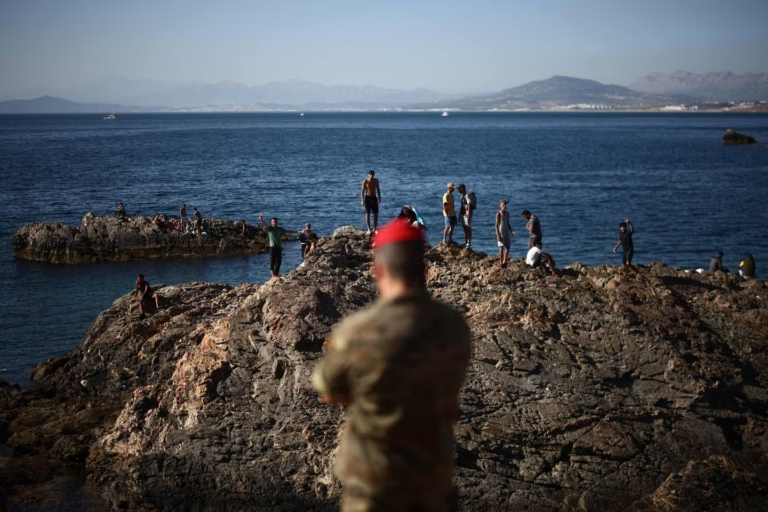
Rewarded Either Way: Morocco, the EU and the Paradox of Border Externalisation after Ceuta

November 17, 2026

Amelia Aguirrezabal Ortega

The July 2026 Ceuta crisis, during which an estimated 72,000 people crossed the border from Morocco, exposed a paradox in the EU’s externalisation of migration management. Relying on transit states to limit crossings also gives those states bargaining power. This article examines EU–Morocco cooperation and competing explanations for the crisis, from structural pressures and failures of anticipation to the possible instrumentalisation of migration flows. Both interpretations point to the same vulnerability: the EU’s dependence on Moroccan cooperation. The article situates Ceuta within a broader policy model by examining the European response and comparing Morocco with Tunisia. It concludes that externalisation does not guarantee containment and that the pursuit of greater control may deepen the EU’s reliance on transit states.

From the Algiers Doctrine to the Madama Forward Operating Position: Anatomy of a Strategic Realignment in the Sahel

November 10, 2026

Imen Chaanbi

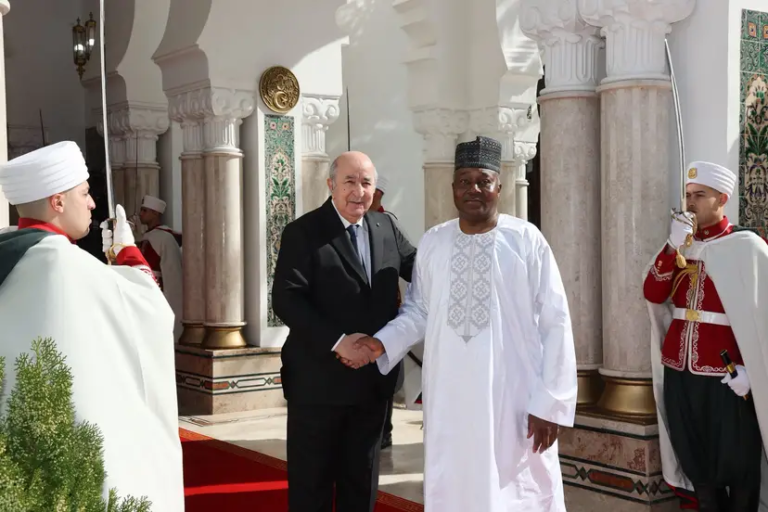
The Sahelo-Saharan region is undergoing a strategic realignment that now extends beyond the sole framework of the fight against armed groups. The withdrawal of Western forces from several Sahelian theatres, the emergence of new military alliances and the weakening of traditional regional cooperation mechanisms have profoundly altered the balance of power.

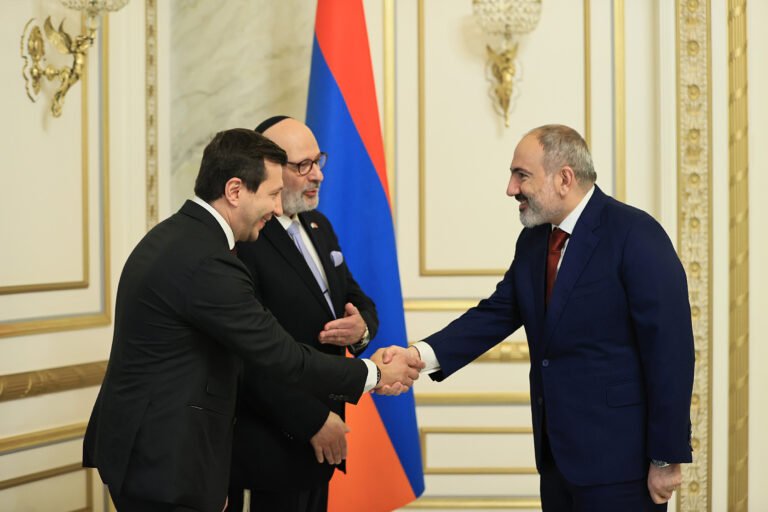
Israel, Türkiye, and the Instrumentalization of the Armenian Genocide

November 3, 2026

Karen Hekimian

“A burden that humanity can no longer bear” was how Hakan Fidan, the minister of foreign affairs of Türkiye, described Israel following its decision to recognize the Armenian Genocide (Times of Israel Staff, 2026). Fidan urged the international community to condemn Israel, calling  it a global "problem."

The Middle East and North Africa : Structural Recompositions 

October 22, 2026

Martin Raymond Willy Mbog Ibock

The Middle East and North Africa are undergoing strategic fragmentation, as declining traditional hegemonies and shifting alliances reshape regional power dynamics. Despite economic growth, the region faces structural challenges, including debt, inequality, youth unemployment, hydrocarbon dependence and climate pressures. Digitalisation creates opportunities but also expands surveillance, while ongoing conflicts and the absence of stable regional governance reinforce uncertainty. Fragmentation has become the defining feature of a fragile but emerging regional order.