ANALYSIS

Read Our Latest Article

The Houthi Presence in Iraq: From a Support Network to Operational Depth

Firas Elias

The Houthi Presence in Iraq: From a Support Network to Operational Depth

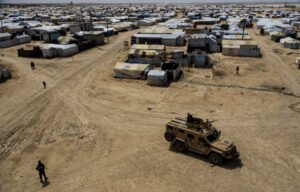
Dr Firas Elias conducted a particularly in-depth investigation into the presence of Yemen’s Houthis in Iraq, focusing notably on their presence and activities, networks, modes of operation, missions, as well as their training arrangements and military cooperation mechanisms. Originally written in Arabic, this article provides a synthesis of this unique investigation, based largely on first-hand information gathered in the field. It thus offers unprecedented insight into how the Houthi presence in Iraq has been structured and how it has evolved.
Read More

CATEGORIES

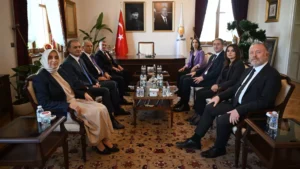
Turkey: Towards the Resumption of a Peace Process with the Kurds?

January 10, 2025

EISMENA Staff

In this article, Jean Marcou examines the potential resumption of efforts to address the Kurdish question in Turkey, characterised by symbolic gestures and political initiatives. He analyses the historical context and recent developments, including the meeting with Abdullah Öcalan, while underscoring the domestic and international stakes for the Turkish government.

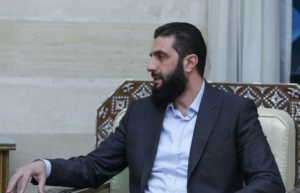
The Road to Damascus: Al-Jolani’s Transformation and Syria’s Next Chapter

January 3, 2025

Sardar Aziz

In this article, Sardar Aziz examines the evolution of Ahmed al-Sharaa from a Salafist-jihadist leader into a more politically oriented actor seeking international legitimacy.

Muqtada al-Sadr’s Political Comeback: What Cards Does He Have Yet to Play?

July 3, 2024

EISMENA

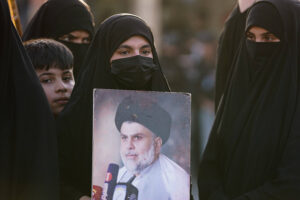
In this article, Juliette Garret and Léa Philipperon analyse the latest events in Iraq, considering the possible return of Muqtada al-Sadr, the Shiite leader who triumphed in the 2021 legislative elections, to the political scene ahead of the 2025 elections.

MOST VIEWED

Syria: The Disarmament of the Kurds, or the End of Rojava Era 

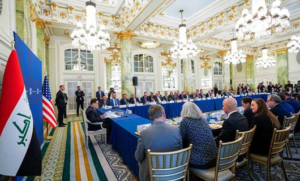
This article examines the content of the compromise reached between Damascus and the Syrian Kurds, its implication for the regional balance – Turkey, the United-States, Israel, and the peace process with the PKK – and places it within the long-term context of the Kurdish question, comparing it to the far more institutionalised but as fragile trajectory of  Iraqi Kurdistan, whose structural vulnerability, despite thirty years of constitutional autonomy, has been highlighted by Adel Bakawan. Finally, this article considers what the end of the Rojava era might mean for the future of the Kurdish national movement as a whole. 

Read More