ANALYSIS

Read Our Latest Article

The Switzerland of the Middle East? Jordan’s Manufactured Stability and the Illusion of Reform

Alice Filiberto

The Switzerland of the Middle East? Jordan’s Manufactured Stability and the Illusion of Reform

Jordan is often called the “Switzerland of the Middle East”: a constitutional monarchy that has projected an image of moderation and reform while its neighbours have been consumed by civil war, regime collapse and insurgency. This article argues that this stability has not been earned through genuine political reform or democratic accountability, but manufactured through authoritarian control. What looks like a progressive state is, on closer examination, a carefully managed authoritarian order in which the appearance of reform functions as a technology of control. Two mechanisms sustain this manufactured stability. The first is the historic alliance between the Hashemite monarchy and Transjordan’s tribal structures, which transformed pre-existing tribal authority into an instrument of regime reproduction while relegating the Palestinian-origin majority to economic rather than political inclusion. The second is the regime’s management of political liberalisation, which Daniel Brumberg describes as “liberalised autocracy”: a durable equilibrium in which controlled openings serve to consolidate, rather than challenge, authoritarian rule.

Read More

ARTICLES

Iran and the U.S. : A Trumpian Negotiation

May 30, 2025

Sardar Aziz

In this article, Sardar Aziz examines the negotiations between Iran and the United States during the Trump era, highlighting the strategic ambiguity, nuclear-related dilemmas, and rising geopolitical tensions that make any outcome uncertain.

Saudi Arabia’s Position in Light of Geopolitical Transformations in the Middle East

May 28, 2025

Ihsan al-Shammari

In this article, Ihsan Al-Shammari analyses Saudi Arabia’s geopolitical rise in a changing Middle East. Driven by Vision 2030 and the strategy of Mohammed bin Salman, Saudi diplomacy adopts a proactive approach focused on partnerships, mediation, and openness.

From Palace to Forests: What Has Happened to Assad’s Army?

May 23, 2025

Hussam Hammoud

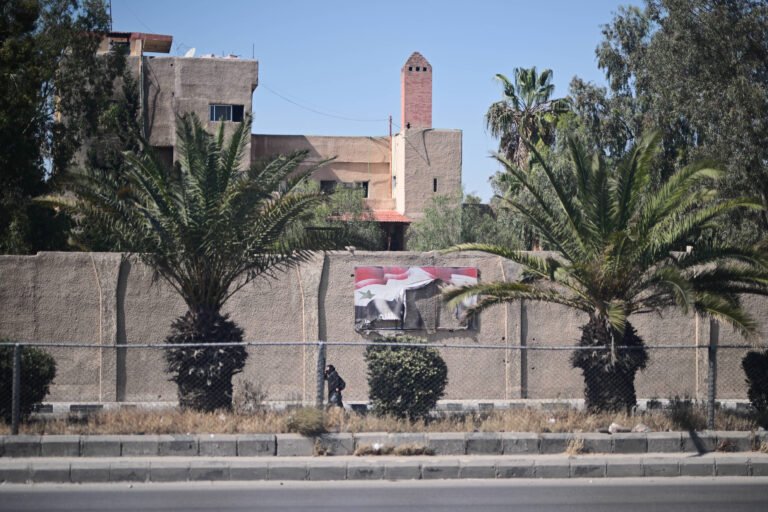
In December 2024, the fall of Bashar al-Assad’s regime marked a major shift in Syria. New authorities set up reconciliation centers for former security personnel; while some complied, others joined armed groups. The reappointment of former regime figures has also sparked criticism from parts of civil society.

In the wake of the announcement of the dissolution of the Kurdistan Workers’ Party, what does the future hold for the “Kurdish question” in the Middle East?

May 21, 2025

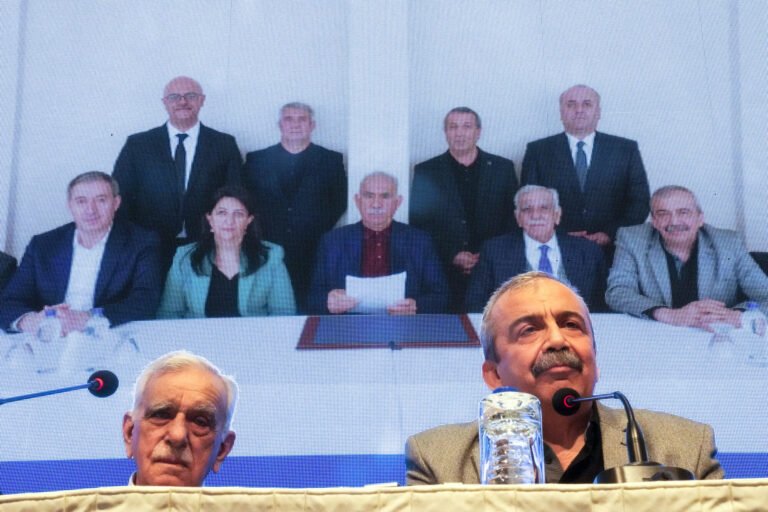
The 12th Congress of the Kurdistan Workers Party (PKK) formalised the dissolution of the armed group that has been at war with the Turkish state since 1984. This Congress is part of the timeline of a negotiation process between the Turkish state and Abdullah Öcalan, with the involvement of the pro-Kurdish DEM party, which specifically aimed at the dissolution of the PKK. On February 25, 2025, the PKK’s founder issued a “Call for Peace and Democratic Society” to demand the group’s dissolution. The consequences of this dissolution will be significant — both on the Turkish political scene, on the transnational Kurdish movement, and on certain regional geopolitical balances.