ANALYSIS

Read Our Latest Article

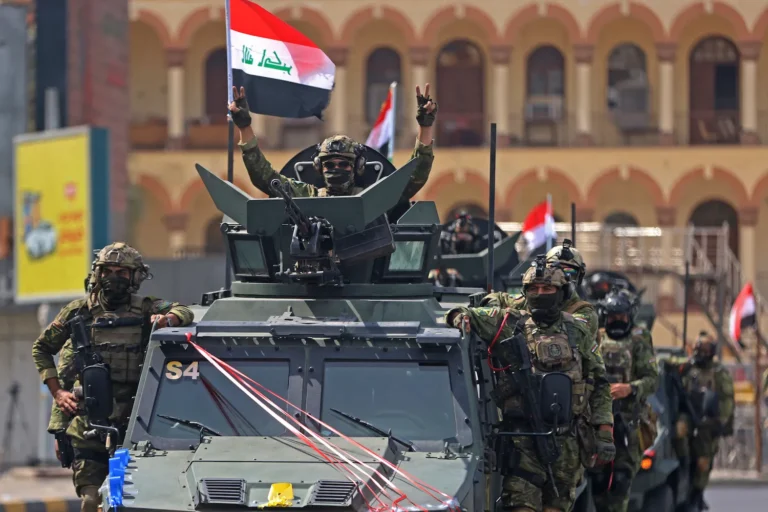
The Switzerland of the Middle East? Jordan’s Manufactured Stability and the Illusion of Reform

Alice Filiberto

The Switzerland of the Middle East? Jordan’s Manufactured Stability and the Illusion of Reform

Jordan is often called the “Switzerland of the Middle East”: a constitutional monarchy that has projected an image of moderation and reform while its neighbours have been consumed by civil war, regime collapse and insurgency. This article argues that this stability has not been earned through genuine political reform or democratic accountability, but manufactured through authoritarian control. What looks like a progressive state is, on closer examination, a carefully managed authoritarian order in which the appearance of reform functions as a technology of control. Two mechanisms sustain this manufactured stability. The first is the historic alliance between the Hashemite monarchy and Transjordan’s tribal structures, which transformed pre-existing tribal authority into an instrument of regime reproduction while relegating the Palestinian-origin majority to economic rather than political inclusion. The second is the regime’s management of political liberalisation, which Daniel Brumberg describes as “liberalised autocracy”: a durable equilibrium in which controlled openings serve to consolidate, rather than challenge, authoritarian rule.
Read More

ARTICLES

Who is defending the Gulf region? Military integration and national sovereignty in the US-Israeli-Iranian war of 2026

October 1, 2026

Tewfik Hamel

On 28 February 2026, the United States and Israel launched a joint military campaign against Iran, whose subsequent strikes targeted all GCC states. While US commanders considered the regional air and missile defence network validated in combat, the GCC continued to call for greater military integration and completion of its joint ballistic missile alert system. This apparent gap reflects the architecture’s hybrid nature: national capabilities coexist with GCC mechanisms, bilateral agreements and US functions. Although information-sharing and operational coordination have improved, authority over forces and resources remains largely national. The system enhances immediate protection but creates dependencies on shared alerts, data, command, interceptors and maintenance. Its resilience therefore depends on sustaining these functions under prolonged, high-intensity consumption.

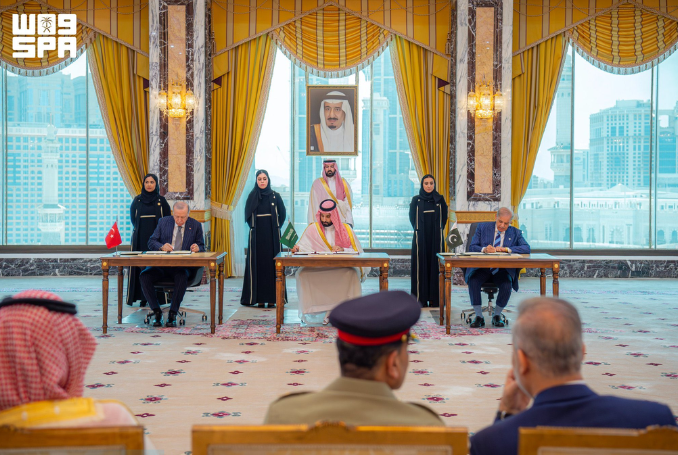
The Makkah Agreement for Joint Defence: Why Now, Why these Three, and What It Means for Pakistan?

September 28, 2026

Tehseen Fatima Syed, Aamira Bibi

Tehseen Fatima Syed and Aamira Bibi are Pakistani researchers whose respective areas of expertise focus on violent extremism, Pakistan’s national security policy and strategic competition, as well as Middle Eastern geopolitics and regional security. Their complementary expertise is reflected throughout this article, allowing them to assess the significance of Islamabad’s emerging security alignment with Ankara and Riyadh from both a Pakistani and regional perspective. Building on this understanding, the authors examine the broader implications of these trilateral accords, exploring the potential benefits for each of the three states, while also addressing a key question: why is this strategic alignment emerging now, rather than earlier?

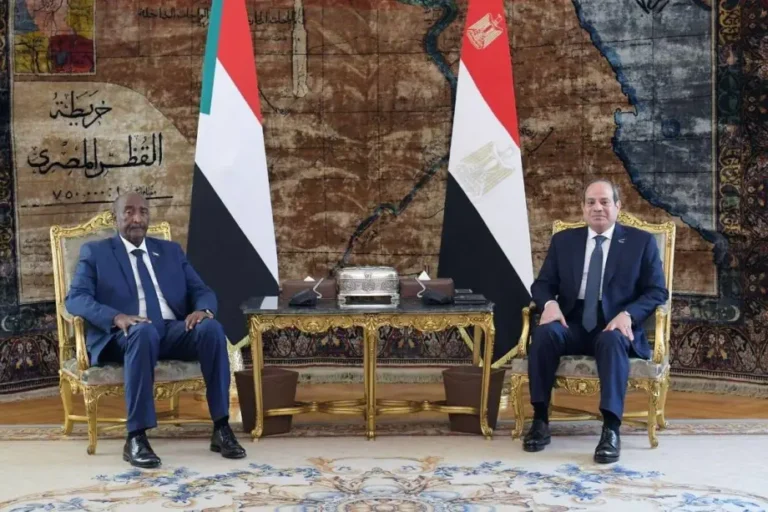
Coercive Stabilisation and Sovereignty under Constraint: Egypt’s Strategy towards the War in Sudan

September 24, 2026

Yassine El Yattioui

Since April 2023, the war between the SAF and RSF has exposed a deep crisis of the Sudanese state, marked by fragmented sovereignty and the increasing regionalisation of the conflict. In response, Egypt has supported the SAF to protect its security, hydropolitical, and regional interests. This strategy nevertheless creates a paradox: by relying on the military to stabilise Sudan, Cairo risks reinforcing the militarisation dynamics that have contributed to the weakening of the state. The article therefore examines the tension between coercive stabilisation and the sustainable reconstruction of Sudanese sovereignty.

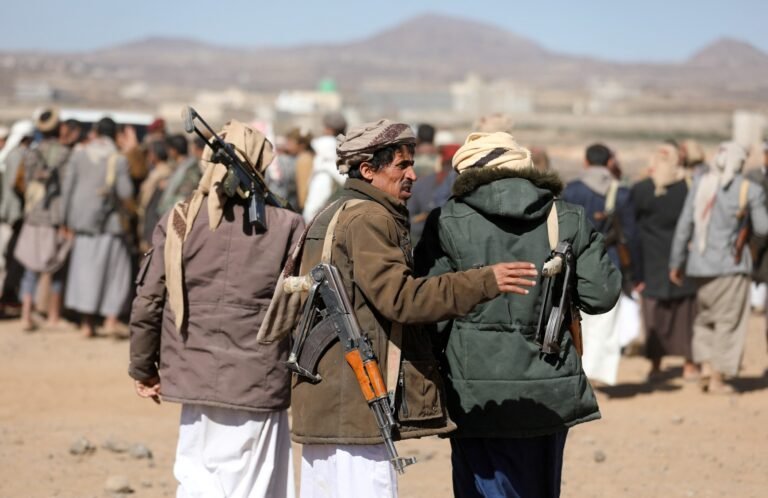
The Houthi Presence in Iraq: From a Support Network to Operational Depth

September 22, 2026

Firas Elias

Dr Firas Elias conducted a particularly in-depth investigation into the presence of Yemen’s Houthis in Iraq, focusing notably on their presence and activities, networks, modes of operation, missions, as well as their training arrangements and military cooperation mechanisms. Originally written in Arabic, this article provides a synthesis of this unique investigation, based largely on first-hand information gathered in the field. It thus offers unprecedented insight into how the Houthi presence in Iraq has been structured and how it has evolved.