ANALYSIS

Read Our Latest Article

Rewarded Either Way: Morocco, the EU and the Paradox of Border Externalisation after Ceuta

Amelia Aguirrezabal Ortega

Rewarded Either Way: Morocco, the EU and the Paradox of Border Externalisation after Ceuta

The July 2026 Ceuta crisis, during which an estimated 72,000 people crossed the border from Morocco, exposed a paradox in the EU’s externalisation of migration management. Relying on transit states to limit crossings also gives those states bargaining power. This article examines EU–Morocco cooperation and competing explanations for the crisis, from structural pressures and failures of anticipation to the possible instrumentalisation of migration flows. Both interpretations point to the same vulnerability: the EU’s dependence on Moroccan cooperation. The article situates Ceuta within a broader policy model by examining the European response and comparing Morocco with Tunisia. It concludes that externalisation does not guarantee containment and that the pursuit of greater control may deepen the EU’s reliance on transit states.
Read More

ARTICLES

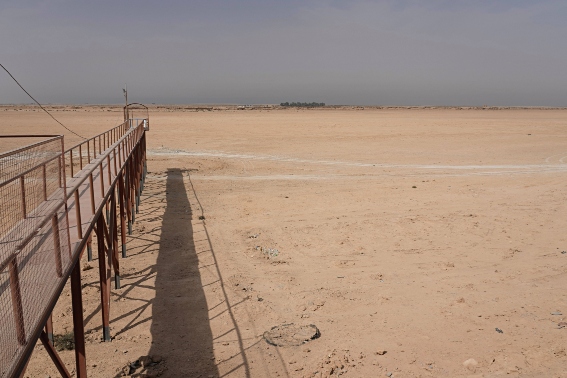
Climate change: a catastrophe in the making

February 9, 2024

Adel Bakawan

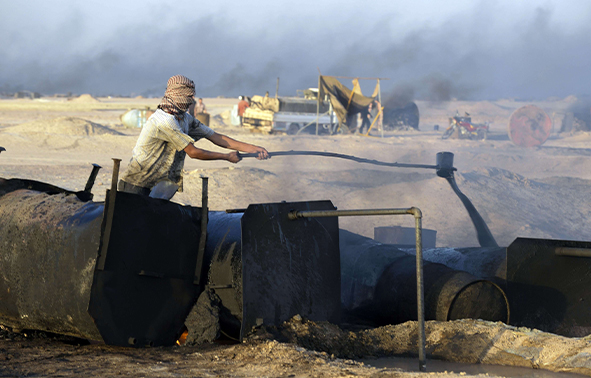
Adel Bakawan delves into the disastrous consequences of global warming in Iraq, shedding light on the scarcity of emerging solutions to effectively ready the population for this imminent crisis.

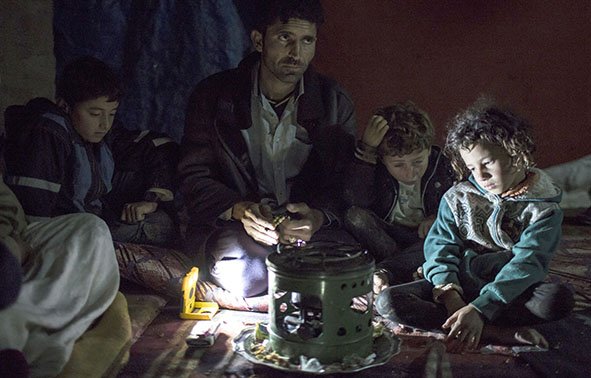
Dr Nagham Hasan: “The Yazidi genocide in Iraq did not stop in 2014, it is still ongoing”

October 13, 2023

Nagham Hassan

Dr Nagham Hasan, a Yazidi gynecologist who helped victims of ISIS, explains the difficulties encountered by the survivors and how the Yazidis are still subjected to violence in Iraq.

National ambition, divergent vision: Consensus and fracture among Iraqi youth activists of the Tishreen Movement

April 29, 2022

Adel Bakawan, Sarah-Anne Rennick

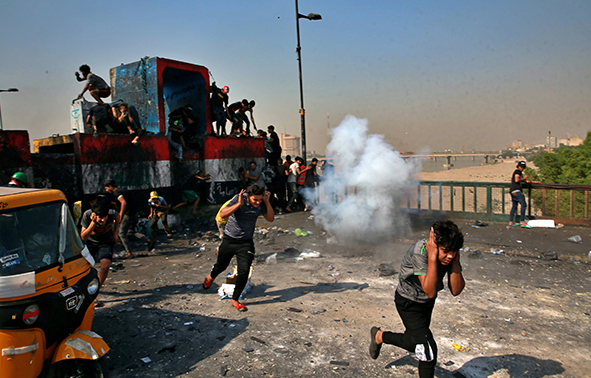
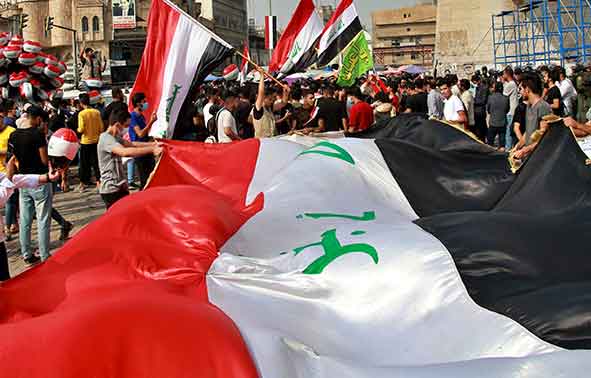
Since October 2019, Iraq has experienced a youth-led mass protest movement, known as the Tishreen protests. Initially driven by economic grievances and poor public services, it evolved into a broader political uprising demanding systemic change. Centered around the slogan “we want a homeland,” the movement promotes a new, unified Iraqi identity beyond sectarian divisions and calls for a redefined relationship between the state and society.

Iraq, a nationless state

November 4, 2021

Adel Bakawan

The Iraqi national elections took place on the 10th of October 2021. Iraqis will now have to choose a Kurdish president of the republic, a Shia prime minister and a Sunni president of the National Assembly.